South Africa vs Australia 1st ODI Live Streaming: Where and How to Watch
This article was drafted with Citeya, an AI writing tool, from published reports and is published under Kishan Prajapat's name. See our editorial standards or report an error.
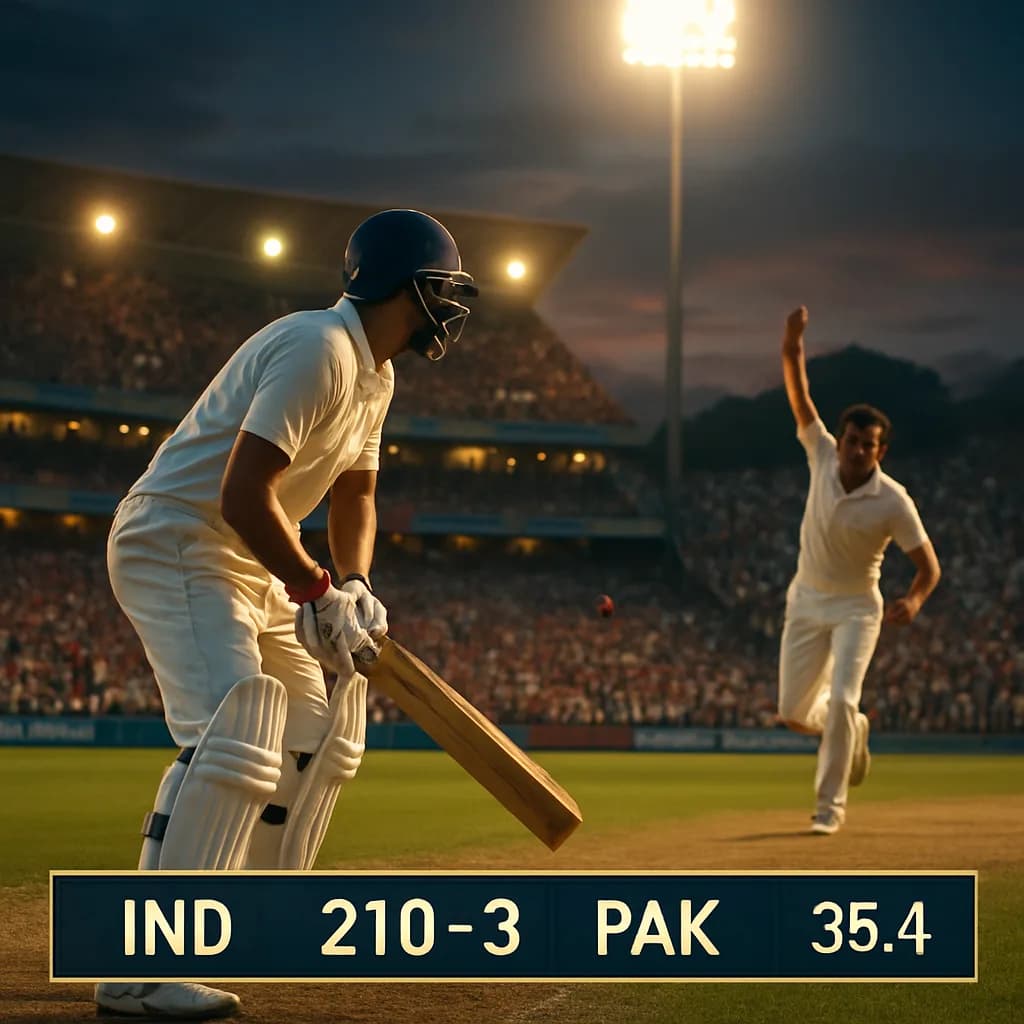
Representative image for illustration
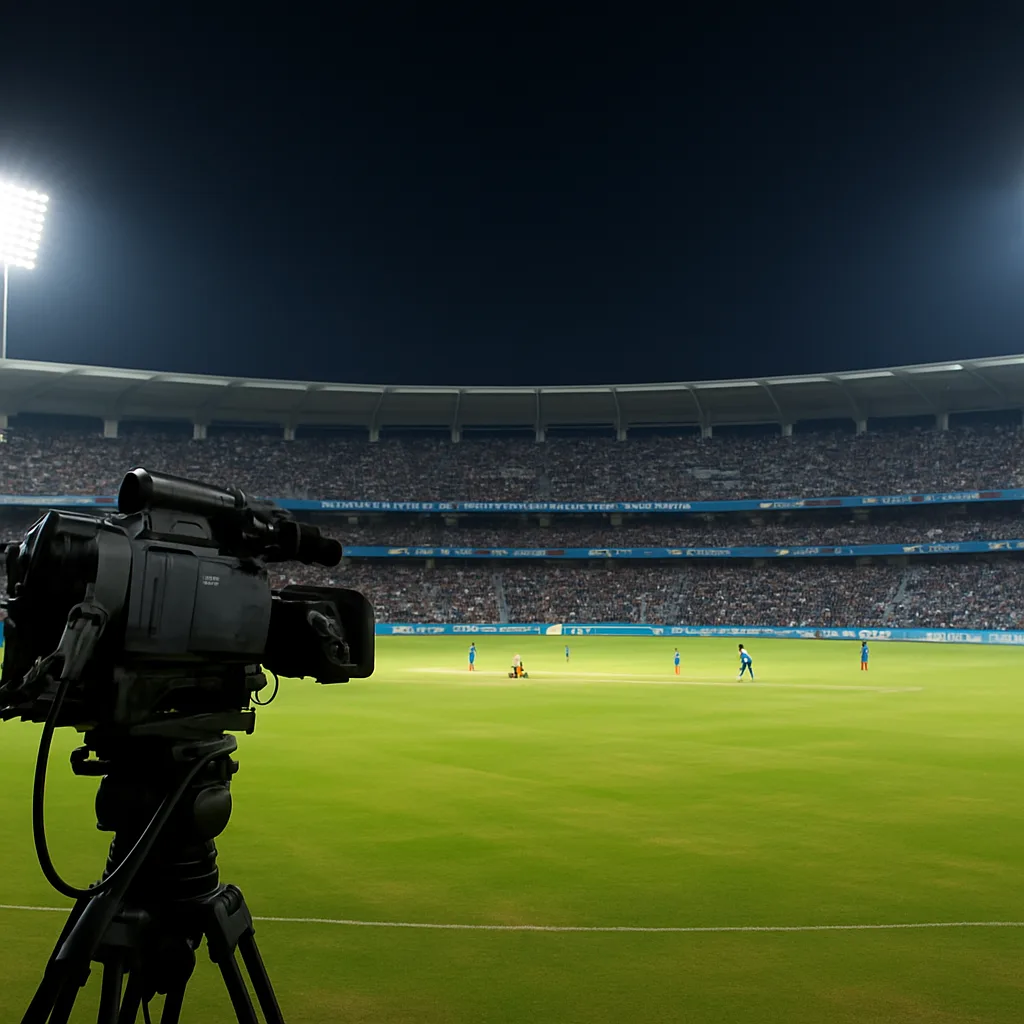
Packed stadium, first ball of a five-match series, and millions glued to their screens, this South Africa vs Australia 1st ODI is the one everyone's buzzing about.
TL;DR: Quick take: track down the official broadcaster for your country, use their app or site, double-check kickoff in your timezone, and aim for a steady 5 Mbps if you want decent HD.
The opening paragraph drops a fact most fans already feel: live sports still drive subscriptions and tune-in. The truth is broadcasters often split rights by territory, so where you live determines how you watch. Here's the thing, that split affects pricing, platform, and whether you'll need a VPN.
Broadcast Rights And Official Stream Options For The 1st ODI
Because rights are sold by territory, the simplest, and safest, move is to watch through the local rights holder. Experts at major sports rights houses say that live international fixtures are sold to national broadcasters and OTT platforms months in advance, which means the match will usually appear on a national sports channel and that channel's streaming app. Available local options typically include pay-TV channels, national free-to-air partners, or subscription streaming platforms that run sports packages.
Too many casual viewers just hunt social media for a free link instead of checking who actually holds the rights. That may work briefly, but it risks low-quality streams and takedowns. Officials also warn about malware and illegal streams during big matches.
A one-line check: look first at your national sports broadcaster's website.
How To Set Up Your Device For The Live Stream
If you want the fastest setup, grab the broadcaster's app on your phone or tablet first. Download, sign in with your subscription or TV provider credentials, and test the stream 30 minutes before kickoff. If watching on a smart TV, use the app store in the TV menu and sign in the same way. Wired Ethernet usually beats Wi-Fi in reliability, especially for HD.
For picture quality, aim for a minimum of 5 Mbps for 720p and 10 Mbps for 1080p. If commentary language matters, check audio track settings in the app; many international streams include alternative commentary feeds. The evidence suggests buffering drops dramatically when connection speed falls below these thresholds, so run a quick speed test if the stream stutters.
One more tip: keep the app and device OS updated. Old versions sometimes fail DRM checks, so update before matchday.
Geo-Restrictions, VPNs, And Legal Alternatives
Geo-blocking is common. Rights deals mean a stream that works in one country will refuse login in another. Fans often ask, can a VPN fix this? Yes, a VPN can mask your location, but usage may violate the broadcaster's terms of service and can break secure payment checks. Officials at several broadcasters have enforced blocks on VPN traffic during major events.
A VPN will often do the trick, but it's a trade-off, you might get the stream, sure, but you could also be breaking terms and risking payment or DRM problems. To be fair, a VPN still works for many viewers, but it's a trade-off between convenience and compliance. The safer path is to subscribe to a legitimate international streaming service that has purchased rights for expat audiences. Some platforms sell international packages specifically for overseas fans. Why risk an unstable, possibly illegal feed when options exist that won't vanish mid-game?
Short and blunt: try the legal route first.
What To Expect From The Match Coverage And Commentary
Expect standard ODI coverage: pre-match build-up, toss analysis, in-play graphics for wagon wheels and wagon-tracks, and post-overs analysis. Production teams will often add on-field mic sound and mic'd interviews during drinks breaks. Commentary teams usually include a mix of former players and professional commentators, offering tactical insight and ball-by-ball detail.
Expect also dynamic graphics for scores, run rates, partnership breakdowns, and required run rates in the chase scenario. If available, the broadcaster may offer advanced stats like wagon wheels per over and expected runs added. The viewing experience differs by provider; some apps let you toggle data overlays and pitch maps.
The match result and player stats will matter to series standings and world rankings. Fans tracking career numbers should check the official match report after the game for final runs and wickets, which become part of official records.
Honestly, I think production value can change the whole feel of a midweek ODI, good graphics and clean commentary make even a slow chase enjoyable.
Practical Example: A Watching Scenario For Fans In Europe
A South Africa fan in Berlin wants to watch South Africa vs Australia 1st ODI Live Streaming: but the domestic broadcaster in Germany does not carry the match. The fan checks a broadcaster in the UK that does have rights and sees a subscription option for international audiences. She subscribes, downloads the app on her smart TV, connects via wired Ethernet for stable bandwidth, and sets the audio to the South African commentary feed where available. Kickoff is 2 AM local time, so she also sets a DVR-style recording through the app to rewatch key moments.
That plan balances legality, quality, and convenience. It's also a practical benchmark for other fans: pick a rights holder that sells international access, and use a wired connection.
Common Misconception: Free Streams Are Equivalent To Official Broadcasts
The misconception many fans hold is that a free stream found on social media will match the official feed in quality and reliability. In reality, that's usually not true. Illegal streams often lag, show pixelation during high-action balls, and are pulled by takedown notices, sometimes leaving viewers mid-match. Officials have also pointed to cybersecurity risks tied to unofficial streaming sites. So, it's not just about legality, it's about the viewing experience and safety.
One sentence answer: avoid unknown free links.
Frequently Asked Questions
Q: Where can I find the official live stream for this ODI? A: Check your national sports broadcaster first, then regional OTT platforms that buy cricket rights. If you can't find it there, look for international packages sold by major broadcasters in the nearest rights territory.
Q: What internet speed do I need for a smooth HD stream? A: Aim for at least 5 Mbps for 720p and 10 Mbps for 1080p. A wired Ethernet connection reduces buffering risk compared with Wi-Fi.
Q: Can I use a VPN to watch if the match is not available in my country? A: A VPN often works technically, but it may violate the broadcaster's terms and cause payment or DRM checks to fail. Consider buying access from a broadcaster that legally covers international audiences.
Final one-line.
South Africa vs Australia 1st ODI Live Streaming: fans should prioritize official streams, sign in early, and set a short checklist: confirm rights holder, test the stream, ensure 5 to 10 Mbps, and pick the commentary feed they prefer. The practical takeaway: identify the official rights holder in your region tonight, create that account, and run a quick stream test 30 minutes before the toss so you're watching live when play starts.
Comments (0)
No comments yet. Be the first to share your thoughts!