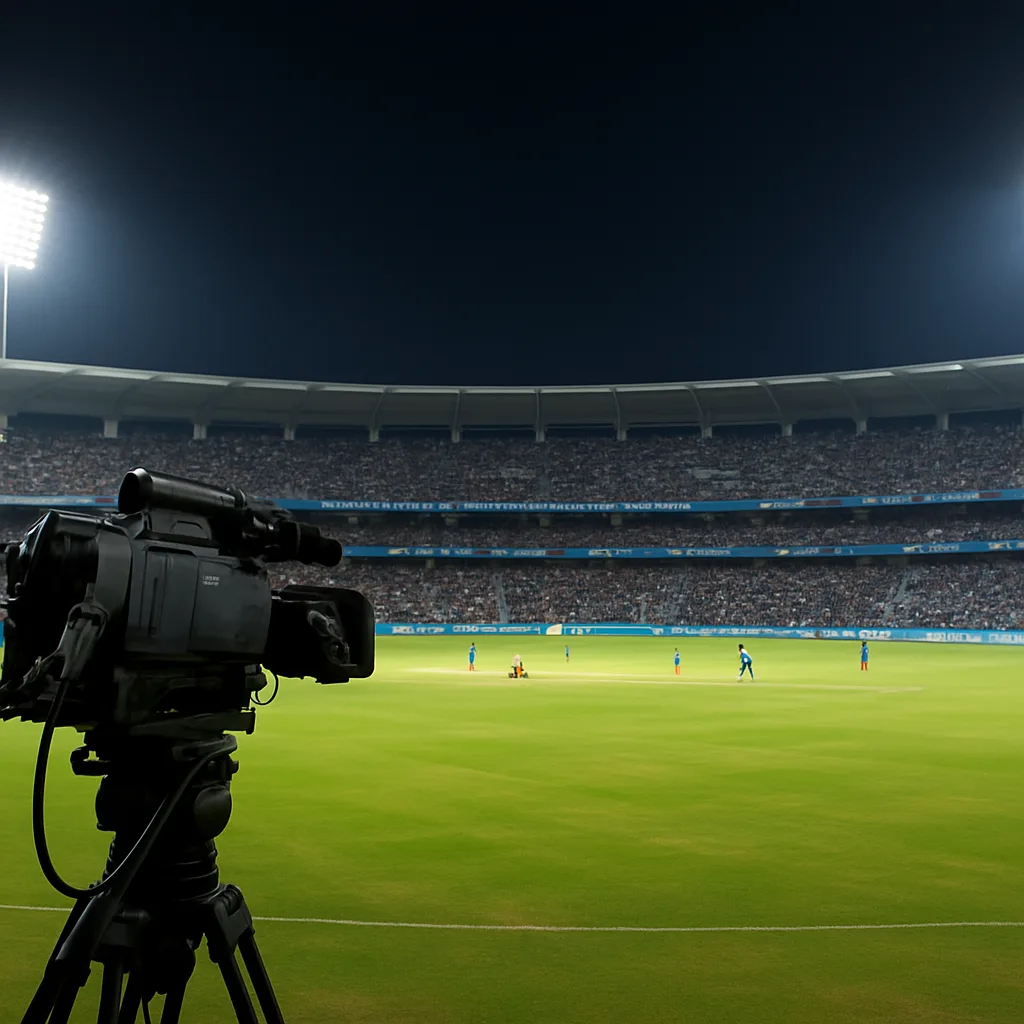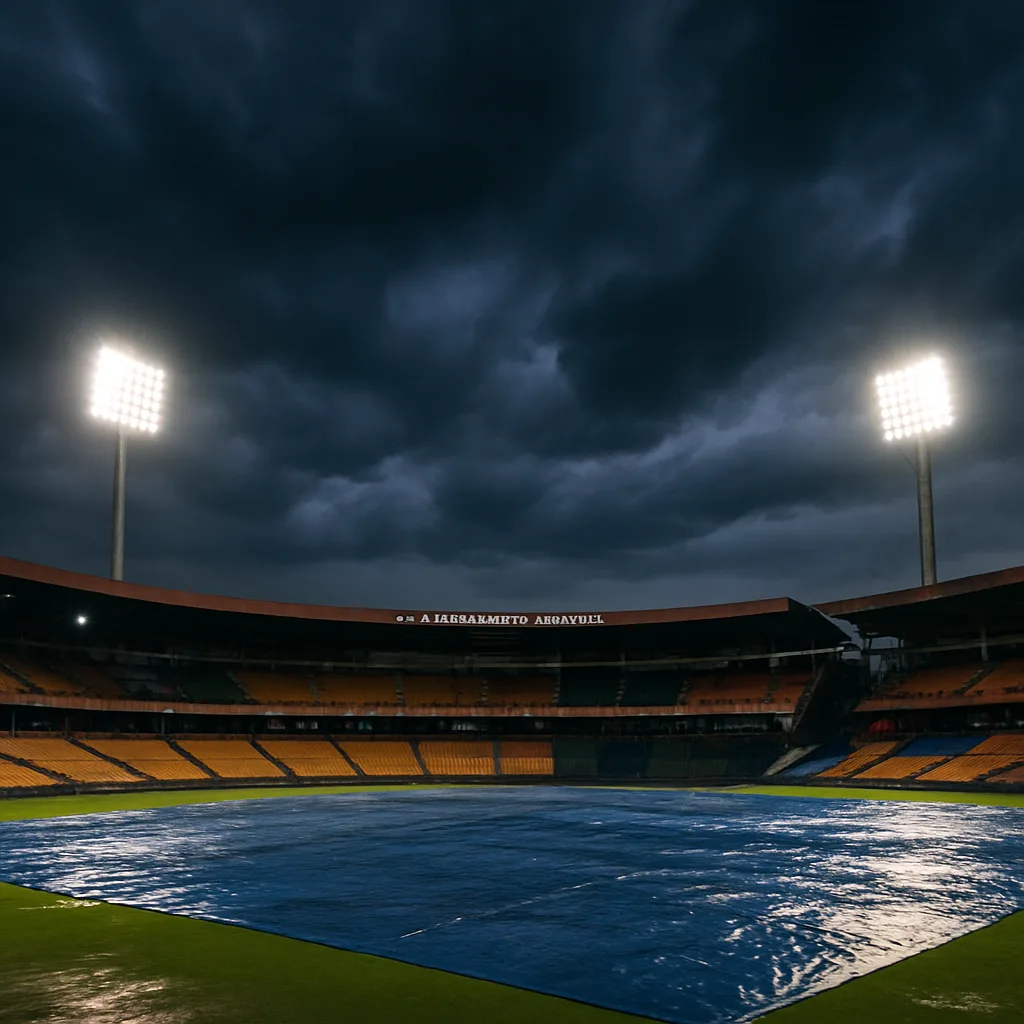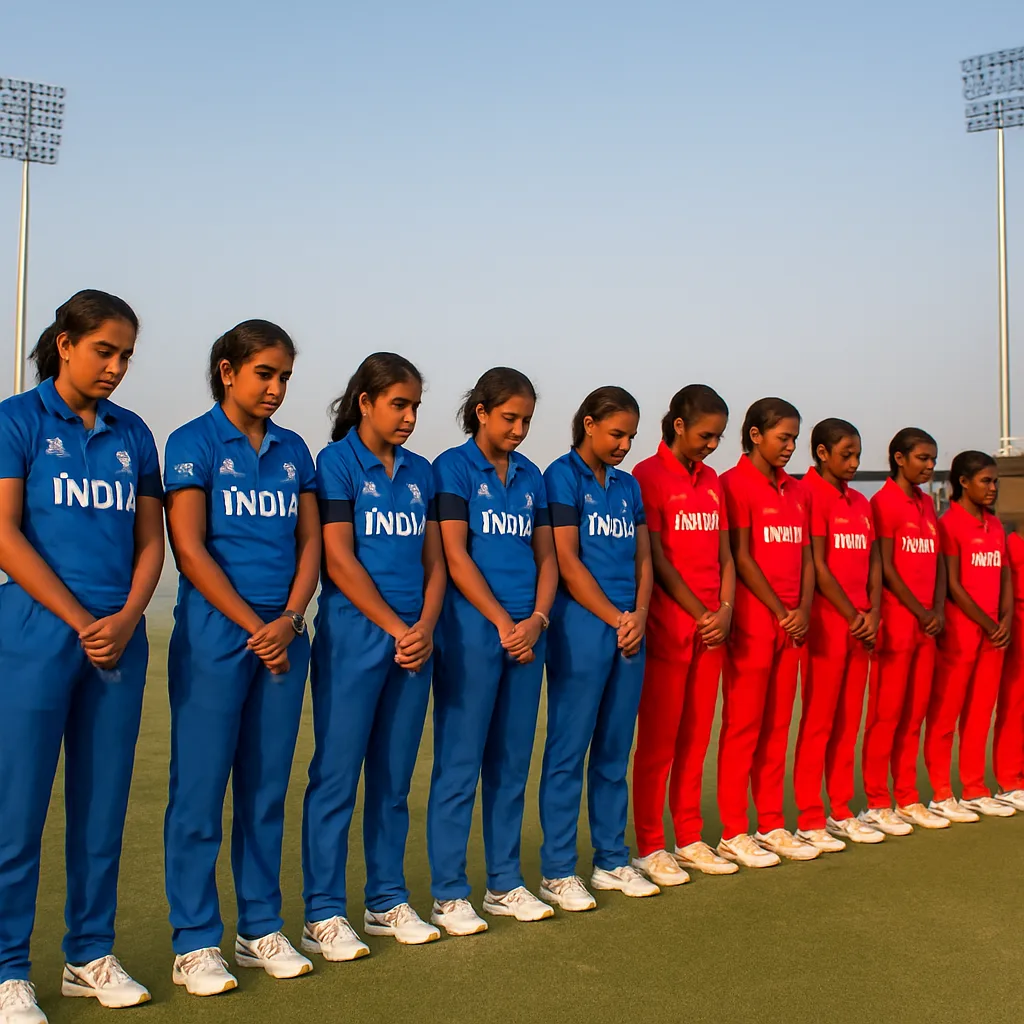
Tribhuvan University Ground Upgrades Underway for NPL
This article was drafted with Citeya, an AI writing tool, from published reports and is published under Kishan Prajapat's name. See our editorial standards or report an error.
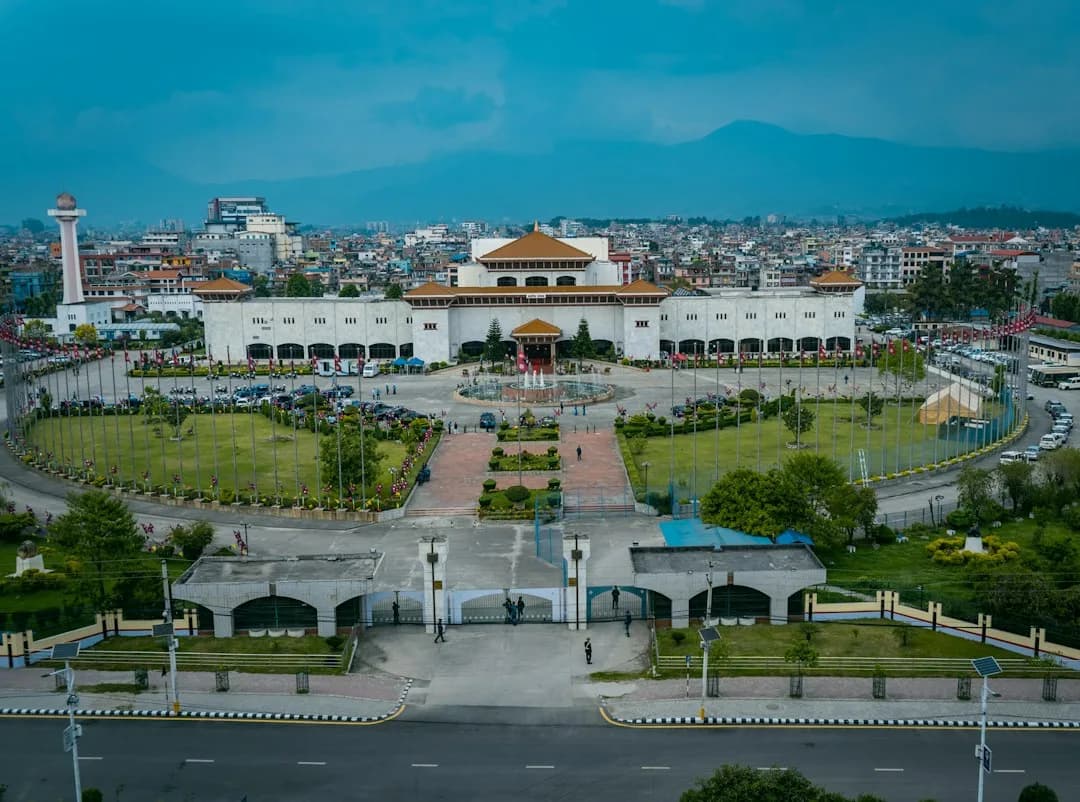
Representative image for illustration
Tribhuvan University cricket ground upgrades for Nepal Premier League underway, and the work is focused on readying the venue for the tournament's third edition while meeting international standards. TL;DR: Tribhuvan University International Cricket Ground in Kirtipur is being upgraded to improve spectator facilities, pitch and outfield management, and event operations ahead of the Nepal Premier League, and the tournament has received approval from the International Cricket Council which raises expectations for facility standards and match operations (Desh Sanchar; Ratopati; Desh Sanchar – ICC approval).
The question most readers ask is simple: will matches run on schedule and feel like a step up from prior NPL events? The short answer from organisers and local reports is yes, provided the remaining works finish on time and the venue satisfies the ICC-related expectations that come with the league's recent recognition. A practical point: if you plan to attend, expect changed seating and entry arrangements compared with previous editions and watch official NPL channels for final spectator guidance (Ratopati).
The scope of works: pitch, outfield and spectator facilities
Local reporting and stadium photographs show the upgrades are not cosmetic alone; crews are resurfacing or reworking areas of the outfield, refurbishing spectator stands and improving access routes. The Ratopati coverage describes spectator facilities and capacity being enhanced for the third edition of the Nepal Premier League, which signals planned changes to where and how fans will sit and move inside the ground (Ratopati).
A concrete example: the report includes images and notes of temporary seating and fresh plastering of existing stands to increase usable space on match days. That kind of intervention usually means organisers expect higher turnouts than before and need to manage sightlines, ingress and egress, and sanitary facilities. The trade-off is temporary disruption during the final construction phase; organisers must finish civil work and then allow a short settling period before heavy footfall is allowed, or risk damage to fresh surfaces and to pitch edges that are often vulnerable at the border of playing areas and stands (Desh Sanchar).
Approvals, organisers and the role of the ICC
The Nepal Premier League has received official approval from the International Cricket Council, a development reported by local outlets and described as elevating the tournament's international status (Desh Sanchar – ICC approval). That approval matters because ICC recognition brings expectations about match conduct, pitch preparation, anti-corruption protocols and broadcast readiness. The ICC sets match and event standards that organisers must meet if the competition is to be considered on the international calendar; the approval therefore puts pressure on venue operators to meet or show progress toward those standards.
Tribhuvan University administration and NPL organisers are the named domestic parties driving the upgrades, according to reporting that cites university and league sources. Those partners must coordinate with local authorities for crowd management and with whatever third-party contractors handle pitch preparation and stand refurbishment. A caveat: ICC approval raises standards but does not mean every local facility will be immediately compliant; organisers typically move through a documented checklist and staged inspections before final sign-off, and the timeline for those inspections can change if works slip (Desh Sanchar – ICC approval).
Timeline, capacity and what changed from previous editions
Reports identify this as activity ahead of the third edition of the Nepal Premier League, so the upgrades are explicitly tied to the upcoming season rather than to a long-term redevelopment plan (Ratopati). Photographs accompanying the coverage show work in progress, suggesting organisers are in a final push. If the work follows a common event-driven schedule, the last-ditch items are typically stands, temporary fencing, broadcast gantries and the pitch's final rolling and mowing.
A practical watchpoint for fans: seating arrangements and capacity will not necessarily match permanent stadiums; reports talk about enhancing capacity but do not claim a fixed new number, which means some seating gains may be from temporary stands or reconfigured spaces rather than new permanent construction (Ratopati). Compare that with the previous editions where seating was limited in certain blocks and access bottlenecks occurred at peak entry times. If you attend a match, say a fixture involving the Nepal national side in an international competition such as the ICC World Cup League-2, expect different ticketing zones and earlier gate openings to relieve queues; local reporting has urged fans to follow official channels for seating maps and entry times (Desh Sanchar – Nepal faces Canada).
Operational trade-offs and safety steps organisers must take
Upgrading a live venue carries trade-offs: finishing works late risks cancelled or moved fixtures; finishing too early risks inadequate curing times for concrete or turf. Organisers cited in local coverage are balancing that by staging works so the visible finish is ready before full spectator ingress, while leaving non-critical finishings to post-opening windows (Desh Sanchar).
For safety and compliance, event teams typically secure local approvals and then invite technical inspections. Given ICC involvement with the NPL, the checklist will include pitch profiles, drainage, boundary safety, medical and evacuation plans, and broadcast power and connectivity. A concrete step for the Tribhuvan project is to complete spectator route markings and emergency exits and then submit those to the local authority for final sign-off, the reports show work on access routes and stands consistent with that approach (Ratopati).
A final caveat: while ICC approval of the league raises expectations for venue-level compliance, local reporting makes clear the upgrade is focused on getting the ground ready for the league and not on delivering a full stadium rebuild. That means some legacy limitations may remain after the work is finished, particularly around permanent capacity and advanced broadcast infrastructure. Fans, broadcasters and teams should expect incremental improvements rather than wholesale transformation (Desh Sanchar – ICC approval).
Takeaway: what to watch next and what you can do
Watch official NPL and Tribhuvan University channels for final seating maps, match-day entry times and any last-minute fixture moves, because those affect travel and ticket plans; local reporting has already advised fans to follow organiser updates (Ratopati). If you plan to attend, buy tickets early, arrive earlier than usual to avoid revised entry checks and carry any required ID the organiser requests. For journalists and broadcasters, confirm whether temporary broadcast gantries will be in place and what power or connectivity the venue will provide, because those are commonly constrained in event-driven upgrades.
Expect an improved match-day experience relative to past NPL editions, conditional on finishing works and final inspections tied to the ICC-associated requirements. The immediate watchpoints are final sign-off dates from organisers, published seating capacity for the third edition and any public safety notices from the university or local authorities.
Comments (0)
No comments yet. Be the first to share your thoughts!