Rain To Ruin India vs West Indies Series Decider? Bengaluru Weather Forecast Sparks Concern
This article was drafted with Citeya, an AI writing tool, from published reports and is published under Kishan Prajapat's name. See our editorial standards or report an error.
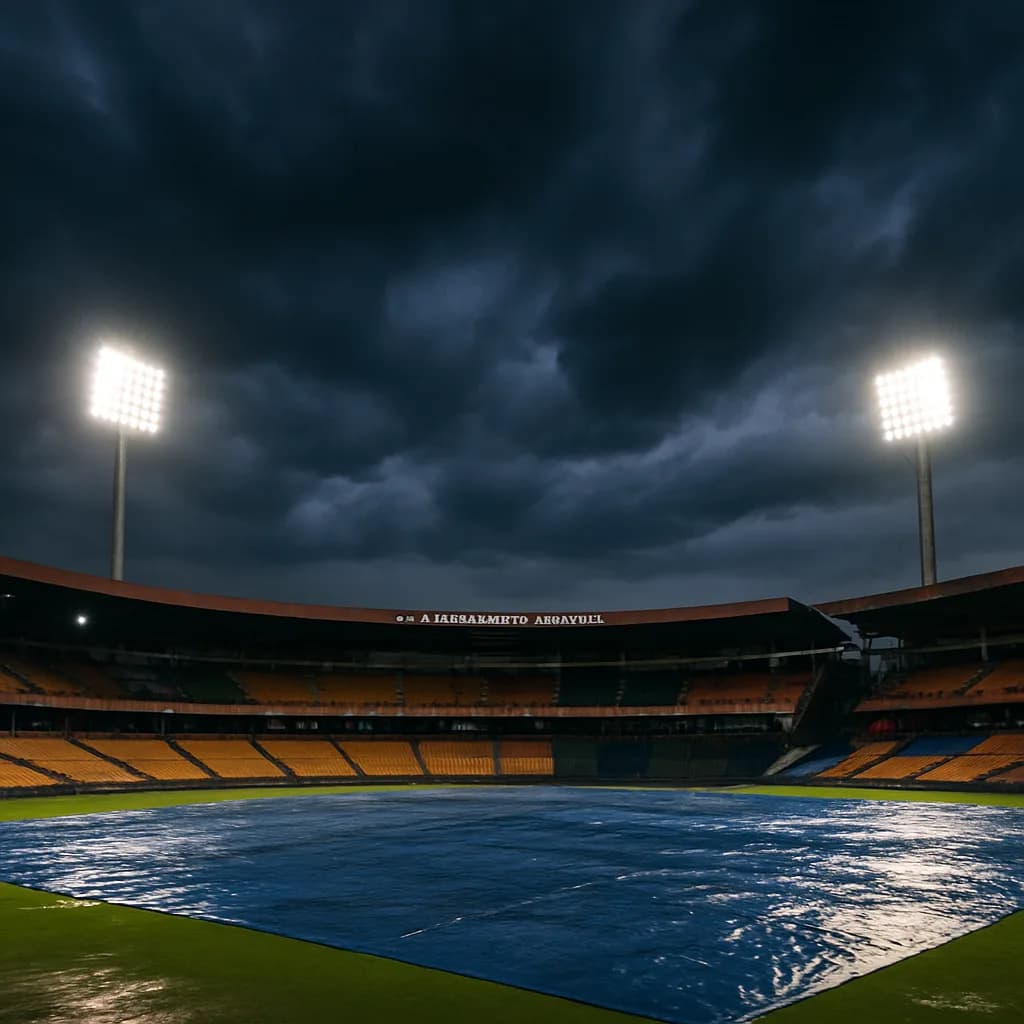
Representative image for illustration
Rain is a real risk for the India vs West Indies fifth T20I in Bengaluru and could affect the result or force a no-result, because the series is tied 2-2 and forecasts show unsettled weather for match day. The decider is scheduled for an evening start, and teams, broadcasters and fans need contingency plans if showers arrive.
"Rain To Ruin India vs West Indies Series Decider? Bengaluru Weather Forecast Sparks Concern" matters because a washed-out decider would leave the series shared and alter selection and broadcast outcomes. According to reporting, the series stands at two wins each, making the fifth match decisive for the trophy or points outcome rather than a routine fixture, and local weather could decide the result instead of cricket on the field (NDTV).
How weather risk puts a 2-2 series decider at stake
The cricketing fact that creates urgency is simple: both teams have won two matches each, so the fifth T20I will determine the series winner unless rain prevents a result (NDTV). A washed-out game would leave the series level and deny players the chance to settle form lines and selectors the late clarity they often want ahead of upcoming tours or tournaments. From a commercial angle, broadcasters and sponsors lose the climactic finish that drives viewership and advertising value.
There is precedent for high-stakes T20 matches being decided by weather. When an important fixture faces interruptions, match officials have to apply Playing Conditions such as revised overs or Duckworth-Lewis methods in longer formats; in T20s, a reduced-overs game or an outright no-result are the likely outcomes. If rain delays the 7 PM local start, umpires may wait for a wet-out window but still require a minimum number of overs per side to constitute a match, which could force a shortened game or no-decision depending on how quickly covers come off and the outfield dries (NDTV).
What the forecasts and match timing actually say
The fifth T20I is scheduled to start at 7 PM IST on match day, which places most play in the evening hours when Bangalore's post-monsoon or transitional showers can arrive, according to event coverage (IndiaTimes). Local forecasts cited by reporters showed potential for rain around that period, which is why organisers and fans are watching radar updates.
Evening starts reduce the margin for play if showers occur late afternoon. Sunlight and daytime heating help dry out wet fields faster, so a 7 PM start reduces the margin for play if showers occur late afternoon. Broadcasters also need to plan lighting hours, and ground staff must judge whether the pitch and outfield will be fit for a game that evening. For a match to produce a result in T20, match officials typically insist on a minimum number of overs (often five per side in some competitions when conditions allow), but that threshold still leaves games highly sensitive to any further interruptions. The India vs West Indies context raises the stakes because a tie in the series would be unsatisfying for a night billed as decisive (NDTV; IndiaTimes).
Practical consequences for players, selectors and the BCCI
Players face two immediate trade-offs if rain threatens: pick for an all-out attacking game if a shortened match is likely, or select balanced options that work across a full 20 overs. Teams often choose the former in do-or-die situations, backing power hitters and death-over specialists. That tactical shift can backfire if the game is washed out and those specialists never get a decisive role. The Board of Control for Cricket in India is the sport's governing body in the country, and while it does not control the weather, it oversees logistics like reserve days and ground readiness through venue operators and match referees (NDTV team profile mentions BCCI governance).
Selectors and coaches must also weigh player workloads and future scheduling. For example, a returning bowler whose comeback was planned for the decider could see that opportunity delayed; reports indicate Bhuvneshwar Kumar's return was a storyline for the fixture, and rain would limit that showcase (IndiaTimes). The trade-off is clear: chasing a trophy in one match versus managing preparations for the wider season.
What match officials and broadcasters can do on match day
Match referees and ground staff have a sequence of steps written into event protocols: monitor radar and forecasts, assess the outfield and pitch, and apply minimum-overs rules if play is possible. Broadcasters can delay scheduled programming, switch to analysis panels, or run highlights from the series until play resumes. A practical step organisers can take is to confirm a backup plan for overs reduction thresholds and communicate that to teams and viewers well before toss time, reducing confusion when weather interruptions occur.
Organisers must weigh waiting longer for covers and a possible full game against starting a reduced match early. Waiting longer for covers to come off can preserve the chance of a full game but risks a darkened outfield and player safety concerns. Reducing the game early preserves a contest but changes its character and can favour certain players. For fans and commercial partners, early and clear communication reduces frustration: announce the standing plan for minimum overs, expected wait windows, and ticket policies up front. Media reports that raised concern about the Bengaluru forecast underlined the need for that clarity (NDTV).
Fan guidance: tickets, travel and watch options
If you planned to attend the 7 PM start, check the venue's official channels for rain policies and possible entry changes. Many venues will allow re-entry windows or partial refunds only under specific weather-related clauses. If you commute, build in extra time; if you stay local, track live radar and broadcaster updates. Watching at home is the simplest fallback: broadcasters and streaming services will often continue coverage with analyst panels and backstories until play resumes, which keeps the event usable for viewers even when the field is wet (IndiaTimes and NDTV coverage referenced the evening start and coverage needs; NDTV).
Quick checklist for fans: confirm match-time alerts from the stadium, print or screenshot refund policies, follow the broadcaster's app for live updates, and plan a late-night contingency if you travel by ride-share when the match ends. If you are a fantasy player, have alternate picks ready in case the toss and overs reduce the roles of openers or death bowlers.
Takeaway: what you should do now
If you care about the series decider, track official stadium and broadcaster updates on match day, and treat the 7 PM start as weather-sensitive, arrive early if you must, but expect possible delays. Teams and the BCCI will face tactical trade-offs if the forecast holds, and a washed-out match will leave the series tied 2-2 rather than produce a champion (NDTV). For fans watching at home, prepare to switch between live play and extended studio coverage, and for fantasy players, set backups that work in shortened formats. That action will keep you ready whether cricket decides the decider or the weather does.
Comments (0)
No comments yet. Be the first to share your thoughts!