BCCI appoints former India pacer Parvinder Awana as junior chief selector
This article was drafted with Citeya, an AI writing tool, from published reports and is published under Kishan Prajapat's name. See our editorial standards or report an error.
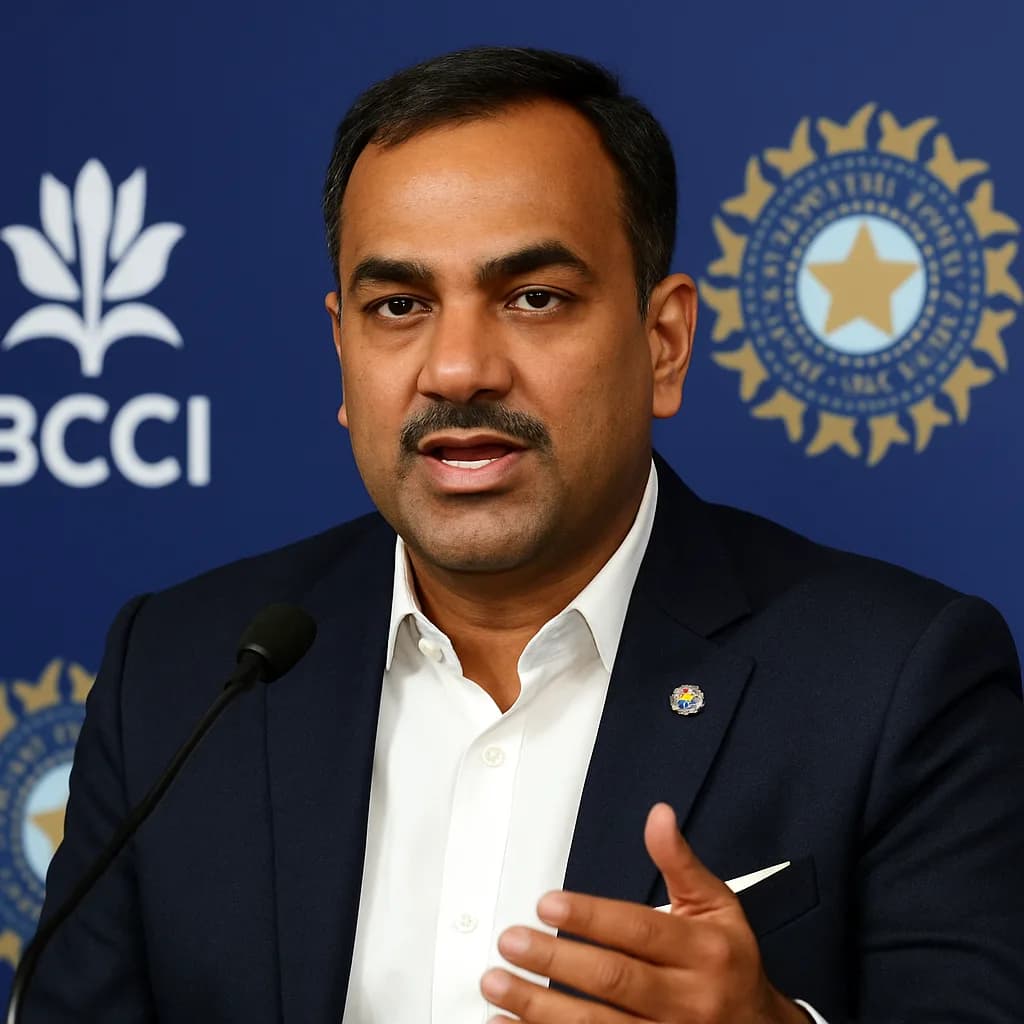
Representative image for illustration
Parvinder Awana has been appointed chair of the Board of Control for Cricket in India (BCCI) junior men's selection committee, replacing an ad hoc arrangement and taking charge ahead of the U-19 Asia Cup 2026. The BCCI named Awana on October 23, 2026, to head a new three-member junior panel that will pick India’s youth squads; the board said the move aims to focus talent identification for upcoming age-group tournaments and streamline pathways into senior cricket (Outlook India, News18).
The appointment meets an immediate operational need: with the U-19 Asia Cup 2026 approaching, the BCCI preferred a permanent, accountable panel over ad hoc selectors. The board has publicly linked the change to preparing age-group teams with a single-minded selection body (Business Standard).
Why the BCCI created a separate junior selection chair now
The BCCI’s timing reflects tournament pressure and a strategic pivot toward dedicated youth management. Appointing a full-time junior chair just weeks before the U-19 Asia Cup 2026 gives selectors a narrow window to finalise squads, fitness plans and contingency lists. According to the BCCI announcements covered by media outlets, the board described this as the creation of a "newly-formed BCCI junior selection committee," which suggests a deliberate institutional change rather than a one-off appointment (Business Standard, News9Live).
One example of calendar pressure is the loss of a key player to injury: Ayush Mhatre underwent a hamstring operation and is expected to be sidelined for around three months, forcing selectors to consider backups and fitness-based scenarios (Business Standard). That single injury illustrates why the BCCI wanted a stable, accountable selection group now rather than ad hoc choices spread among senior selectors.
Choosing a permanent chair concentrates responsibility and speeds decisions, but it also concentrates power, a trade-off the BCCI accepted to create consistent selection policy and clearer lines of accountability before the U-19 Asia Cup 2026 begins.
Who Parvinder Awana is and what he brings to the role
Parvinder Awana is a former India fast bowler who played at domestic and limited international levels and later turned to coaching and talent development, according to multiple media reports announcing his appointment (News18, LatestLY). The board’s choice signals preference for someone with recent, sport-specific experience rather than a non-cricket administrator.
Awana’s record as a domestic campaigner and his work with younger players were cited by outlets as relevant background; selectors in India commonly draw on people who have coached or scouted at under-19 and Ranji Trophy levels. That practical experience matters when selection hinges on reading raw pace, workload capacity and recovery patterns in teenagers, not simply on statistics.
This carries a trade-off. A former player like Awana understands pitch behaviour, bowling workloads and age-group development, which should help identify bowlers who can transition to senior cricket. But a selector with a mainly bowling background may be challenged to evaluate specialist batting problems or wicketkeeping nuances unless the panel offsets that gap with complementary members, which the BCCI has done by naming a multi-member junior committee (Free Press Journal).
Who else is on the junior panel, the timeline and immediate tasks
The BCCI appointed Awana alongside other members to form a small junior selection panel, though media reports differ slightly on names and roles. News18 reports that Awana was named chairman with three new members joining the committee, and Free Press Journal lists Krishna Das, Rakesh Patel and at least one other selector as part of the setup (News18, Free Press Journal).
Their immediate tasks will include finalising the squad for the U-19 Asia Cup 2026, creating standby lists, coordinating with state associations for fitness reports, and meeting BCCI performance benchmarks for age-group teams. Practical steps the committee must take in the coming weeks are: vet existing performance data, conduct a fitness and workload assessment for shortlisted players, and verify availability and injury status; the Ayush Mhatre surgery case makes the last item urgent (Business Standard).
Tournament scheduling creates a strict deadline. With the U-19 Asia Cup 2026 approaching, selectors have limited windows for trial matches and net sessions. That compresses evaluation time but makes live-game performance a higher-weighted input than in longer selection cycles.
How this appointment changes selection mechanics and the trade-offs involved
A single-headed junior panel centralises selection decisions that were sometimes fragmented across state associations and transient selectors. Centralisation improves consistency in selection criteria and communication to players, and it can speed up responses to fitness or eligibility issues. The countervailing risk is reduced local input; state coaches often see day-to-day development and this knowledge may be diluted unless the panel intentionally integrates state reports and scouts’ feedback (Business Standard).
The BCCI will need to balance objective metrics with subjective scouting. Objective data points will include match stats, fitness test results, and age verification. Subjective judgements will concern temperament, fielding agility and leadership, qualities that matter in youth internationals and are less visible in raw numbers. Match results and tournament standings from recent age-group competitions will be fed into the selection models; selectors must weight those outputs against projected development curves for each player.
A real-world example: if a promising teenager tops the runs charts in a state Under-19 tournament but has a borderline Yo-Yo fitness score, the panel must decide whether to prioritise current runs or long-term availability. The appointment of a chair with coaching and pace experience means bowlers’ workload histories may receive closer scrutiny than before. Fans should expect to see more transparent communication from the BCCI about these trade-offs because a named chair creates a single person to hold accountable for choices (Outlook India).
What to watch next and a practical takeaway for players, coaches and fans
Watch three things closely in the next 4–8 weeks: which players make the U-19 Asia Cup 2026 squad, how the panel handles injury replacements (Ayush Mhatre’s three-month recovery is a live test), and whether the BCCI publishes selection criteria or minutes showing the panel’s rationale. These are measurable signals of whether the new structure improves transparency and player development outcomes (Business Standard, Business Standard).
If you’re a player or coach aiming for selection, actionable steps are simple: document match performances with scorecards, maintain up-to-date fitness test results for verification, and liaise proactively with state association selectors so your availability and injury history are on record. For fans and talent spotters, track the panel’s first published squad and compare it against recent state and national age-group standings to judge whether selection choices reflect recent form or longer-term projection (News18).
The BCCI’s appointment of Parvinder Awana makes accountability explicit; now the committee must show that a dedicated chair speeds sensible decisions without excluding valuable local intelligence.
Comments (0)
No comments yet. Be the first to share your thoughts!