Key changes across formats with new ICC Playing Co
This article was drafted with Citeya, an AI writing tool, from published reports and is published under Kishan Prajapat's name. See our editorial standards or report an error.

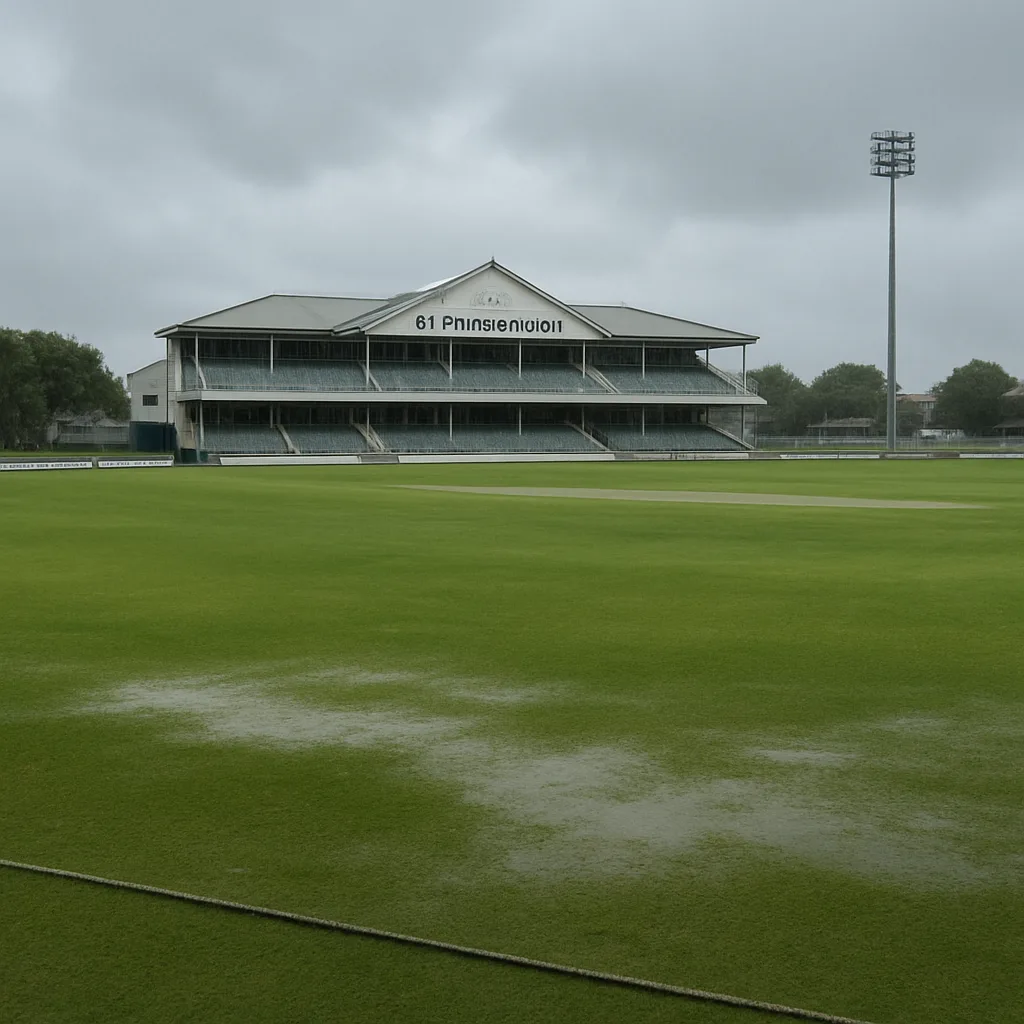
Representative image for illustration
The new ICC Playing Conditions take effect on October 1, 2024, and introduce several changes: permitted use of pink balls in day-time Tests, clearer time-wasting penalties for batters, revised ball and overthrow rules, and match-management adjustments that affect captains, batters and umpires. These are official changes with immediate effect for anyone who plays, coaches, or manages matches.
According to the ICC, the update lists multiple items that change match protocol across formats, including pink-ball use in day-time Tests and time-wasting penalties for batters https://www.icc-cricket.com/news/key-changes-across-formats-with-new-icc-playing-conditions. Local and national bodies and teams must apply the new wording from the effective date stated by competition organisers.
What changed: the headline items from the ICC update
The ICC's published playing-conditions summary highlights the following specific changes: the permitted use of pink balls in day-time Test matches; formal time-wasting penalties targeted at batters; clarified rules on overthrows and fielding that affect boundary decisions; and ball-specification wording that affects how match balls are managed during a game https://www.icc-cricket.com/news/key-changes-across-formats-with-new-icc-playing-conditions. A separate reporting of the ICC announcement also lists the same headline items and frames them as part of a single rules package https://www.cdcricket.co.nz/newsarticle/170816?newsfeedId=248306.
Telangana Today reported the effective date the ICC set for these revisions as October 1, 2024, and added that the revised Playing Conditions explicitly cover time-wasting, ball specifications, overthrows and fielding https://telanganatoday.com/icc-brings-in-new-playing-conditions-from-october-1. That date is a firm deadline for administrators to adopt the new text in international fixtures.
Why the ICC changed the rules, and what was given up to gain clarity
The ICC framed the updates as intended to tidy ambiguous areas and speed decision-making on the field. For example, time-wasting penalties for batters give umpires a clear tool to counter deliberate delay, which the ICC says undermines the contest when left to subjective judgement https://www.icc-cricket.com/news/key-changes-across-formats-with-new-icc-playing-conditions. That clarity helps umpires enforce consistent outcomes across countries and tournaments, but it also reduces the discretionary room captains and batters have to manage strategic delay during close matches.
Allowing pink-ball use in day-time Tests is a specific trade-off: it creates a standardized option for match organisers aiming for higher visibility in certain conditions, but it removes some home boards' flexibility to favour their preferred ball type when scheduling and preparing pitches https://www.icc-cricket.com/news/key-changes-across-formats-with-new-icc-playing-conditions. The changes to overthrows and fielding clarify scoring after accidental deflections, which reduces disputed boundaries but may change how fielders play through the ball near ropes.
How the new conditions play out across formats, a concrete scenario
Imagine a Test scheduled in Abu Dhabi where officials opt to use a pink ball under the new rules. Afghanistan were due to play a one-off Test in Abu Dhabi from October 9 to 13, 2024, a real fixture window reported in team announcements ahead of that period; teams and match officials there would have faced these revised Playing Conditions for that match if the ICC or host applied them https://www.thedailystar.net/sports/cricket/news/afghanistan-announce-all-format-squads-bangladesh-zimbabwe-series-4288006. Under the new time-wasting rule, an umpire could sanction a batter who repeatedly delays the over, affecting tactics late in a close Test session.
Before the revisions, a returning fielder might see a marginal overthrow given the benefit of doubt and on-field calls varied by venue. After the revisions, the wording in the Playing Conditions narrows what counts as an overthrow, and a scoring review is more likely to back the umpire's call because the rule text is tighter https://www.icc-cricket.com/news/key-changes-across-formats-with-new-icc-playing-conditions. That affects mid-innings decisions: captains must now consider lower tolerance for boundary-claim risk on misfields.
In short, the changes transfer discretion from informal practice into explicit text.
For example, a bowler who appeals for time-wasting late in a Test day now faces umpires with clearer grounds to penalise the batting side; that can swing tight contests and affect declarations and over rates. The rule change therefore affects in-play tactics and selection, teams might prefer quicker-running lower-order batters to avoid repeated warnings.
Wider tournament context and an important format statistic
These Playing Conditions arrive while the ICC is also changing tournament structures. For instance, the ICC has revealed a 12-team main group phase for the 2027 ODI World Cup format change, which alters how long teams will play under these rules during major events https://www.skysports.com/cricket/news/13563666/world-cup-odi-and-t20-cricket-format-changes-revealed-by-icc-including-12-team-main-group-for-2027. The BBC has also reported ICC consideration of semi-finals in the World Test Championship and potential new club T20 competitions, showing that playing rules and competition formats are changing together and will interact on scheduling and player workloads https://www.bbc.com/sport/cricket/articles/cewqe58vyk2o.
A visible player stat and the stakes for domestic preparation
Match and player statistics remain persuasive evidence that match conditions matter. For example, Bangladesh fast bowler Khaled Ahmed took his maiden five-wicket haul in county cricket while preparing for international duties, a performance that highlights how domestic match environments shape readiness for international rules and conditions https://www.thedailystar.net/sports/cricket/news/khaled-fills-hasans-shoes-maiden-county-fifer-4274041. Players building form under one set of local rules need to understand these ICC changes so their domestic performances translate to internationals.
What you should do next: a three-step action for teams and officials
First, read the ICC text and confirm the host competition's effective date. The ICC summary is the authoritative source for the changes https://www.icc-cricket.com/news/key-changes-across-formats-with-new-icc-playing-conditions, and local organisers should state whether and how they apply each item.
Second, rehearse match scenarios in nets and match simulations that reflect the changes. Practice under a pink ball if you expect the host to select it, and run scripted time-wasting infractions so batters and umpires learn the behavioural thresholds stated in the new wording https://www.cdcricket.co.nz/newsarticle/170816?newsfeedId=248306.
Third, update coaching notes and selection checklists. If overthrows and fielding rulings now reduce disputed boundaries, train fielders to play to the ropes exactly as the new condition requires, and assess finishers who can run quickly between the wickets under tighter time-wasting limits https://telanganatoday.com/icc-brings-in-new-playing-conditions-from-october-1.
Common follow-up questions addressed
What tournaments are immediately affected? The October 1 effective date applies to international fixtures and to tournaments whose organisers adopt the ICC text for their competition schedule; check each event's organiser notice for adoption details https://telanganatoday.com/icc-brings-in-new-playing-conditions-from-october-1. The 2027 World Cup format change to a 12-team main group means teams will play these conditions through a longer, more concentrated group stage https://www.skysports.com/cricket/news/13563666/world-cup-odi-and-t20-cricket-format-changes-revealed-by-icc-including-12-team-main-group-for-2027.
Do these rule changes alter player statistics retrospectively? No. Performance records before the change remain unchanged; the changes affect how future matches are played and adjudicated under the new text https://www.icc-cricket.com/news/key-changes-across-formats-with-new-icc-playing-conditions.
Practical takeaway you can act on today
Download and read the ICC Playing Conditions text and then run one short practice session that simulates a time-wasting penalty and a pink-ball net session if your next match might use a pink ball; that single session will prevent tactical surprises and ensure umpires, batters and the middle-order know the new enforcement thresholds https://www.icc-cricket.com/news/key-changes-across-formats-with-new-icc-playing-conditions.
seo: { "meta_title": "Key changes across formats with new ICC Playing Conditions, what players and teams must do", "meta_description": "Read the ICC's new Playing Conditions effective Oct 1, 2024: pink-ball Tests, time-wasting penalties, overthrow rules, and a three-step plan for teams." }
Comments (0)
No comments yet. Be the first to share your thoughts!