
Why Did Japan's Indian Origin Players Abhishek Ana Make Headlines
This article was drafted with Citeya, an AI writing tool, from published reports and is published under Kishan Prajapat's name. See our editorial standards or report an error.
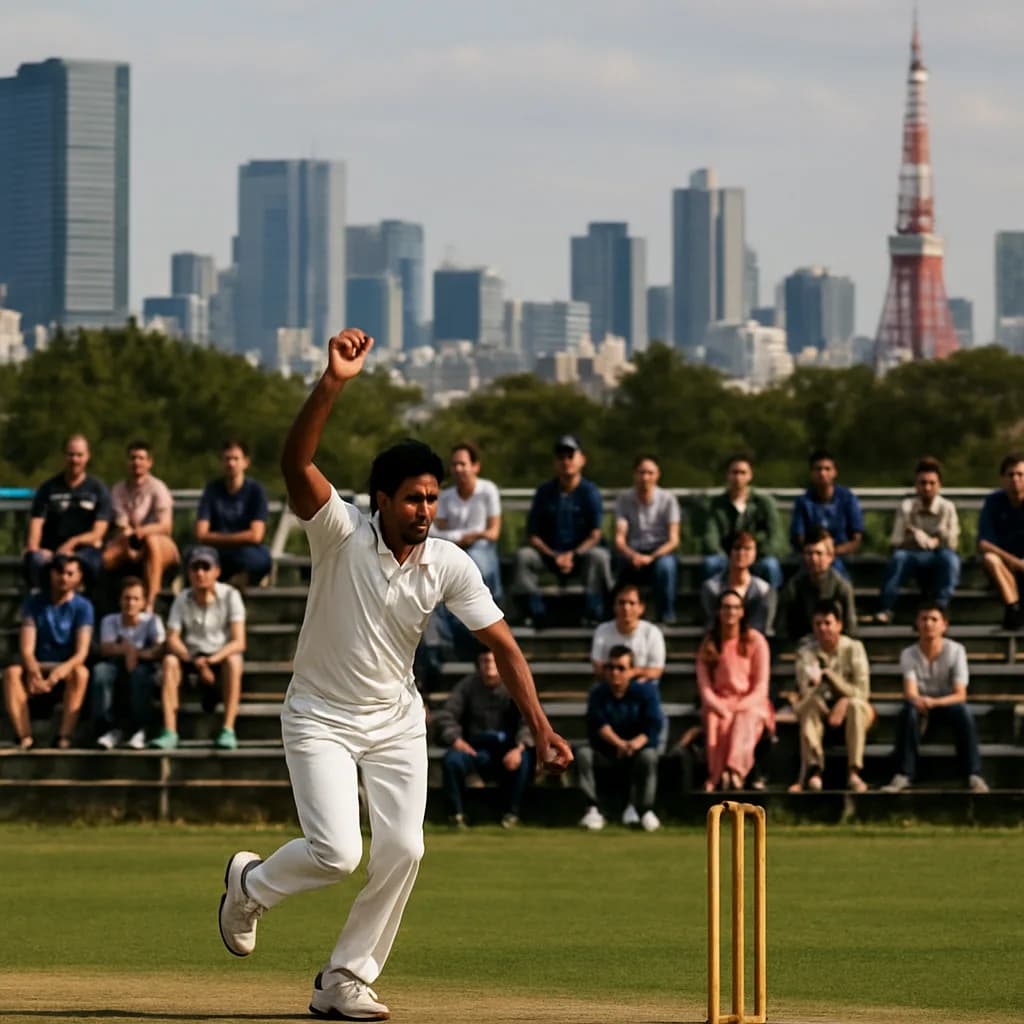
Representative image for illustration
A crowd noticed. A short on-field moment became a longer conversation about eligibility, diaspora and the growth of cricket in non-traditional countries. In short: Japan picked him because of residency rules, his performance, and some strategic choices by the country's cricket bodies.
That move throws up a bunch of immediate questions. Why pick a player born elsewhere, how does eligibility work, does this mean Japan is outsourcing talent, and what does it do for the sport locally?
How Abhishek Ana Came To Play For Japan (eligibility and pathway)
The records and usual international rules boil down to two paths: citizenship or residency. The International Cricket Council's regulations typically allow qualification through citizenship or by living in a country for a required period, and officials in multiple associate nations have used residency rules to broaden their talent pool. That framework helps explain how players of Indian origin living in Japan can become national team members.
Mostly, players earn a spot by standing out in domestic competitions and club games. Selection usually follows performance in domestic competitions and visibility at club level. The truth is, many associate nations run national trials and pick based on immediate need and form, and coaches often watch local leagues closely because the player pool is smaller and every performance matters.
Honestly, it's a practical route: live there, play well, get noticed.
What His Selection Meant For Japan Cricket (performance and context)
Officials argue that experienced recruits lift standards, and you can see mixed-origin squads pick up quick wins. For example, teams that mix local talent with migrants or expatriates often show immediate gains in competitiveness during regional tournaments. Before selection, a national side may rank low against established teams; after adding experienced players who bring different training backgrounds, performance can improve noticeably in matches.
But quick wins can hide deeper problems if nobody invests in local development. Coaches and association boards often face a trade-off: pick experienced, recently arrived players to win now, or invest years in grassroots programs to grow a home-grown core. Officials and development plans must balance both aims, because only one approach risks stagnation.
Why The Story Resonated Internationally (migration, identity, strategy)
This situation isn't unique to cricket. Sports governing bodies in football and rugby have long managed similar issues, and the debate centers on national identity versus practical competitiveness. Experts say migration trends and global mobility make sports teams more mixed, so the headline becomes less about a single player and more about how nations adapt policy to modern life. Some commentators framed the choice as strategic expansion of talent pools; others worried about sidelining native-born athletes.
What really matters is whether coaching, facilities and youth programs are getting better, and if the association has a clear development plan. If the player comes as part of a longer plan, coaching clinics, community outreach, that sort of thing, the pick can speed up real growth. But if the pick is a one-off to chase immediate wins, the long-term benefit is uncertain.
Short and sharp.
Practical How-To For Aspiring Players In Japan
Thinking of playing for Japan or just getting better in a developing cricket scene? First, learn the eligibility rules that apply locally, and the residency periods set by the sport's international body. Next: sign up with a local club and play regularly, selectors look for match-ready players who perform week in and week out. Coaches and selectors look for players who can be relied upon across formats, especially in pressure moments.
Here's an example that makes it concrete. A recently-arrived player, aged 22, joined a Tokyo club, trained twice weekly, played in club T20s and a national trial the next season, and then made the national squad the following year through residency and selection. That one-year run shows what's possible when the rules line up and you're willing to put the work in. The practical takeaway is simple: show up, play, and stay eligible.
Common Misconceptions About Mixed-Origin Selection
A lot of people assume hiring foreign-origin players automatically takes spots from locals, that's not always true. Available research and interviews with national association officials show that's not always true, because many associations set quotas, run parallel development teams, and use visiting talent to mentor local athletes. It's also wrong to think imported players are a guaranteed shortcut to instant success. The truth is, performance depends on support structures like coaching, fitness, and integration into team culture.
Critics, not surprisingly, raise identity concerns and worry about community sentiment. Officials tend to balance those concerns by publishing selection criteria and holding open trials, and good governance reduces controversy.
Comparison: Before And After Selection Policy Changes
Before widening eligibility, teams usually leaned on a narrow player pool and struggled in regional events. After introducing broader residency-based selection, teams commonly see more competitive matches and occasional tournament wins, but also face pressure to develop local pipelines. Once residency rules widen, you'll often see better matches and a few tournament results, but suddenly there's pressure to build youth pipelines.
It gets interesting because the change can reshape public interest. Crowds grow, sponsors pay more, and suddenly youth clubs have more takers. In my view, that growth sticks only if the extra cash goes straight back into grassroots.
Frequently Asked Questions
Q: How can a player born in India play for Japan? A: Players can qualify by obtaining Japanese citizenship or by meeting residency requirements set by the sport's governing body. The process usually involves living in the country for a set number of years and showing continuous participation in domestic competitions.
Q: Does hiring players from abroad hurt local development? A: Not necessarily, experts say, because associations can use foreign-origin players to raise standards while running parallel youth programs. The outcome depends on whether the governing body commits resources to coaching and grassroots growth.
Q: What should an aspiring cricketer in Japan do next? A: Join a local club, play regularly, and track eligibility rules. Attend national trials and network with coaches, because consistent visibility is often the quickest path to selection.
Bottom line: if you're interested, act now. If you want to be part of this story, sign up with a club, check the residency rules, and play the next season.
Comments (0)
No comments yet. Be the first to share your thoughts!