Pakistan vs England: ODI tri-series highlights
This article was drafted with Citeya, an AI writing tool, from published reports and is published under Kishan Prajapat's name. See our editorial standards or report an error.

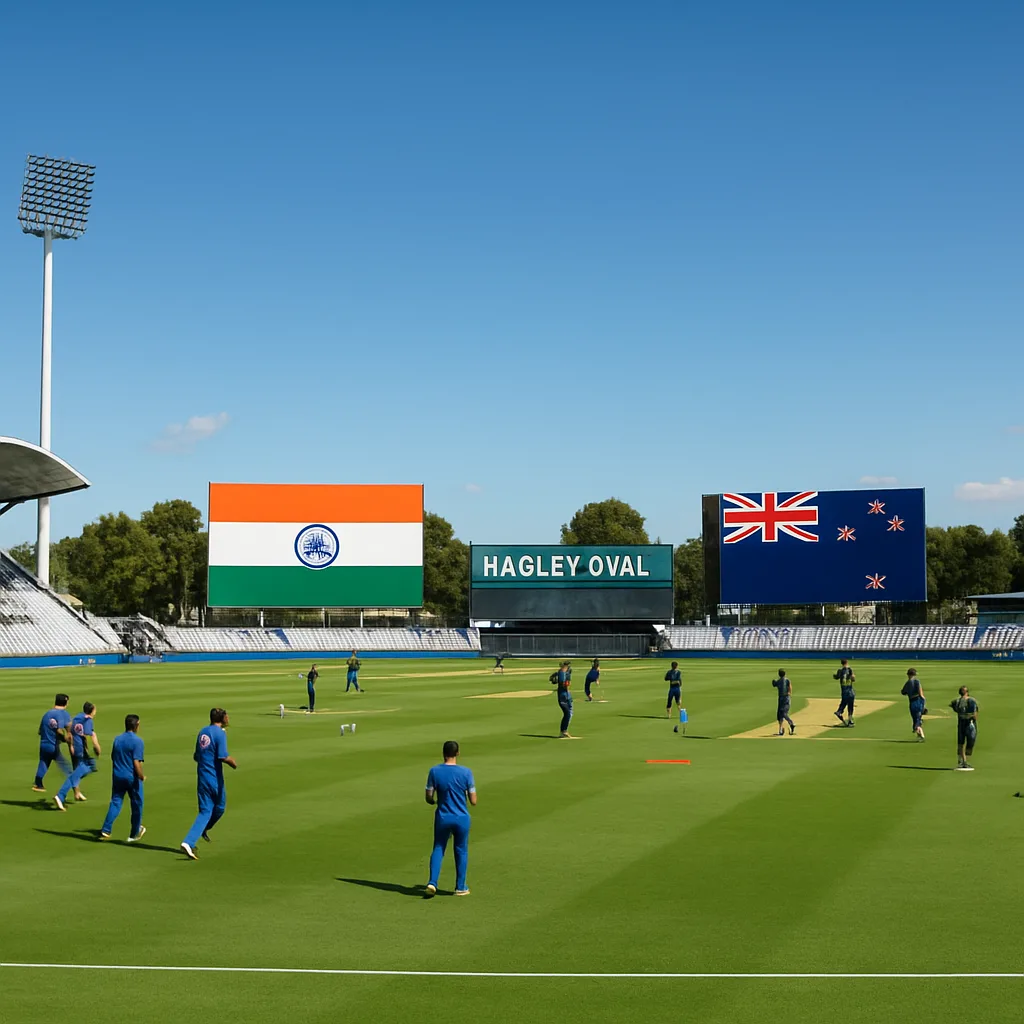
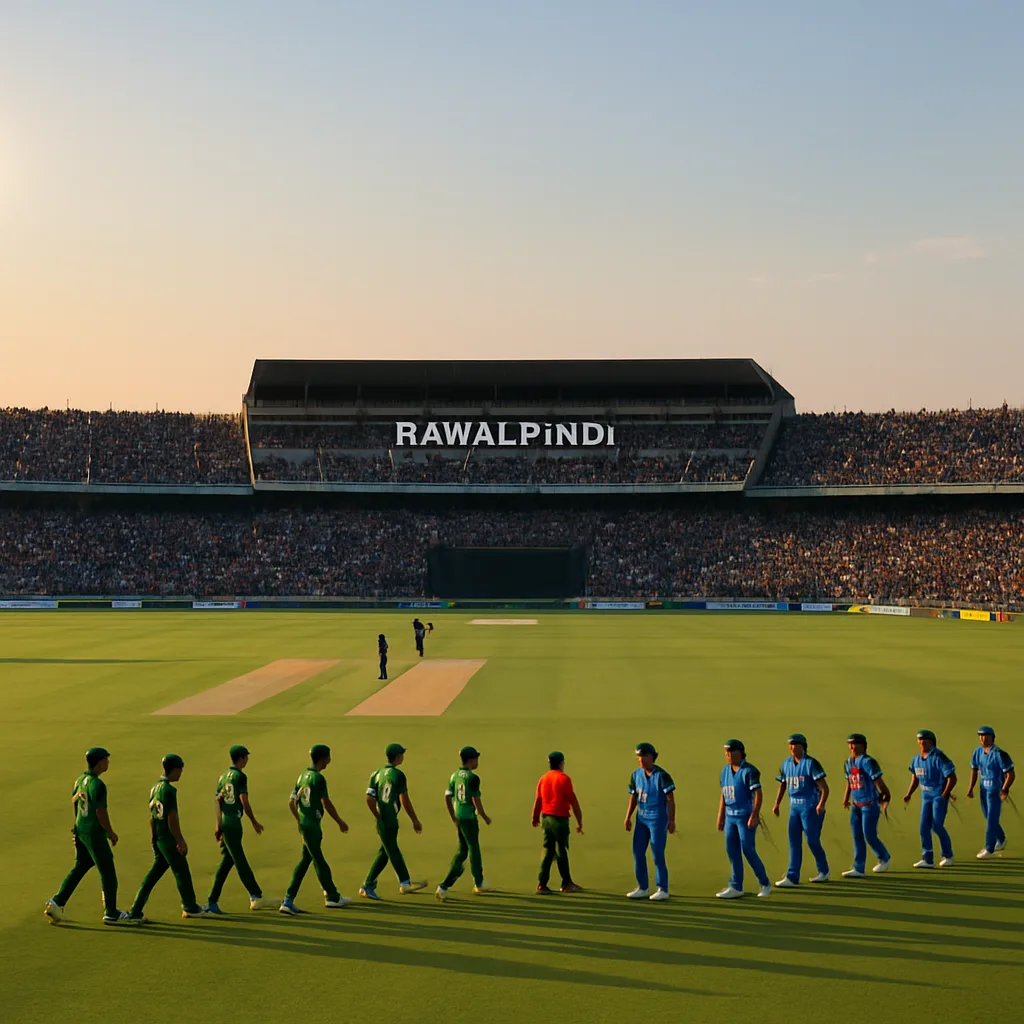
Representative image for illustration
Pakistan beat England by 87 runs in Rawalpindi, a result that combined early breakthroughs, an all-round bowling plan and a middle-order fightback to leave England scrambling and Pakistan two wins into the tri-series. TL;DR: Pakistan defended a total effectively, England lost momentum after a first-ball wicket of Fakhar Zaman, and Pakistan’s younger players pressed their World Cup claims. See the match turning points, the individual figures that mattered, tactical trade-offs, how this shifts selection debates, and one practical thing fans and analysts should watch next.
How the match swung: three decisive moments
The game turned in the opening overs and then again in the middle session. England struck immediately when Gus Atkinson removed Fakhar Zaman on the first ball, a blow that Sky Sports captured in a short video clip and that set an aggressive tone for England’s new-ball plan [https://www.skysports.com/cricket/video/13601240/pakistan-vs-england-fakhar-zaman-caught-out-on-first-ball-against-england-in-the-tri-series]. That wicket forced Pakistan to rebuild from the top.
Pakistan’s response was not a single dominant innings but a sequence of disciplined 10-over partnerships that recovered the scoreboard. The hosts then protected a defendable total by rotating bowlers and attacking at the right moments, a pattern evident in the highlights package from Sky Sports [https://www.skysports.com/cricket/video/13601445/pakistan-vs-england-odi-tri-series-highlights]. England’s chase never found consistent footing; wickets in clusters left them chasing the game rather than setting or pacing a chase.
The margin was 87 runs, which shows how far England fell short and makes clear that Pakistan’s win was comprehensive rather than narrow [https://www.skysports.com/cricket/live-blog/13601207/pakistan-vs-england-odi-tri-series-live-latest-cricket-score-updates-and-video-as-harry-brooks-side-begin-50-over-tour]. That scoreline is the clearest evidence that Pakistan’s plan, from opening bowlers to the death overs, worked as a unit.
Who stood out: player statistics and quotes that matter
The scoreline isn’t the whole story; individual performances shaped it. Pakistan’s Arafat Minhas was singled out in match reports as a match-winner, and match coverage described how his contribution helped secure Pakistan’s win [https://www.skysports.com/cricket/live-blog/13601207/pakistan-vs-england-odi-tri-series-live-latest-cricket-score-updates-and-video-as-harry-brooks-side-begin-50-over-tour]. Tapmad’s match summary also records Pakistan’s back-to-back wins in the tri-series, underlining a form trend rather than a one-off result [https://www.tapmad.com/blog/pakistan-vs-england-odi-tri-series-match-highlights/8593-2-0].
On England’s side, the squad included players specifically picked to stake claims for future Tests and white-ball spots, such as Henry Crocombe and Sam Curran, and the leg-spinner Mason Crane was on the radar after a recall that he described as leaving him "buzzing" in a separate Sky Sports feature [https://www.skysports.com/cricket/news/13600845/england-begin-odi-tri-series-with-pakistan-and-sri-lanka-as-henry-crocombe-sam-curran-and-spinners-look-to-impress] and [https://www.skysports.com/cricket/news/13599691/mason-crane-buzzing-at-england-recall-as-glamorgan-leg-spinner-credits-richard-dawson-with-turnaround-in-fortunes]. That context explains why England treated the tri-series as both a competitive contest and a chance to evaluate players.
A named example: Fakhar Zaman’s first-ball dismissal, shown by Sky Sports, is an individual event with outsized tactical impact because it removed a top-order aggressor immediately and forced Pakistan to rebuild through less explosive partners [https://www.skysports.com/cricket/video/13601240/pakistan-vs-england-fakhar-zaman-caught-out-on-first-ball-against-england-in-the-tri-series]. For Pakistan, the emergence of a young bowler like Arafat Minhas as a match-winner is now measurable in match results and will be tracked by selectors ahead of the World Cup, as the Tribune framed Fakhar’s role in preparations [https://tribune.com.pk/story/2635237/Fakhar-highlights-World-Cup-preparations].
Tactical patterns: what Pakistan did better and England’s trade-offs
Pakistan’s bowling plan combined pace upfront with smart spin or seam changes in the middle overs, a flexible approach that allowed them to attack the stumps and frustrate set batsmen. The highlights show targeted short spells and aggressive field placements that turned dot-ball pressure into wickets [https://www.skysports.com/cricket/video/13601445/pakistan-vs-england-odi-tri-series-highlights]. That style trades immediate containment for wicket-taking intent; it risks leaking runs but gains match-defining dismissals, which is exactly what happened here.
England’s selection approach carried trade-offs. Managers picked players to press for Test places and to test spin options in subcontinental conditions, but that experimental angle left them slightly short of a settled ODI combination. Sky Sports previewed this intent: England wanted to see spinners and seamers adapt, which can cost short-term cohesion in pursuit of longer-term selection data [https://www.skysports.com/cricket/news/13600845/england-begin-odi-tri-series-with-pakistan-and-sri-lanka-as-henry-crocombe-sam-curran-and-spinners-look-to-impress]. Testing players under pressure can delay short-term payoff even when the information gathered is useful.
Choosing younger bowlers for the powerplay can yield early wickets or allow the run rate to spike if they miss their lines. England got one of the desired outcomes, an early wicket of Fakhar Zaman, but the rest of the plan failed to build on it, illustrating how high-variance selection can backfire in a single-match context.
What this means for the World Cup and upcoming selection choices
Pakistan arriving at two wins in the tri-series puts confidence into the squad balance and gives selectors real match evidence for picking pace-spin combinations in October 2026 fixtures. The tournament itself runs from October 18, and the Rawalpindi fixture dates and squad information were published ahead of the series, framing this tri-series as a practical preparation window for the World Cup [https://sports.yahoo.com/articles/pakistan-odi-tri-series-2026-034433702.html]. That calendar context matters: teams pick rotations and manage workloads knowing the World Cup schedule is on the horizon.
For England, the series is a logical stress-test. Using these matches to try out players such as Mason Crane or newer seam options will influence selection for tours and possibly the World Cup, but only if those players translate these opportunities into consistent performances. The Sky Sports coverage and feature interviews make the selection intent explicit and attribute the choice to team management decisions rather than random experimentation [https://www.skysports.com/cricket/news/13600845/england-begin-odi-tri-series-with-pakistan-and-sri-lanka-as-henry-crocombe-sam-curran-and-spinners-look-to-impress].
A single defeat does not eliminate England from contention in this round-robin format; Tapmad and Yahoo maintained updated fixtures and results so readers can track how a single margin, like 87 runs, fits into a larger points table and net-run-rate calculation [https://www.tapmad.com/blog/pakistan-vs-england-odi-tri-series-match-highlights/8593-2-0] and [https://sports.yahoo.com/articles/england-sri-lanka-tri-series-154652733.html]. Those metrics will decide who reaches the final.
Closing takeaway: what fans and analysts should watch next
Watch how Pakistan deploys its bowling in the next 15 overs of the innings and whether England settle on a fixed middle order or keep rotating to find the right balance. If Pakistan’s young bowlers keep producing wicket clusters, they’ll be hard to dislodge from the XI. If England can find a consistent 30-over partnership during their next match, they’ll recover tournament momentum and give selectors clearer evidence for white-ball picks.
Track Pakistan’s next Rawalpindi match and compare the opening 10-over economy rates and powerplay wickets; those metrics indicate whether this win reflects a repeatable strategy or a one-off performance. For live schedules and squad updates, consult the tournament pages that list fixtures and broadcast details [https://sports.yahoo.com/articles/where-watch-pakistan-vs-england-203001431.html] and the ongoing match reports and analysis from Sky Sports and local outlets [https://www.skysports.com/cricket/live-blog/13601207/pakistan-vs-england-odi-tri-series-live-latest-cricket-score-updates-and-video-as-harry-brooks-side-begin-50-over-tour].
Comments (0)
No comments yet. Be the first to share your thoughts!