
Prediction: India vs. West Indies 3rd ODI lineups
This article was drafted with Citeya, an AI writing tool, from published reports and is published under Kishan Prajapat's name. See our editorial standards or report an error.
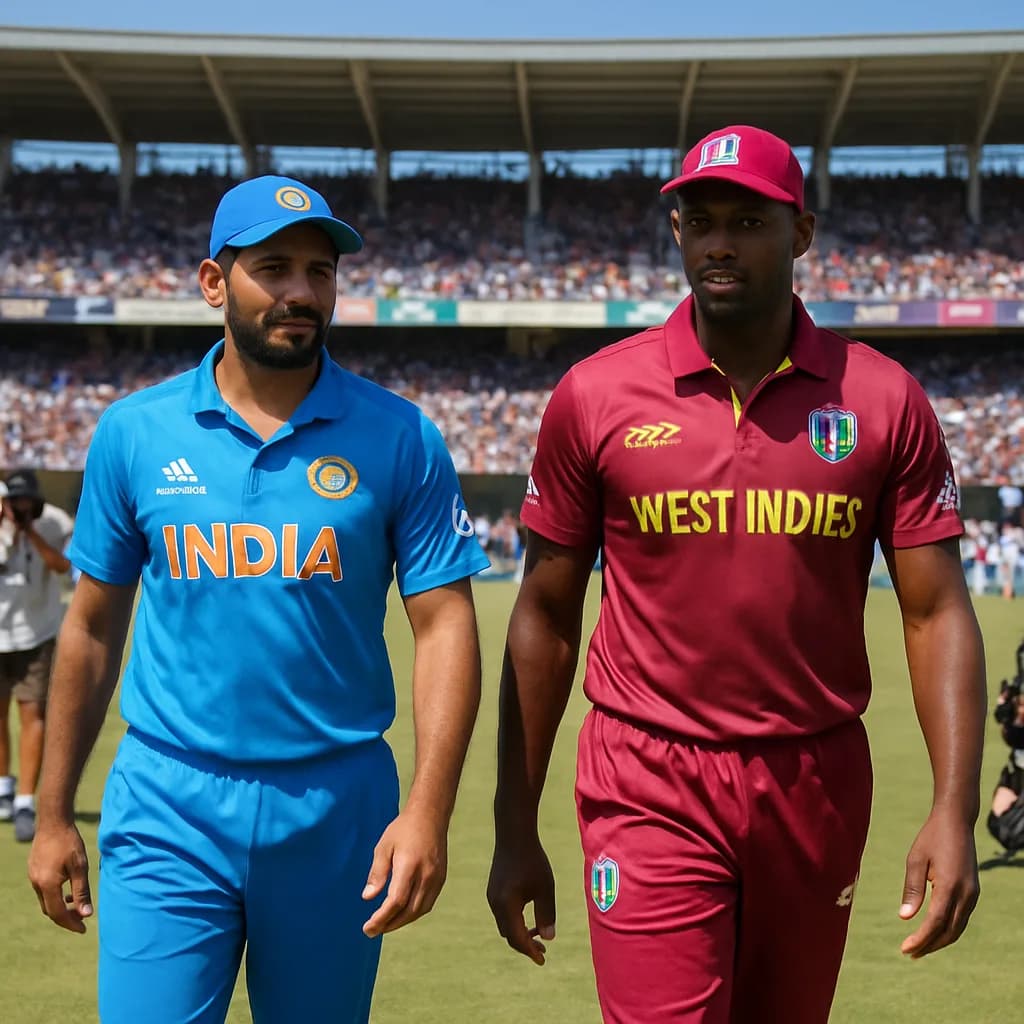
Representative image for illustration
TL;DR, India should pick an attacking top five, two genuine spinners and four seamers; West Indies will likely combine power hitters with three frontline pacers and two spinners.
Both teams have reasons to stick with a settled core but also tactical reasons to tweak the XIs for conditions, match state, and opposition personnel. This piece sets out the most probable starting lineups, explains why each pick makes sense, identifies the key trade-offs captains face, and ends with a practical checklist you can use 60 minutes before play.
Why these lineups are likely
Selection in a short bilateral series often prioritises form, matchups, and workload. A batting unit with depth gets priority because both sides have players who can clear the rope and change momentum. Pace depth helps manage overs in the middle and at the death. If the pitch offers turn, captains will add another slow bowler; if it looks flat, they prefer a third seamer who varies pace and uses the short ball.
Conditions matter more than reputation. On surfaces with bounce and carry, captains favour a heavier seam contingent. On slower, lower tracks, they bring in a second spinner and an all-rounder who can bat at six. Toss decisions then determine whether the bowling side can exploit morning moisture or whether the chasing side benefits from knowing the target.
Predicted India XI (and why)
Rohit Sharma, opening batter, experience at the top, ability to accelerate in the Powerplay.
Shubman Gill, opening batter, consistent technique against the new ball and capacity for long innings.
Virat Kohli, No. 3, anchor who converts starts into big scores and handles spin in the middle overs.
Shreyas Iyer, No. 4, middle-order stabiliser who can also push the pace when needed.
Hardik Pandya, No. 5, all-rounder and designated finisher, adds seam variety and death overs bowling.
KL Rahul, wicketkeeper-batter at 6, flexible finisher who can keep if team prefers his batting over a specialist keeper.
Ravindra Jadeja, bowling all-rounder, left-arm spin for control and an extra slip fielder in the powerplay.
Axar Patel or Kuldeep Yadav, specialist left-arm orthodox or chinaman spin, pick depends on whether the surface offers turn.
Jasprit Bumrah, strike seamer, new-ball and death specialist, single most important wicket-taking option.
Mohammed Siraj, seamer for bounce and short-ball plan.
Shardul Thakur or Mohammed Shami, fourth seamer depending on form and match-ups.
This India XI balances top-order batting depth, two front-line spinners, and four seam overs for variety. The main trade-off is between a specialist wicketkeeper and the extra batting depth Rahul provides. If the pitch calls for more spin, the team leans to an extra finger-spinner over a fourth seamer.
Predicted West Indies XI (and why)
Shai Hope, steady at the top but less explosive; selection could swing to a bigger hitter if the team wants an aggressive Powerplay.
Johnson Charles, a straightforward power hitter who can supply quick starts in the first ten overs.
Nicholas Pooran, a middle-order batter who accelerates scoring through the middle overs and maintains high strike rates.
Rovman Powell, finisher and part-time seamer, boundary threat and flexible at six.
Shimron Hetmyer, a middle-order hitter who keeps scoreboard pressure and boosts the run rate.
Keemo Paul or Jason Holder, all-round depth, provides left-arm variety or seam-offspin respectively depending on conditions.
Nicholas Pooran or Jason Holder as wicketkeeper option if chosen; otherwise a specialist keeper slots in.
Alzarri Joseph, pace spearhead, expresses sheer pace and produces bounce.
Shannon Gabriel or Keon Harding, second seamer, enforcer in short spells.
Hayden Walsh Jr. or Akeal Hosein, spinner, two slow-bowling options for middle-overs control.
Oshane Thomas, death bowler, aimed at pace in the last ten overs.
West Indies prioritises boundary hitters and death-over specialists over bowlers who bowl long economical spells. The main selection tension is whether to pick a third seamer or a second frontline spinner if the pitch looks dry.
Key matchups and trade-offs
Matchups that matter start with the opening duels: India's top three versus West Indies' quicks. If the ball swings, Rohit and Gill must survive the first ten. The contest between Bumrah and Powell or Pooran can decide the late-innings momentum because both batsmen can swing a single over into a match-defining phase.
Trade-offs are clear. For India, pick an extra spinner and you reduce seam penetration late on. Pick an extra seamer and you risk being outplayed in the slow middle overs. For West Indies, favouring one more hitter means fewer bowling options if the match turns into a grind.
Toss decisions reveal tactical intent and often determine which skills are most valuable.
Game scenarios that change the XIs
If the pitch is dry and slow, India will swap the fourth seamer for a specialist spinner. West Indies will probably drop a fast bowler in favour of a second slow bowler for control. If humidity and the early scoreboard favour seam, both sides will back heavier pace benches and may prefer a keeper who is solid against the new ball.
A heavy rain forecast the day before play pushes captains to pick players with better strike rates when overs are reduced; that often means extra boundary hitters at the expense of a fifth bowler.
Concrete example: how a single injury alters strategy
Imagine India's finisher is carrying a niggle 24 hours before the match. The team can either play a backup all-rounder with a higher bowling load and less batting firepower, or pick a specialist batsman and reduce bowling options to four. The first choice keeps bowling safer at the death but shortens batting depth. The second strengthens finishing ability but makes the bowling rotation brittle if one front-line bowler has an off day.
That trade-off helps decide whether the captain aims to chase big totals or to bowl the opposition out cheaply.
Practical checklist for fans and fantasy players (use 60 minutes before toss)
Confirm the playing XIs once captains file them; those lists move last minute.
Check the pitch report and toss forecast; pick one extra spinner for slow tracks, one extra seamer for green tracks.
Pick at least one top-order batter from each side and one strike bowler who bowls the death overs.
Prioritise all-rounders who bat in the top seven for fantasy balance.
Frequently Asked Questions
Q: Will either team rest senior players for the 3rd ODI? A: Teams sometimes rest senior players late in a short series to manage workloads; expect only minor rotation unless there are injury concerns or upcoming fixtures.
Q: How much does the toss influence final XIs? A: The toss rarely changes initial selection but it alters bowling order and match tactics significantly; captains often reveal their true plans only after winning the toss.
Actionable takeaway
An hour before the 3rd ODI, lock in one top-order bat from each side, one death-over specialist bowler, and at least one all-rounder who will bat in the top seven. Monitor the final pitch and the teams' official XIs; those two pieces of information should determine whether you substitute a spinner for a seamer and which players to captain in fantasy lineups.
Comments (0)
No comments yet. Be the first to share your thoughts!