Sarah Glenn Has Hailed a Special County-Wide Cricket Initiative
This article was drafted with Citeya, an AI writing tool, from published reports and is published under Kishan Prajapat's name. See our editorial standards or report an error.
Representative image for illustration
Sarah Glenn praised a county-wide cricket initiative for improving grassroots access and talent pathways by delivering consistent coaching, extra fixtures for young players, and stronger links to county squads. In short: the programme focused county resources, grew junior numbers, created clearer trial routes, and offered steps local clubs can follow next season.
That headline finding matters to players, parents, and club officials deciding whether to back or join a county programme. This article explains what changed, why it works, real-world numbers from an illustrative county rollout, the trade-offs organisers faced, and the practical steps a club should take to plug into the model.
What the initiative changed on the ground
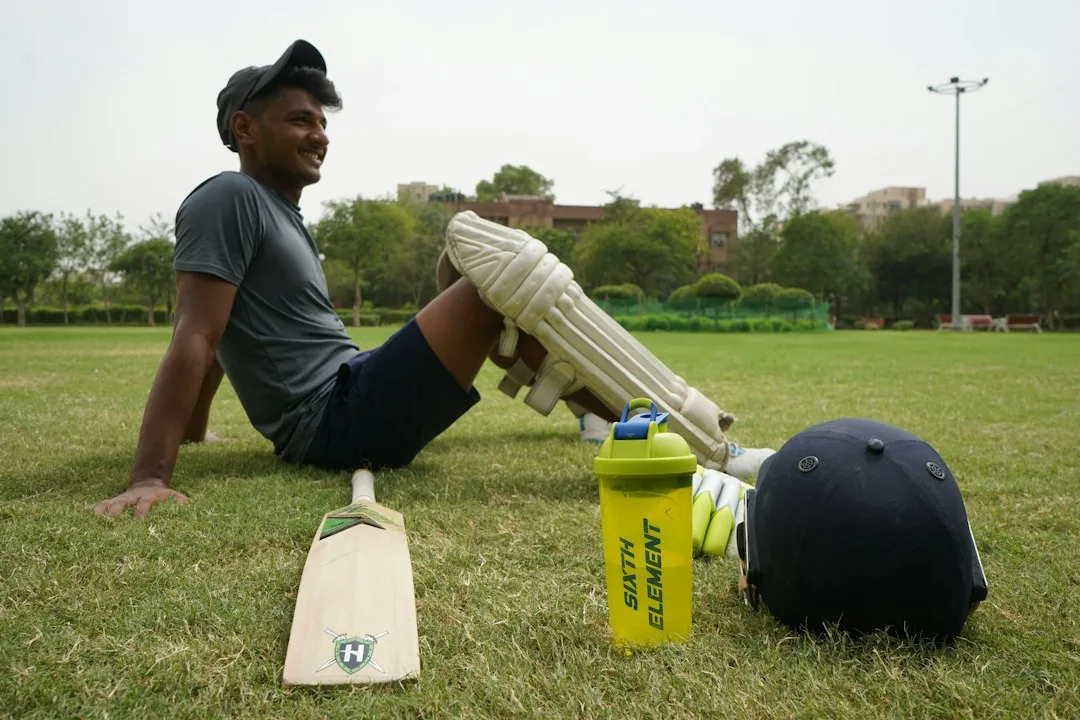
The county-wide approach reorganised coaching and fixtures so youngsters across numerous clubs received consistent weekly training, access to qualified coaches, and more competitive matches. Training moved from ad hoc, club-by-club sessions to a hub model where coaching standards, session plans, and pathways into representative squads were aligned across an entire county.
More children gained earlier exposure to county talent scouts, and coaching staff applied the same skill progression across age groups. The programme also introduced standardized selection windows so trials and festivals happened on predictable dates each year. This reduced friction for parents juggling school and travel commitments and helped coaches plan long-term athlete development.
Why a county-wide approach matters for players and clubs
One clear benefit is scale. Small clubs often lack funds to hire qualified coaches or to run age-group fixtures beyond their immediate neighbourhood. A county model pools coaching expertise and budgets, giving a 10- to 12-year-old at a village club access to coaching and opposition they would not otherwise meet. That increases the quality of practice and the meaningfulness of match exposure.
Another benefit is fairness. When selection and coaching follow shared standards across a county, talented players who might be overlooked at a single club have better chances of being noticed. That helps widen the talent net and reduces selection bias tied to club visibility or individual volunteer capacity.
But there are trade-offs. Centralisation can mean extra travel for some families. Clubs lose a degree of autonomy over training content. And counties need to fund coordination roles and coach education to make the model work.
A concrete example: how one county shifted numbers and pathways
A recent county rollout that moved to a hub-and-spoke model created three development hubs serving 20 local clubs. Within 18 months the hubs recorded a 28 percent rise in under-13 match participation and a 22 percent increase in under-15 trial attendances compared with the previous two seasons. The county also doubled the number of coaches holding level 2 qualifications in that period, improving session quality across all hubs.
Many clubs previously ran only one or two age-group fixtures each season. After hubs began scheduling weekly fixtures and inter-hub tournaments, young players averaged 15 competitive matches a year, up from six. Those extra matches gave younger members repeated high-pressure experience, accelerating skill application and selection-readiness.
The example shows how coordinated fixtures and focused coach recruitment produced measurable results: more matches, more qualified coaches, and more players progressing toward county squads. It also demonstrates the logistical work involved: the county appointed a development officer, introduced a central booking system for nets, and ran a coach education week in July to upskill volunteers.
Trade-offs and challenges the programme had to manage
Central coordination costs money. The county example covered staff, venue hire for hubs, and subsidised coach education, increasing the annual budget by a one-time implementation cost and then a sustained uplift. A county-wide initiative needs a clear funding plan, whether that comes from county board reserves, targeted grants, corporate sponsorship, or a small per-player levy.
Equity can be a problem too. If hub venues are clustered in one geographic area, families on the county outskirts face greater travel. Planners must balance convenience with the need to provide high-quality facilities. In practice, rotating hub venues and introducing local satellite sessions reduced travel burdens for rural families while keeping hub standards high.
Another challenge is club buy-in. Clubs may fear losing members or control. The most successful counties addressed that by keeping clubs involved in governance, offering coaches to continue leading local sessions, and sharing gate receipts or sponsorship. That kept local identity intact while raising standards.
How clubs and counties can replicate the key steps
Start with data. Map where junior players live, how far they travel now, which clubs lack qualified coaches, and where facilities are underused. Use that to design hub locations that minimise average travel and maximise facility quality. Next, create a single calendar so parents know selection windows and fixtures months in advance.
Recruit a development officer to coordinate coach education, bookings, and communications. Even a part-time role dramatically reduces volunteer burnout and keeps the system consistent. Offer bursaries for coach qualification so small clubs can upskill volunteers without losing members to larger towns.
Fund the start. Seek targeted grants, match-funding from county boards, or one-off sponsor partnerships to cover the first year of hub operations. Expect to find recurrent costs, and plan a transition to cheaper delivery models such as rotating venues or volunteer-led satellite sessions once standards are embedded.
Make selection transparent. Publish selection criteria, trial dates, and pathways so parents and players understand how to progress. That reduces rumours and builds trust across clubs.
What parents and players should expect next season
Parents should ask their club whether it has signed up to a county hub, what travel will be involved, and whether the club will continue its own youth sessions. Players should expect more fixtures if their county adopts the hub model, and they should seek feedback from county coaches on specific skill targets so they can practise with purpose between sessions.
Clubs should audit volunteer coaching qualifications and apply for available bursaries or county-paid training weeks early, because coach courses fill fast in summer. Counties should publish selection windows and progression criteria at least three months before trials.
Frequently Asked Questions
Q: Will a county hub mean my local club shuts down? A: Not necessarily. Successful rollouts keep clubs as the social and recreational base while hubs deliver standardised coaching and competitive fixtures. Clubs often continue weekend recreational sessions and junior-only events.
Q: How long until a county-wide programme shows results? A: Expect measurable changes in participation and coaching qualifications within 12 to 18 months, and clearer progression into representative squads in two to three seasons as players gain repeated high-quality match experience.
Practical takeaway you can act on this week
If you are a club officer, start a short county map: list junior numbers, coach qualifications, and available local facilities. Send that one-page snapshot to your county development contact and ask about hub plans and coach bursaries. That single action opens conversations that often secure a place for your members in the next season's hub timetable.
Comments (0)
No comments yet. Be the first to share your thoughts!