Ravichandran Ashwin CSK Phase IPL Exit After ‘Mentally Disturbing’ Experience
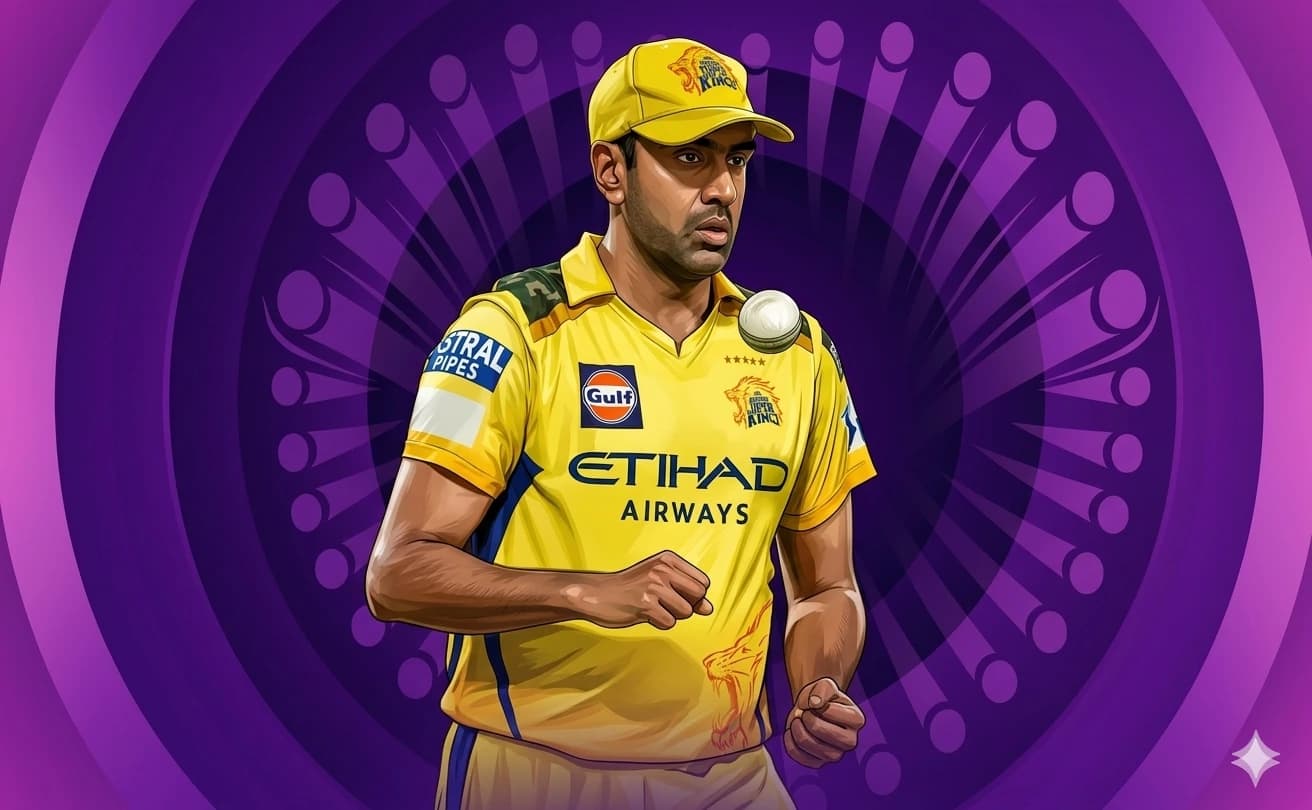
Representative image for illustration
Ravichandran Ashwin s time with Chennai Super Kings (CSK) during the IPL 2026 season ended with him describing the whole experience as "mentally disturbing" and downright painful. It’s rare to hear a player of Ashwin’s stature open up in such raw terms. But this isn’t just about an emotional moment — it reflects deeper cracks in how top-tier professionals manage pressure, loyalty, and their career trajectories in the IPL’s high-stakes environment.
What Exactly Happened During Ashwin’s CSK Phase?
Ashwin joined CSK with high expectations, not just because of his incredible cricketing resume but also as part of a team aiming to reclaim IPL dominance. After CSK’s rough patch with three straight defeats in IPL 2026, the pressure mounted. Ashwin’s own performances didn’t meet his benchmark, leading to bruising losses on and off the field. In one notable match against Royal Challengers Bangalore, CSK was thrashed, which Ashwin described as a low point that was “very painful” to witness.
The problem wasn’t just the losing streak but the way things unfolded internally. Reports suggested Ashwin felt sidelined during key decisions and struggled to cope with the relentless IPL grind. It’s one thing to fail on the field, but another to feel emotionally disconnected from your place in the team.
Why Did Ashwin Describe His Experience as ‘Mentally Disturbing’?
Ashwin’s phrase “mentally disturbing” wasn’t a casual expression. It tells us more about the unseen mental strain that elite athletes endure. After all, Ashwin has been one of India’s top spinners for over a decade, known for his calm, calculating approach on-field. So why was this stint so tough?
Part of this mental weariness comes from shattered expectations. Ashwin recently revealed he could’ve played another season but chose to step away, describing it as “very painful” to watch the franchise struggle. The feeling of helplessness in a losing environment, watching a team with a legendary captain like MS Dhoni falter — it eats away at competitive pride.
These emotions aren’t unique, but Ashwin is among the few big names to admit them publicly. Many players mask mental fatigue behind stoic facades, which leads to misconceptions about players’ decision to retire or exit teams abruptly.
How This IPL Exit Reflects Larger Issues in Franchise Cricket
Ashwin’s exit isn’t just a personal story. It highlights the trade-off franchises make between youth development, star retention, and handling veterans nearing the twilight of their careers. IPL squads often juggle emerging talents and seasoned campaigners, but if communication and role clarity break down, tension erupts.
For example, CSK’s strategy post-2023 was focused more on youth revival, shifting some roles that Ashwin traditionally filled. This left him in a frustrating limbo — neither fully a core player nor completely phased out. Such a limbo is a breeding ground for mental stress, especially when compounded by poor team performance.
It s also worth noting that his retirement reportedly saved the franchise about INR 10 crore in salary cap space. This financial angle adds another layer of complexity — a player’s exit isn’t always about form or fitness but sometimes financial maneuvering, which does not sit well with athletes craving stability.
Common Misconceptions About IPL Retirements and Mental Health
Many fans automatically assume when a player retires or exits a team that it’s about declining form or age catching up. Not true with Ashwin. The mental toll and off-field dynamics play huge roles, often overlooked.
People forget that IPL’s intensity is brutal — 14 to sometimes 20 games in a dozen weeks, pressure-cooker atmosphere, endless media scrutiny, and then juggling international duties. For a player like Ashwin, who has captained teams before, losing that leadership or clear role inside the roster can be unsettling.
The big misunderstanding is viewing mental health as weakness, when actually it’s a sign of a highly engaged player fighting to keep his edge amid chaos.
A Real-World Example: CSK’s 2026 Season and Ashwin’s Impact
CSK’s IPL 2026 campaign bottomed out with losses stacking up, and Ashwin’s frustration became public after the RCB thrashing where he openly called the season "mentally disturbing" and “painful to be part of”.
Despite this, his presence saved the franchise costly penalties because his departure opened salary space for new signings. Yet, it was clear he felt emotionally let down by the whole experience. Here’s the thing — it took Ashwin just 11 minutes after that season’s final match to publicly confirm his exit, showing how deep-rooted his feelings were.
His departure also sparked debates on leadership under MS Dhoni’s captaincy, team selections, and long-term strategy Greatest IPL Captains. Was Ashwin’s frustration also about not being used in his best role? Possibly.
Practical Takeaway for Players and Fans
If you’re a player or a fan, Ashwin’s CSK experience is a reminder: cricket isn’t just a sport played with the body but also with the mind. Recognizing mental fatigue and having open conversations about role clarity can make or break careers.
Teams should invest more in psychological support and transparent communication, especially for veteran players who might be coping with changing roles.
For fans, the lesson is to avoid quick judgments about retirement or team exits. These decisions are often laced with complex emotional and strategic calculations.
If you’re a cricketer, don’t ignore those feelings of mental disturbance. Seek help early. Ashwin’s courage to speak about it should inspire others to break the silence.
Find more insights like these on India’s most vibrant IPL moments and player journeys on sites like Ashwin Backs Virat Kohli.
Frequently Asked Questions
Q: Why did Ravichandran Ashwin call his CSK IPL stint mentally disturbing? A: Ashwin felt sidelined and struggled with the team’s poor performance. The combination of losing streaks, unclear roles, and emotional exhaustion led him to describe the experience as mentally tough and painful.
Q: Did Ashwin retire due to poor form or injury? A: No. Ashwin clarified he could have played another season but chose to retire mainly due to mental fatigue and team dynamics, rather than physical inability.
Q: How did Ashwin’s exit affect CSK? A: His exit freed significant salary cap space (INR 10 crore) for CSK to invest in new talent, but it also raised questions about how the franchise manages veteran players in transition phases.
Get the latest IPL 2026 updates, including match previews, team news, points table, and live results. Check the complete IPL 2026 Match Schedule with fixtures, venues, and timings on CricLegacy. For more cricket updates you can also download the CricLegacy Cricket App.
Comments (0)
No comments yet. Be the first to share your thoughts!