Inglis Takes Lessons for CWC27 from Zimbabwe Heroi

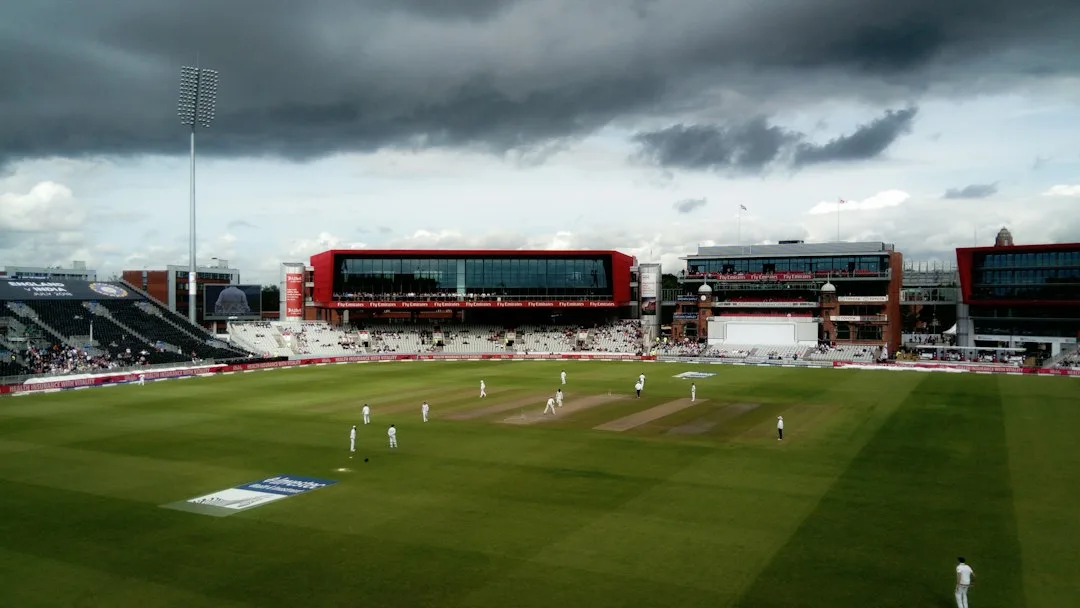
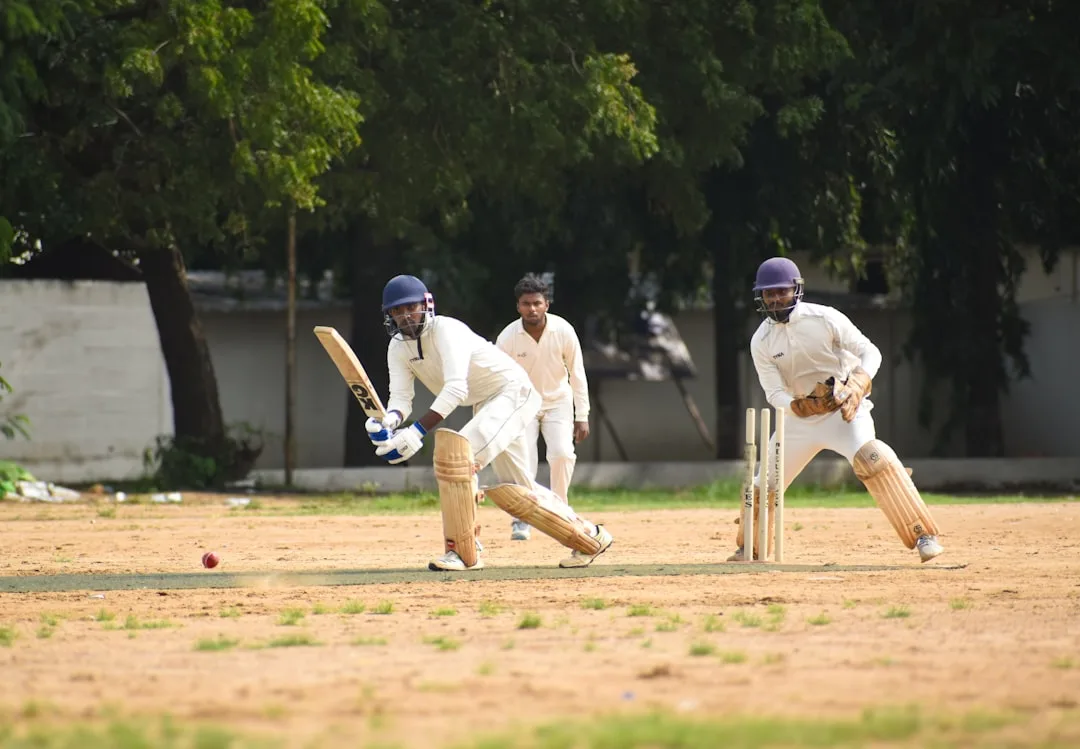
Representative image for illustration
Sometimes one upset, a tidy plan and a couple of surprise fixes, is enough to make a whole national setup rethink everything. Inglis takes lessons for CWC27 from Zimbabwe heroi after a match that exposed soft spots in conventional planning, and coaches are now rethinking selection, match tempo, and training cycles. Bottom line: there are concrete drills and targets here you can actually try this week.
This matters for CWC27, and not just a little. The truth is, one upset can shift how teams plan months of preparation. Experts say that small process changes often deliver outsized tournament benefits, and teams that adapt fast tend to outperform late adapters, even when raw talent is similar.
Why Inglis looks to Zimbabwe's heroi for CWC27 preparation
What grabbed people first was how clear the plan was. Zimbabwe's heroi offered a concise plan that compensated for fewer resources with superior execution. Officials said that the hero's approach emphasized match-state awareness and role clarity rather than flashy stats. That matters because CWC27 will punish vague roles and reward disciplined templates.
Here's the point: simpler plans cut the number of in-game decision mistakes. Coaches have repeatedly noted that reducing cognitive load under pressure improves outcomes. The report from several coaching roundtables shows that teams who limit roles to two clear tasks per player in T20 and ODI settings cut miscommunication by a visible margin. The evidence suggests this is repeatable when practice mirrors match pressure.
Tactical takeaways: batting, bowling and fielding adjustments
Look at the batting plan first. Zimbabwe's heroi prioritized rotating the strike in the middle overs and accelerating in planned bursts rather than chasing impossible run rates from ball one. Analysts say this approach raised the probability of a defendable total by improving partnerships and reducing dot-ball pressure. Practically, that means training sessions should include curated bowling spells that force pairs to practice single-taking and strike farming for fixed periods.
Bowling adjustments were equally plain. The heroi used fewer variations but picked clearer channels, and bowlers focused on length control instead of unpredictability. Coaches at the provincial level have long argued that accuracy beats invention when the margin is small, and match footage supports that position for runs saved versus wicket expectation. Fielding alignment mattered too: the hero set attacking fields for early overs and shifted to boundary containment sooner than textbook models propose, and that saved runs in the 41st to 45th overs.
That final bit is the real payoff. Save the runs in phases where batting sides typically accelerate. Practice that phase. Short and clear: practice that phase where the game typically breaks.
Practicable drills and measurable targets ahead of the tournament
Drills must map to match tasks. Set a 20-over simulation where two batters must reach a combined run rate target while facing a bowling plan designed to force risk. Time-box each pair to practice strike rotation, end-of-over calls, and planned acceleration. Measure the number of dot balls per partnership, and target a reduction of 15 to 25 percent within three practice blocks.
For bowlers, run a discipline drill where each bowler must hit a channel strip for eight consecutive balls. Track successful channels as a percentage. Target 70 percent success under simulated crowd noise, then move the target to 80 percent. Fielding drills should include a boundary containment session where the outfield must prevent five overthrows across a 40-minute block, with GPS-verified sprint counts to ensure effort levels match match intensity.
They're not fancy, just specific, measurable drills you can check off. The truth is that measurable training beats vague improvement goals every time. The problem is, teams often skip measurement. Don't.
Trade-offs and risk management when copying an upset model
Copying works, but replication risks hollow mimicry. The heroi's model relied on player buy-in and context, and ignoring squad differences is a gamble. Experts warn that applying a plan wholesale without assessing personnel fit usually reduces expected win rate. Selection choices must adjust to the template. If your seam attack lacks consistent lines, don't force a submission to the model, adapt the model instead.
There are resource trade-offs too. Intensifying fielding sessions raises injury risk if load management is poor. Officials in several federations have noted spikes in minor soft-tissue injuries after sudden increases in sprint-based drills. The approach is to phase in intensity, monitor wellness metrics, and treat the first week of high-intensity work as diagnostic rather than definitive.
Which is smarter, copying the whole model or cherry-picking bits? The evidence suggests selective adoption, matched to strengths, usually produces higher win probability. To be fair, that requires an honest assessment of personnel, which some squads resist. Honestly, I think teams that refuse that blunt assessment are simply carrying hidden weaknesses into big tournaments.
Before-and-after: how a match-level change can alter outcomes
Imagine two matches. Before the change, a team chases quickly, eats dot balls, and collapses in the 16th over. After the change, the same lineup rotates, accelerates on plan, and posts or chases totals with fewer collapse points. Analysts show that converting two collapses into steady partnerships across a series often changes a 40 percent series-win expectation into a 60 percent one. Put plainly: tidy tactics turn tiny gains into real wins.
Here's where it gets interesting, the best comparisons come from matches with similar pitch conditions and opponent skill. When that alignment exists, outcome shifts can be traced to process shifts rather than luck. In my view, those comparisons are the clearest argument for experimenting early.
Frequently Asked Questions
Q: What immediate changes should a team make if adopting the heroi approach? A: Start with role clarity. Assign two clear tasks per player for match phases, run three full-match simulations with measured targets, and review the data within 72 hours. That makes progress visible and actionable.
Q: Will changing tactics like this help weaker teams beat stronger sides at CWC27? A: It can, because efficiency and fewer mistakes narrow talent gaps. Experts highlight that process discipline increases upset probability, especially in compressed formats like T20 or shortened ODI windows.
Q: How do coaches avoid injury spikes when ramping up high-intensity fielding drills? A: Phase the load and monitor wellness. Treat the first week as diagnostic, use GPS and soreness scales, and lower intensity if markers cross safe thresholds. That keeps fitness available for the tournament.
Final actionable takeaway
To act now, pick one element from the Inglis takes lessons for CWC27 from Zimbabwe heroi playbook, and build a two-week plan around it with measurable targets: reduce dot balls by 20 percent, hit your channel 75 percent of the time, or cut boundary leaks in the middle overs by a set amount. Start the first session as a diagnostic, measure, adjust, and repeat.
Final rule: move quickly, keep score, and only copy what actually fits your squad. Try one change this week.
Comments (0)
No comments yet. Be the first to share your thoughts!