Japan Face India Today in a Historic First Cricket Clash
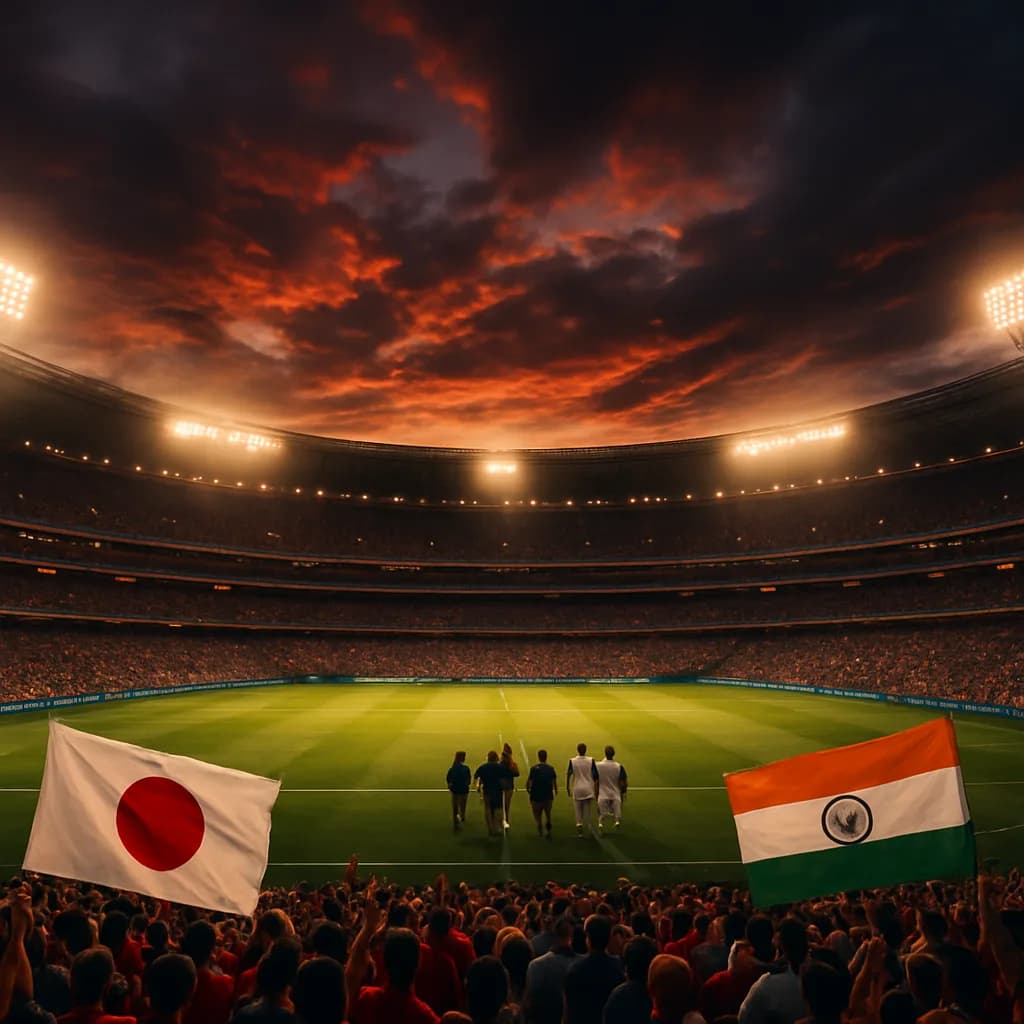
Representative image for illustration
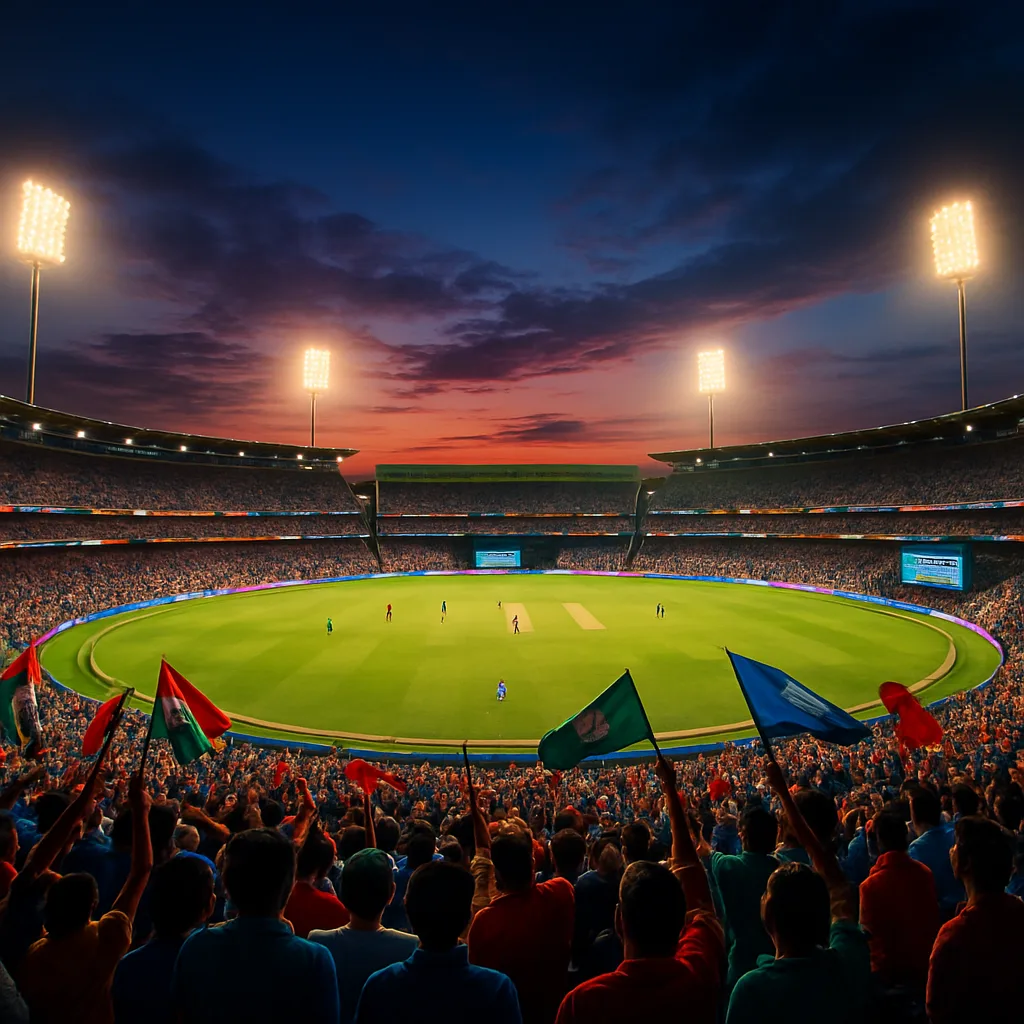
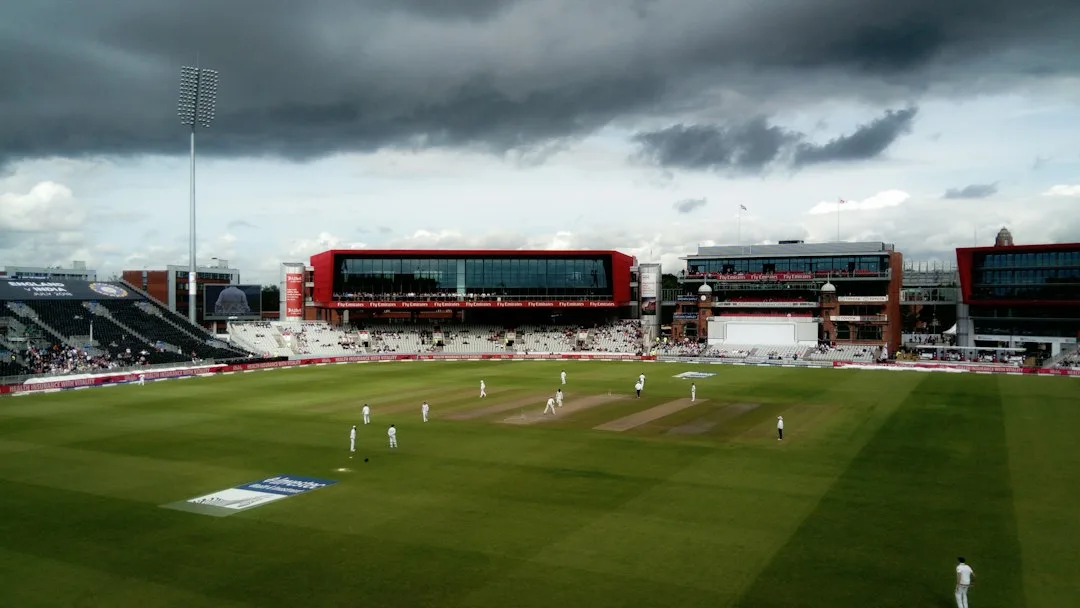
A packed stadium and a national first: today’s match is a test of how fast cricket can stretch beyond its old strongholds. Japan take on India in a genuinely historic test, and it’s a pretty clear sign that cricket is spreading both geographically and commercially. Bottom line: the score matters, sure, but I think the bigger story is whether years of work in a nontraditional cricket country can stand up against a heavyweight when the pressure’s on.
Don’t be surprised if the crowd numbers and media buzz hog the headlines. Folks inside the game tell me that milestone fixtures often force governing bodies and broadcasters to rethink where they put money. The optics matter, and, yes, so does the scoreboard.
Why This Match Matters For Global Cricket
This feels like one of those small-but-real moments when cricket’s map starts to change, inch by visible inch. Officials and development programs have for years pointed to Asia beyond India, Pakistan, Sri Lanka, and Bangladesh as the next frontier, and Japan has been a poster child for that push. You can see it in youth leagues, company teams and school programs across places like Tokyo and Osaka.
On the money side, a competitive game could actually shift where sponsors decide to spend. For governing bodies, a cleanly run fixture gives ammunition to argue for more matches outside the usual markets. Folks inside the sport tell me a single successful event can speed up a five-year plan into something that happens in two. We’ve seen it in other sports, one successful fixture can trigger a regional boom, and that’s the comparison everyone will make.
Growth has trade-offs, though, and that’s where things get interesting. If local leagues get parachuted into big-profile matches without proper grassroots follow-up, the buzz tends to evaporate, I’ve seen it happen. That said, if Japan’s domestic setup shows resilience after this game, it’ll be a practical sign that expansion worked.
One-liner.
How The Teams Match Up Tactically
India turns up deep across bat and ball, packed with players used to high-pressure international and franchise cricket. Japan, meanwhile, tends to bring athleticism and improvisation, they often catch teams off guard with intense fielding and quick running between the wickets. The practical matchup question is simple: who controls the powerplay and the middle overs?
Given India’s experience edge, this one probably comes down to tactics and execution more than any raw skill gap. If Japan can force early wickets and keep run rates down in the middle 10 overs, momentum swings. Conversely, if India piles on an imposing total, Japan’s chase becomes high risk. Which way it goes comes down to discipline and those small execution margins.
Coaches will be eyeing the set pieces, boundary fielding, death-overs plans, and how teams rotate the strike. Those little moments usually decide matches, not the headline batters. Short sentence.
The Real-World Stakes And One Concrete Example
Remember that qualifier where Japan shocked a higher-ranked associate team with brilliant fielding and a late partnership? That was more than a fluke. Officials said such results change selection priorities and funding for training centers. The implication is clear: a single strong showing in a high-visibility fixture can redirect resources.
And yes, there are immediate commercial stakes as well. Broadcasters watching this match will judge viewer interest and decide whether to bid for rights down the line. Sponsors will weigh whether the engagement justifies long-term contracts. Frankly, a lot of these calls are business decisions dressed up as sporting evaluations, and they matter for young players who need steady leagues to grow.
A concrete scenario: imagine Japan holds India to an unexpectedly low total through tight bowling and elite fielding, then chases it with a calm lower-order stand. That result would likely push more bilateral matches into East Asia within 24 months. Or Japan loses heavily and the story becomes a learning moment. Which path unfolds depends on performance and the broadcaster narrative that follows.
Short punch.
Common Questions Fans Will Ask Before, During, And After The Match
Will this be a tight contest or a runaway? My instinct is to expect competitive pockets but also realism about the experience gap. Can this fixture change cricket's map? It can help accelerate attention, but long-term change needs sustained investment in coaching, youth and domestic competition. What should casual viewers look for? Watch fielding intensity, powerplay control and how teams handle spinner-versus-pace matchups.
The problem is public excitement can outpace structural readiness. Officials and analysts will watch to see whether this match becomes a catalyst for a five-year programme or just a one-off media event with little follow-up.
Frequently Asked Questions
Will Japan be able to compete with India in a full international match? Experts say Japan can create competitive moments, especially in short formats, but India’s experience and depth usually make them favorites. Much depends on match conditions and whether Japan can force India into errors.
What should new viewers watch to understand the game's flow? Look at powerplay runs, wicket patterns in the middle overs, and how teams use their best bowlers at the death. Those three snapshots tell you who controlled key phases.
Could this match lead to a regular Japan international schedule? Officials and tournament planners often use landmark fixtures as tests; if logistics and viewership metrics are positive, more fixtures usually follow. The match is a necessary test, not a guarantee.
Practical Takeaway
Watch the powerplay and the middle overs, then judge the broader impact based on subsequent scheduling decisions and funding announcements. If broadcasters report sustained viewership and federations commit to new youth programs in the months after, the fixture will have done its job. The action to take now is simple: if you're a fan, tune in; if you're a grassroots organizer, use the match timing to pitch for coach funding and youth clinics over the next 6 to 12 months.
1) A wide-angle stadium shot at twilight showing a packed crowd, players walking onto the field with national flags from Japan and India visible, warm stadium lights and a dramatic sky.
2) Close-up action shot of a Japanese fielder sliding to stop a boundary, with an Indian batter mid-swing in the background, crisp motion blur and high contrast evening light.
Comments (0)
No comments yet. Be the first to share your thoughts!