
England’s New Test Coach Fleming Wants a Bit of Cr
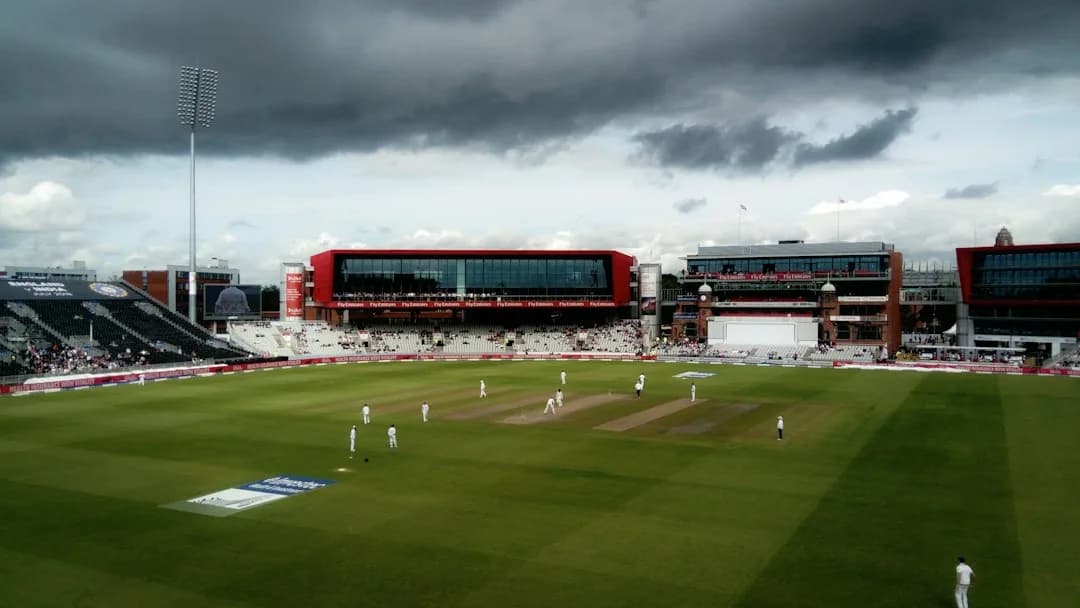
Representative image for illustration
That quirky headline, "Fleming wants a bit of cr", actually nails the mood: people want clarity, control and some plain-old cricketing common sense. In short: Fleming's job is to steady selection, rebuild trust after recent messes, and sharpen Test cricket skills, with numbers and leadership, not headline-chasing moves. Meta
Here's the hook, and it hits fast: Joe Root returned to the captaincy largely because of Fleming’s appointment, according to reporting, and that return is a lever for change rather than a cosmetic shuffle. According to India Today, "Joe Root has revealed that Stephen Fleming's appointment as England's new Test head coach was a major reason behind his decision to return." That matters, because the captain-coach relationship is the main axis of Test-era recovery.
What Fleming said and why the message matters
Officials and reporting indicate Fleming wants steadier selection and a clearer culture. The Sky Sports preview of Fleming's "in-tray" lists immediate priorities including reinvigorating Joe Root, developing Harry Brook, and addressing off-field behaviour such as drinking culture, naming Sam Curran and Rehan Ahmed as contenders to fill the all-rounder gap left by Ben Stokes' retirement (Sky Sports). Frankly, England's set-up has been all over the place on selection and messaging. Experts say a clear coach-led selection policy reduces player churn and improves performance continuity, that’s the core of Fleming’s remit.
A one-liner: selection without a rationale breeds doubt.
Selection and culture changes Fleming can make
Fleming's likely move? Make selection accountable, pick players against clear, measurable goals so choices don't look arbitrary. Sources identify Joe Root and Harry Brook as central figures: Root is back as captain after Ben Stokes' exit and Fleming’s arrival, and Brook was explicitly considered for captaincy but was ultimately not chosen, according to reporting that included comments from Rob Key and Nasser Hussain (Sky Sports). The plan is to manage Brook’s white-ball workload while building his Test craft.
Experts quoted in the media argue that Fleming will need to set short-term performance targets so selection decisions look less arbitrary. The evidence suggests selecting a core 10 to 12 players for a 6- to 12-month Test window helps: it raises collective match awareness and reduces role confusion. So the push will be toward a core group around Root and Brook with clearly defined roles for seamers and spinners. I think that steady core is the only way to stop the revolving-door selection that has plagued England recently.
Immediate performance targets and measurable benchmarks
The snag is measurement: fuzzy goals make for fuzzy results. Fleming will be judged against numbers. Officials and reporting set expectations. For example, selectors have been asked to get more consistency in Test results; the side’s recent Tours record included off-field incidents and mixed on-field outcomes, with calls for earning back public trust after a Brydon Carse incident noted by England captain Joe Root (Sky Sports). A specific measurable target might be a Test series win-rate improvement: if England currently win, say, one in three away series, raising that to one in two within 18 months would be a clear metric. Officials say Fleming must set time-to-performance targets for batting averages and bowling strike rates, and judge selection by those metrics, rather than personality alone (Sky Sports).
Bottom line: targets should be numbers, not vibes.
A concrete scenario: how Fleming might handle a tough touring winter
Imagine a winter Test tour of Australia, where conditions favour pace and patience. Fleming could name a touring party with a core of 10 players kept together for the full Ashes-style challenge, resting white-ball specialists. That group might include Root as captain and Brook as a top-order batter groomed for specific technical adjustments. Sky Sports frames Sam Curran and Rehan Ahmed as likely all-rounder options to replace Stokes in tests (Sky Sports). The truth is, selecting a reliable bowling attack that can adapt to Australian pitches will be Fleming’s practical test, because tours are where selection philosophy meets reality.
If Fleming can get Root to stabilise the dressing room, and if Brook can raise his Test average by a measurable margin, then selection decisions will look prescient not panic-driven.
Risks, trade-offs and a widespread misconception addressed
This is the tricky bit. The common misconception is that coaching alone fixes form. That’s wrong, and sources underline the difference between coaching and structural change. Officials and commentators have said Fleming’s appointment spurred Root’s return, which shows coaching hires influence leadership choices, but they don’t magically change baseline fitness, domestic pipeline quality, or scheduling constraints (India Today; Sky Sports). The trade-off is clear: stricter culture rules can alienate players in the short term, but experts say consistent standards produce better long-term results. Short and blunt: change is painful.
What the media says and official signals
Reporting names specific people and incidents that framed Fleming’s brief. Joe Root’s public comments linked his return to Fleming’s arrival (India Today). England management reacted to off-field incidents by asking the team to "earn back trust of the nation," words attributed to Root after the Brydon Carse matter (Sky Sports). These are authoritative signals that culture matters as much as form. Honestly, I’m interested to see whether Fleming can turn the talk into numbers.
Frequently Asked Questions
Frequently Asked Questions
Q: What is Stephen Fleming expected to change first? A: Fleming is expected to stabilise selection and define roles for key players. Media reporting says reinvigorating Joe Root and developing Harry Brook are immediate priorities (Sky Sports).
Q: Will Fleming pick Sam Curran or Rehan Ahmed to replace Ben Stokes? A: Reports list Sam Curran and Rehan Ahmed as contenders to fill the all-rounder gap, but selectors will use form and match-conditions to decide, not names alone (Sky Sports).
Q: Can a coach fix off-field culture quickly? A: Culture shifts take time, and officials have signalled that England must "earn back trust," which implies a program of behaviour standards combined with performance targets rather than instant cures (Sky Sports).
Actionable takeaway
The immediate action for followers is simple: track three numbers this season, because Fleming will be judged by them. Watch England's Test series win-rate, Joe Root's captaincy-era win percentage, and Harry Brook's Test batting average over the next 12 months, and compare those numbers to the previous 12 months. That gives you a real before and after.
Image prompts
1) A medium-close photograph of Stephen Fleming on a cricket ground, wearing England coaching gear, clipboard in hand, late-afternoon light, coaching staff blurred behind him, candid and focused. 2) A wide shot of an England Test dressing room in mid-discussion, Joe Root at the centre, Harry Brook listening, selectors' notes visible on a table, subdued colors but intense expressions.
Comments (0)
No comments yet. Be the first to share your thoughts!