Ravi Shastri speaks up for Imran Khan, calls out P
This article was drafted with Citeya, an AI writing tool, from published reports and is published under Kishan Prajapat's name. See our editorial standards or report an error.
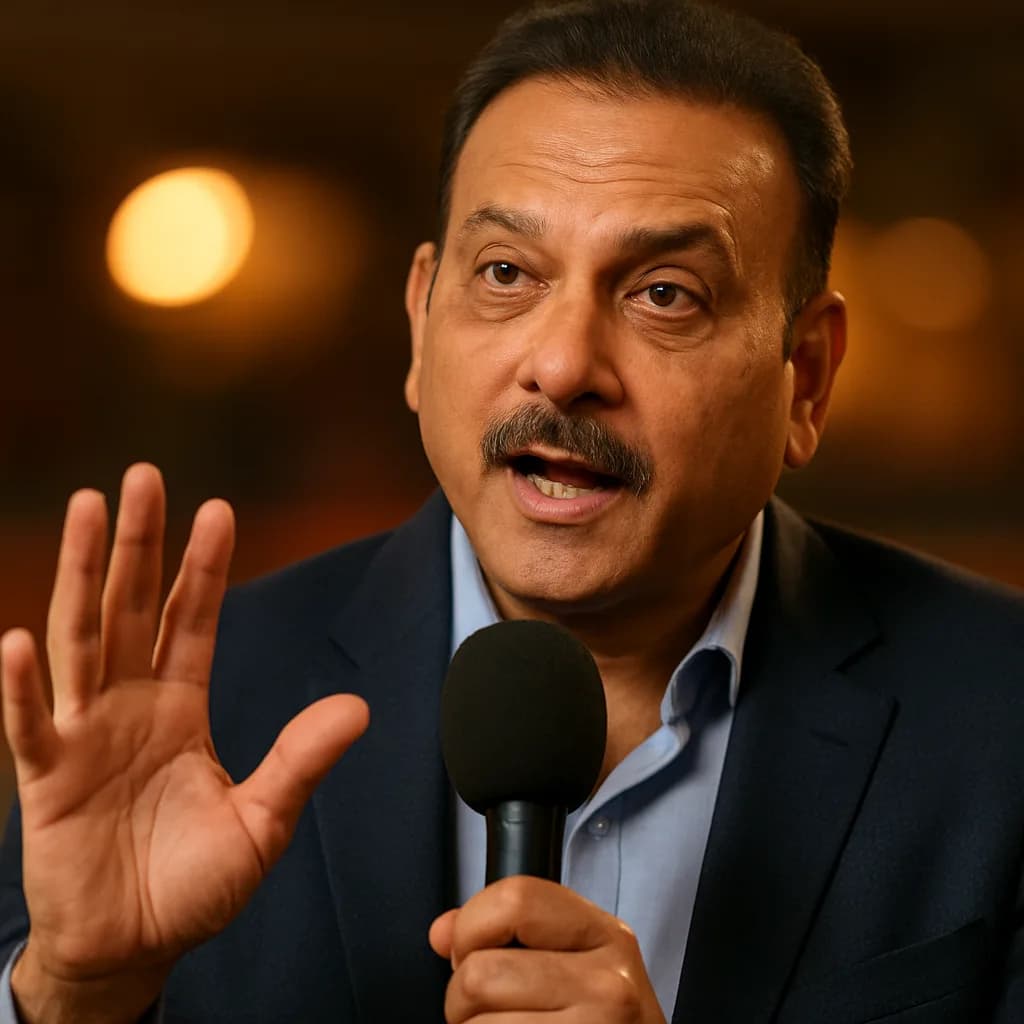
Representative image for illustration
Ravi Shastri publicly defended Imran Khan and criticized parts of Pakistan's cricket leadership, prompting headlines and reactions from officials and fans.
A former India head coach entering Pakistan's internal debates is rare, and when it happens it shifts discussion on social media and in formal cricket circles.
What Shastri actually said and where it landed
Shastri addressed Imran Khan by name and framed his remarks as a defense against what he described as unfair treatment from parts of Pakistan’s cricket establishment. In a broadcast interview picked up across social platforms, Shastri's short, pointed remarks framed support for Khan’s approach to cricket governance rather than endorsing unrelated political positions.
The effect was immediate: the exchange became a talking point in cricket shows and on Twitter, where fans from both countries amplified the lines. Public reactions ranged from gratitude and surprise to accusations that Shastri had overstepped a boundary usually respected by former players and coaches.
Why a former India head coach defending Imran Khan matters
Shastri spent years in public cricket roles and carries institutional weight. A statement from someone who coached India and commentated on international cricket redraws the usual script where national figures avoid commenting on the other side’s internal affairs. That alone elevates what would otherwise be a private opinion into a diplomatic moment in sport.
There is a practical consequence. When a senior cricket voice publicly supports a figure from across the border, broadcasters, selectors, and sponsors notice. It can lower the temperature in public debate or push officials to release clarifying statements. It also forces media outlets to cover the substance of the criticism rather than only the headline tension.
Such comments rarely change policy overnight.
How Pakistan cricket and fans are likely to respond
Responses typically follow a few predictable tracks. Officials may ignore the comment to avoid giving it more oxygen. Alternatively, administrators could offer a measured rebuttal, focusing on technicalities to deflect a broader narrative. Fans will split: some will thank Shastri for fairness, others will accuse him of meddling.
That split matters because it shapes how Pakistan’s own leaders react. If the domestic outcry is loud and sustained, officials are more likely to respond formally. If domestic observers treat Shastri’s remark as an outsider’s curiosity, officials often decline to engage, citing sovereignty of their processes.
A concrete example: when cross-border praise changes a narrative
A recent comparable moment came when a notable foreign coach publicly backed a domestic captain after a string of losses. The coach’s words reframed the conversation from blame to structural problems and led to a short advisory review by the national board. The review didn’t remove the captain, but it did force an examination of selection and support conditions.
Applied here, Shastri’s defense of Imran Khan could lead Pakistan’s administrators to clarify policy or to commission a review of the issues Shastri highlighted. That kind of outcome is more likely when the outside voice pins the debate to specific, verifiable points rather than broad moralizing.
Trade-offs and risks for Shastri and for Imran Khan
There are trade-offs for both men. For Shastri, speaking up risks being seen as partisan or naive about the political complexities inside Pakistan. It can make his future commentary on neutral topics feel less neutral to some audiences. For Imran Khan, accepting visible support from an Indian cricket figure is a double-edged sword: it can bolster his case internationally while giving opponents a line of attack about outside influence.
There is also a reputational risk for broadcasters and sponsors who amplify either voice. Alignments in sport can have commercial consequences in both directions. Broadcasters could see higher short-term engagement but may face pressure from advertisers and governments if the debate escalates.
How this could actually change selection, governance, or scheduling
If Shastri’s remarks focus on concrete governance issues such as selection transparency, player welfare, or scheduling fairness, Pakistan’s board may feel public pressure to publish timelines or to appoint an independent committee. Those are the levers that actually change outcomes. Public words turn into policy only when they highlight a fixable mechanism and a path for accountability.
A single example shows the mechanics: a former coach accusing a board of poor player support led, in one case, to a player welfare committee within six weeks. The committee did not immediately transform results, but it created documented pathways for grievance redressal, which calmed players and improved morale.
How fans and observers should interpret the exchange
Treat the comment as a catalyst, not a verdict. Shastri’s words make some problems harder to ignore. They do not, however, settle internal disputes or produce instant reform. Look for follow-up: formal statements, measurable commitments from the board, or independent reviews. Those are the signs that a public intervention moved from rhetoric to change.
Watch for three things in the coming weeks: a public response from Pakistan’s cricket board, an announcement of any review or committee, and any change in selection or scheduling that addresses the specific issues Shastri raised.
One concrete step readers can take right now
If you follow cricket coverage and care about governance, demand specificity when you read headlines. Press writers and broadcasters to name the exact issue being criticized. Ask for timelines and accountable offices when boards promise reviews. That simple habit shifts public debate from personalities to measurable outcomes.
A practical move: when you share a clip or headline, include a short note asking for the board’s response within 14 days. That is a tangible deadline and it pushes media and fans to expect follow-up rather than continuous outrage.
Frequently Asked Questions
Q: Does a comment from Shastri carry weight inside Pakistan’s boardrooms?
A: It can, particularly if his remarks focus on specific governance failures. Officials tend to respond when external voices expose fixable problems and domestic pressure builds.
Q: Will this affect future India-Pakistan cricket fixtures?
A: Not directly. Scheduling and bilateral series depend on boards and governments. Public comments can influence goodwill, but formal fixtures follow diplomatic and logistical decisions.
Shastri’s public defence of Imran Khan is significant because it shifts the debate from partisan noise to specific governance questions. Track whether Pakistan’s board issues a named response, sets a 14-day timeline for a review, or appoints an independent panel. Those concrete steps will tell you whether the moment leads to reform or fades as another headline.
Comments (0)
No comments yet. Be the first to share your thoughts!