'No chance of winning World Cup': Kris Srikkanth l
This article was drafted with Citeya, an AI writing tool, from published reports and is published under Kishan Prajapat's name. See our editorial standards or report an error.
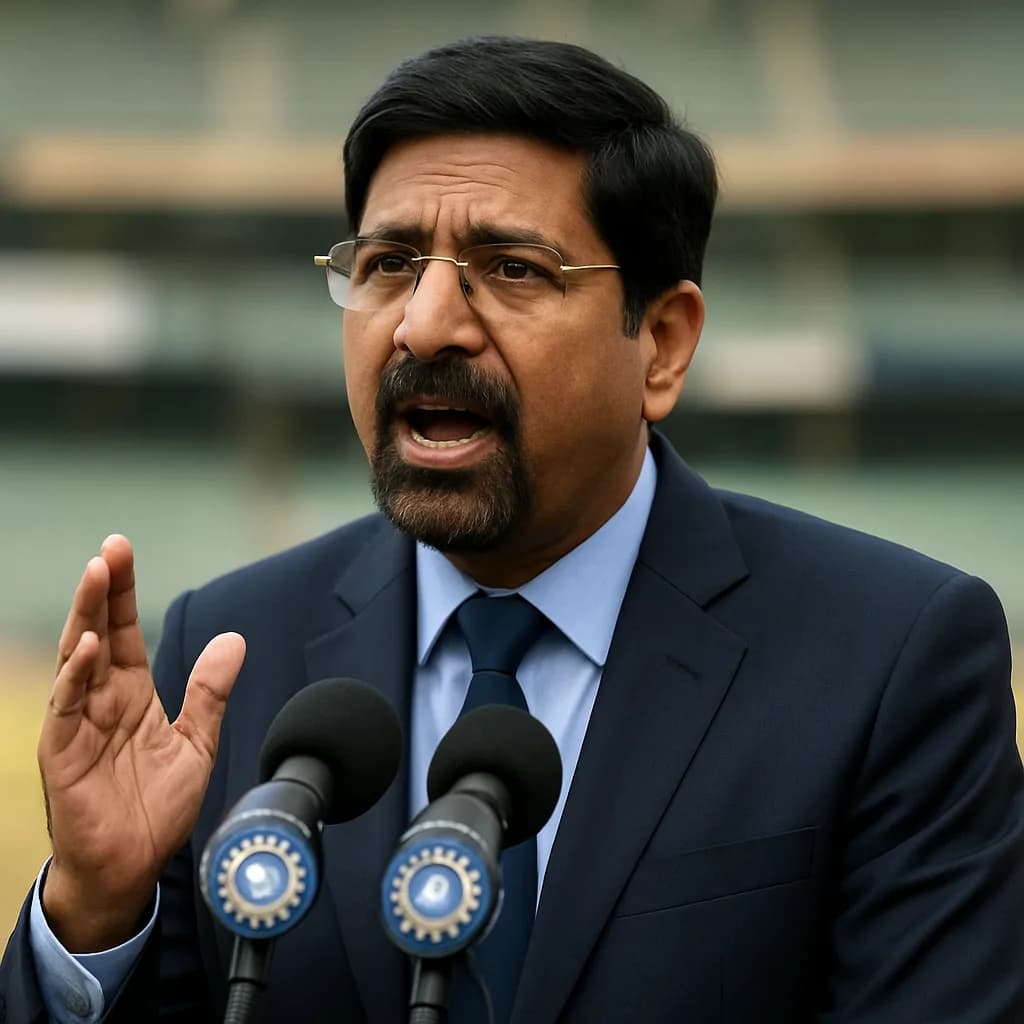
Representative image for illustration
TL;DR: Former India captain and selector Kris Srikkanth has warned that India’s current selection and middle-order issues make the team vulnerable and could leave them with "no chance of winning" a major tournament unless changes happen; his critique centers on inconsistent batting form, contrasting treatment of players, and management choices ahead of the 2027 ODI World Cup cycle. For fans, watch selection clarity, middle-order runs, and how senior players are backed.
Kris Srikkanth is an authoritative voice in Indian cricket history, having captained India and served as chief selector. He has recently aired sharp criticism of Team India’s batting strategy and selection policy, saying the team’s middle order is exposed after a high-profile defeat and questioning why management backs some players over others, according to press reports quoting him on specific selection decisions and match aftermaths The Times of India and Moneycontrol.
Why Kris Srikkanth is warning about India’s World Cup prospects
Srikkanth’s case rests on recent results and what he sees as misaligned selection signals from the team management. He publicly laid blame on India’s batting strategy after an upset loss (described in reports as an "Ireland shocker"), arguing that the middle order’s form and approach left the side vulnerable in a way that would hurt them in tournament cricket if unchanged Moneycontrol. At the same time he has questioned decisions where younger players appear to get contrasting treatment compared with other experienced options, a topic he raised when comparing Abhishek Sharma and Sanju Samson Yahoo Sports.
Selectors are concerned because recent performances show inconsistency in the middle order.
What Srikkanth criticized: selection, middle order and management decisions
Srikkanth has named issues on two fronts: who gets consistent backing from management, and how the batting order is constructed when senior players are available. He asked directly why the team management backs Abhishek Sharma while appearing not to back Sanju Samson, a point discussed in recent coverage of his comments Yahoo Sports. He also expressed alarm at the middle order after India’s shock defeat, implying the batting strategy and personnel mix would be exposed in big tournaments Moneycontrol.
A concrete example: Sanju Samson, Abhishek Sharma and the opener question
The contrasting treatment Srikkanth flagged helps make his argument concrete. Reporters cite him questioning why Abhishek Sharma received clear backing while Samson’s spot appeared uncertain Yahoo Sports. Samson has been at the centre of selection debate, and inconsistency at No. 4 or 5 can decide knockout matches. Sanju Samson’s recent form has been criticized in mainstream coverage, with one outlet describing his consistency problems and comparing him unfavorably to Ishan Kishan, which underlines why selectors face pressure to pick a stable middle order Hindustan Times.
Before-and-after benchmark: KL Rahul’s ODI centuries
KL Rahul has nine ODI centuries, a concrete metric reporters cite when judging selection impact on match outcomes Yahoo Sports. If opening partnerships and the top order provide starts but the middle order repeatedly fails to convert, the team’s net tournament winning probability drops. That pattern helps explain Srikkanth’s urgency: wins in World Cups are often decided by middle-order innings that cross 60–80 runs under pressure, not only by top-order centuries.
Trade-offs selectors face and what different choices cost
Selectors must balance form, experience, and future planning. Backing a young player like Abhishek Sharma may prioritise long-term upside, while keeping veterans such as Ravindra Jadeja or Rohit Sharma and Virat Kohli on the plane focuses on proven match winners for a specific tournament window. Srikkanth has explicitly supported holding senior names in the 2027 World Cup picture, urging not to judge Rohit Sharma and Virat Kohli solely by age as they prepare for the 2027 cycle India Today. The trade-off is real: prioritising veterans can reduce room for younger talent, but replacing them prematurely risks losing finished skills that perform under knockout pressure.
A specific player example shows the cost. Ravindra Jadeja drew public defence from former captains for his place in future World Cups, suggesting selectors face a choice between current all‑format value and managing workload into 2027 Times of India. Picking Jadeja buys experience in bowling and middle-order batting; releasing him opens a slot for a specialist batter or bowler but may lose a balance-making all-round option.
How India could respond before the 2027 ODI World Cup
Three practical steps stand out from the criticism and from standard selection logic. First, set a clear selection policy and communicate it so players know whether the team is prioritising youth or experience; Srikkanth’s public questioning shows inconsistent signals create controversy and confusion Yahoo Sports. Second, demand sustained middle‑order runs in international windows rather than one-off explosions in domestic leagues; press coverage of Samson’s inconsistency illustrates why selectors are nervous Hindustan Times. Third, manage senior players’ workload but keep them match-ready for the 2027 window, as Srikkanth suggested by backing Rohit Sharma and Virat Kohli into that campaign India Today.
Caveat: punditry, public heat and selection disagreement
Public critiques are part of cricket culture. Srikkanth’s blunt tone has drawn rebuttals from peers in the game, and other former players and management may disagree about the right mix of youth and experience Moneycontrol. Reporters noted that his remarks sometimes sparked heated exchanges with fellow ex-players. That means fans should treat punditry as a prompt for questions, not definitive team policy.
Practical takeaway you can act on immediately
Watch three indicators in upcoming series: whether the board and selectors publish a clear short-term selection policy; whether the middle order posts repeated 50-plus partnerships under pressure; and whether senior leaders are being rested strategically or pushed out entirely. If the selectors and management address those three items in the next 12 months, Srikkanth’s warning becomes less likely to prove accurate. If they don’t, public debate, like Srikkanth’s, will grow louder and more consequential.
Comments (0)
No comments yet. Be the first to share your thoughts!