
Nepal Cricket Team Returns After Impressive Asian Performance
This article was drafted with Citeya, an AI writing tool, from published reports and is published under Kishan Prajapat's name. See our editorial standards or report an error.
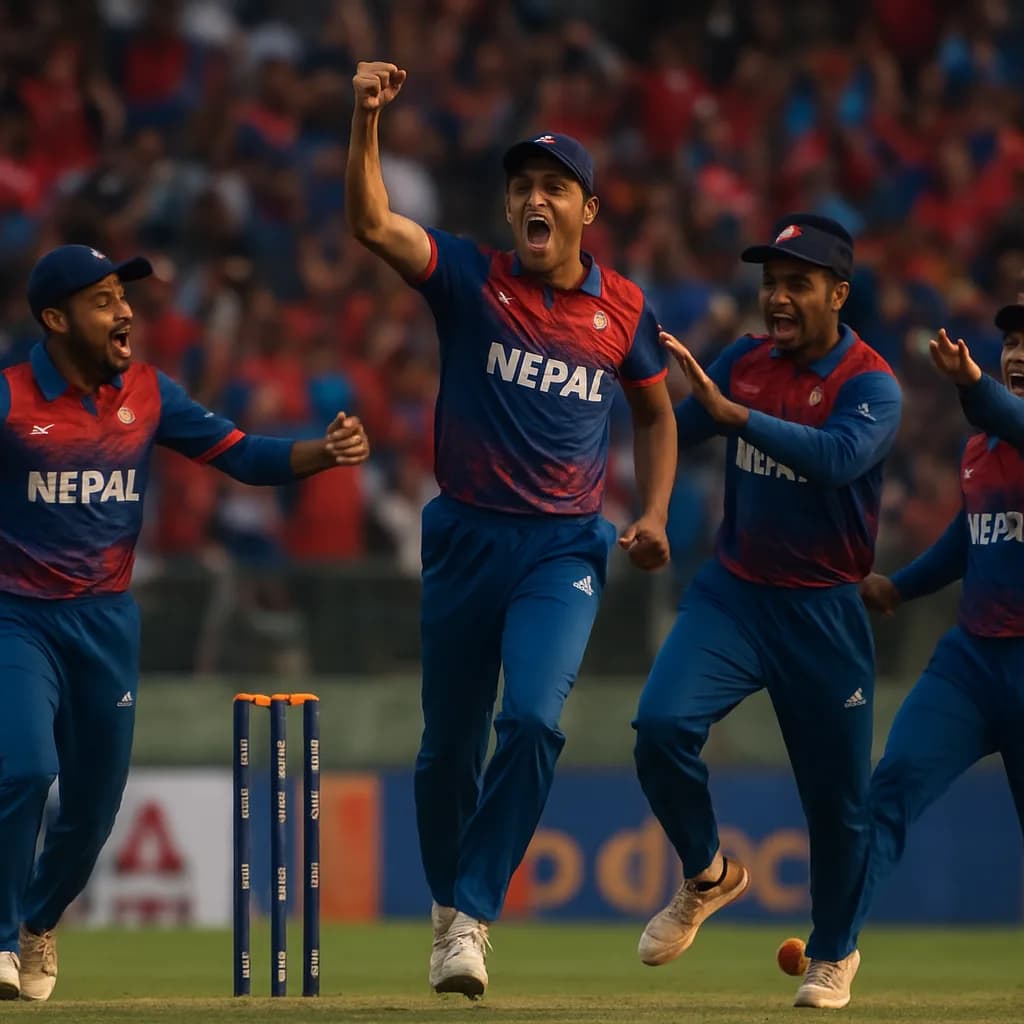
Representative image for illustration
TL;DR: Nepal returned from Asia having shown deeper batting, smarter spin, and sharper fielding. Turning that momentum into lasting progress will require regular fixtures, more coaching investment, stronger domestic competition, and clearer talent pathways.
Nepal returned from Asia with wins and competitive performances that reflected growing confidence. The squad arrived back with wins and competitive performances that showed measurable improvement in batting across the top six, more control from spinners, and tighter work in the field. For supporters the change is visible. For administrators it presents a short window to turn momentum into durable development.
What changed in Nepal's setup during the Asian event
The most notable change was a shift in how the team balanced aggression and risk management. Batters earlier prone to trying to force boundaries now paced innings better, rotating the strike and picking specific overs to accelerate. Bowlers, especially the spinners, spent more time attacking specific batsmen and bowling planned lines rather than relying on pace alone. Coaching also appeared more focused on match simulation and fielding drills. Those adjustments are practical and achievable with clearer session plans and more match-intensity training.
One clear sign of tactical improvement was the use of a fourth or fifth bowler to exploit match-ups late in the innings. Where Nepal once depended on two or three standout quicks, the rotation of bowlers gave the captain more options and kept opposition batters unsettled.
Performance highlights and a specific match example
In a recent group match against a higher-ranked Asian opponent, Nepal recovered from an early collapse to post a competitive total thanks to a middle-order partnership. The pair worked singles and twos against good-length bowling, then finished strongly with late power hitting. On the bowling side, a spin-heavy middle overs block claimed two late wickets to turn the game. That match highlighted two practical strengths: improved batting depth and a clearer plan for spin bowling in middle overs.
Before the Asian event, Nepal struggled to post defendable totals consistently. After the event, the team managed to post and chase targets with fewer collapses and better situational awareness. The before/after comparison is not perfect, but the pattern of fewer early collapses and more controlled middle overs is real.
Why the results matter: rankings, exposure, and funding
Strong continental results matter for three reasons. First, they improve confidence inside the dressing room and give young players belief they can perform under pressure. Second, they increase visibility with regional broadcasters and sponsors. Third, they strengthen Nepal’s case with international governing bodies and donors when seeking funding for coaching, domestic leagues, and facilities.
Cricket boards allocate resources where returns look likely. A strong showing in Asia translates to more televised matches, which is persuasive for sponsors. That funding can pay for better domestic tournaments and coaching clinics. If administrators do not convert performances into investment plans, the momentum will wane.
How Nepal can convert short-term gains into long-term progress
Sustaining improvement requires three linked actions. First, schedule more frequent international fixtures, especially against higher-ranked teams, so players face pressure often. Second, invest in a domestic calendar that includes a high-intensity T20 or 50-over competition with guaranteed match time for emerging talent. Third, formalize a coaching pipeline so successful match strategies from the Asia event become standard practice across age groups.
A practical step is to set a 12-month development plan with measurable targets: number of international fixtures, domestic matches per player, and fielding error rates per match. That keeps the focus on outcomes rather than just wins. Administrators will need to balance immediate costs against projected gains in sponsorship and player retention.
Trade-offs and a realistic caveat about consistency
There is an inevitable trade-off between chasing short-term wins and building depth. Prioritizing senior-team success might improve rankings quickly but risks starving youth development of match time. The opposite is also true: investing heavily in under-19 and A-team structures delays senior breakthroughs.
Readers should beware of reading a single tournament as proof of a permanent turn. Small nations often show spikes of performance tied to a golden generation or a favorable schedule. Consistent progress requires maintaining coaching quality, limiting turnover in selection policy, and protecting young players from burnout. Without those measures, the same team can regress as quickly as it rose.
Momentum must be turned into systems if gains are to last.
Practical next steps for fans, administrators, and players
Fans can help by increasing match attendance and engaging with local club cricket, which raises gate receipts and attracts sponsors. Administrators should prioritize a clear calendar that guarantees at least 10 high-quality domestic matches per player each year and pursue bilateral series with neighboring test-playing countries. Players should focus on situational skills most rewarded at international level: reducing dot-ball pressure when batting, improving arm strength and accuracy in fielding, and expanding the spin bowler’s repertoire for middle overs.
An example: raise a young batter from three to five competitive matches per month and add two targeted coaching sessions weekly; that schedule can measurably improve match temperament within six months. That level of specificity helps boards and coaches budget time and money.
One significant caveat about expectations: scheduling and funding depend on external factors such as broadcast agreements and regional calendars. Promising to play more matches is easy. Securing broadcast income to pay for travel and coaching is harder. Administrators need contingency plans that include local sponsorship drives and community fundraising for clinics.
Frequently Asked Questions
Q: Will one Asian tournament result change Nepal’s ICC ranking immediately? A: Short-term ranking movement is possible after a continental event, but lasting ranking improvement requires sustained wins over a year of fixtures across formats.
Q: Which area should Nepal invest in first, youth or senior team? A: A two-track approach works best: protect a core senior squad for continuity while expanding competitive opportunities for under-19 players to create depth within two to three years.
A final actionable takeaway you can use today
Support the domestic game: attend a local match, follow a domestic competition online, or donate to a coaching clinic. Those actions increase resources and pressure administrators to lock in the match schedules that convert impressive continental form into long-term growth. That simple step helps ensure the Nepal cricket team’s return after impressive Asian performances becomes the start of a sustained rise rather than a short-lived flash.
Comments (0)
No comments yet. Be the first to share your thoughts!