Jos Buttler Injury Derailed England as Sri Lanka Seize Control
This article was drafted with Citeya, an AI writing tool, from published reports and is published under Kishan Prajapat's name. See our editorial standards or report an error.
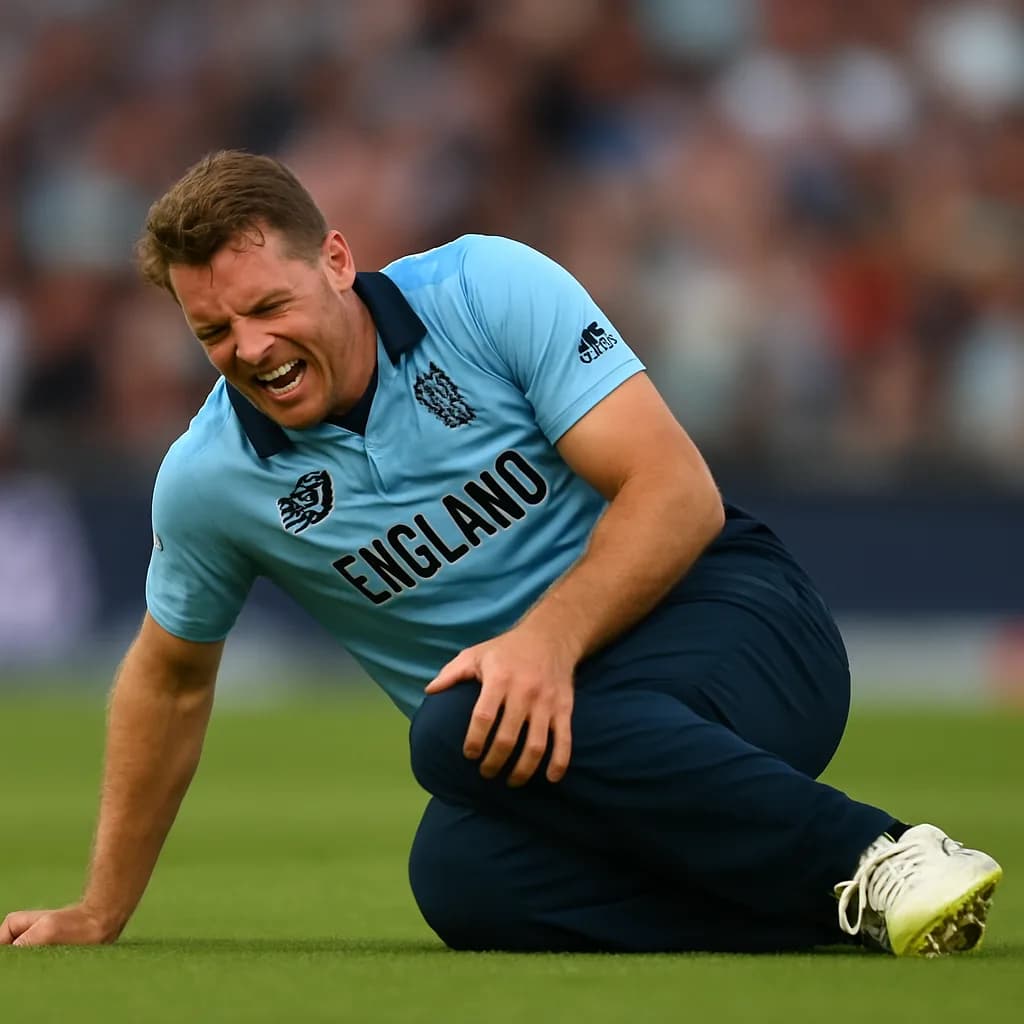
Representative image for illustration
A hamstring problem to Jos Buttler forced England into last-minute changes, and Sri Lanka won the second ODI as a direct result, shifting the Metro Bank One-Day Series balance.
TL;DR: Buttler’s hamstring problem knocked the wind out of England’s plans, Sri Lanka pounced, won the second ODI and suddenly the short series didn’t look so comfortable for England. Jos Buttler injury derails England as Sri Lanka se is the focus here, and the piece explains what happened, why it mattered, and what England should do next.
How the injury unfolded and the immediate match impact
It wasn’t an isolated mishap. Reports show Buttler suffered a hamstring issue that removed him from England's playing XI and left a gap at the top of the order and as wicketkeeper, which forced tactical adjustments that didn't work out on the field, according to local coverage of the defeat in the second ODI and updates before the third match (Daily Echo, Yahoo Sports).
Lose a captain-level batter who also keeps and you break more than one link in the chain. England's batting depth was already under test after Adil Rashid was ruled out of the series with a hand injury, which meant England were missing key specialists and had less flexibility in match situations (AP via Yahoo Sports). That double-hit of injuries is not a small problem; it changes match-ups, overs allocation, and even fielding positions.
Why England's plans fell apart, and the wider squad issues
England scrambled their batting order and handed spots to players with less white-ball seasoning. Officials said Buttler's absence affected wicketkeeping duties as well as the ability to anchor chase scenarios. The problem is, England's bench strength looked thin once two senior players were unavailable, and that showed in the field. The Metro Bank One-Day Series suddenly felt like a tougher proposition.
England do have modern depth, but losing Buttler and Rashid together at short notice brutally exposed holes in their ODI setup. Experts say selection continuity matters more than raw talent when mid-series injuries arrive, because roles are pre-assigned and batting partnerships built over practice time break down once personnel shifts. That's exactly what happened here, per the match reports and injury updates cited above. I think teams often underestimate how quickly small role changes ripple across a playing XI.
Sri Lanka's tactics, match result and concrete stats
Sri Lanka smelled blood and bowled and fielded like they meant it, England simply had too many gaps to plug on the day. The Daily Echo reported that the hamstring injury to Buttler scuppered England's hopes and helped Sri Lanka to victory in the second ODI, a decisive result in a short series (Daily Echo). Sri Lanka won that match and took control of the Metro Bank One-Day Series.
Match result details and player numbers are part of the public record and were covered by local outlets that tracked how England's innings folded without Buttler stabilizing the order. According to the pre-match update and the reporting around the third ODI, the series was meant to be three ODIs, with the third being affected by Buttler's injury status (Yahoo Sports). That matters because in a three-game set, a single win can decide the series momentum.
One stat makes the point bluntly. He recently became the first batter to pass 15,000 T20 runs, moving past Kieron Pollard on the all-time list, which signals his elite scoring capacity and the loss his absence presents in limited-overs cricket (Yahoo Sports). That 15,000 figure is a clear indicator of the batting weight England missed when he was ruled out.
What this means for England selection and the next ODI
Expect the coaching staff to go back to the drawing board on workload and rotation. The evidence suggests rotation needs to be balanced against the risk of depleting match-specific skillsets. The England management faces a trade-off: rest players to preserve fitness for future tournaments, or play them more to keep the immediate bench sharp. Experts often press for a middle path, but the match outcome here proves there's no perfect answer. Honestly, I’d rather see clear role backups named before the next short series.
Additionally, the ICC concussion substitution rules and other match regulations alter how teams can adapt mid-game, as recent reporting explained where Sri Lanka used a concussion sub option in other matches; teams must be comfortable with sudden in-game changes under these rules (Yahoo Sports on concussion sub and ICC rules). That's relevant because squads now routinely prepare contingency plans for sudden player loss.
A specific scenario breakdown you can picture immediately
Imagine England batting first in the second ODI with Buttler at number three. He pulls a hamstring during warm-up, he withdraws, and a less-experienced player moves up. That player gets early pressure from Sri Lanka's new-ball bowlers and England loses two top-order wickets inside ten overs. The chase looks different, field placements shift, Rashid's absence denies England a specialist leg-spin option to break partnerships, and Sri Lanka end up winning. That's not hypothetical; match reports say the hamstring problem led to just this kind of unraveling (Daily Echo, AP via Yahoo Sports).
A comparison helps here. Before the injuries, England's limited-overs plan relied on specialist roles and a stable top order. After the injuries, the plan looked like a makeshift T20 side in an ODI, the balance was off, and opponents sensed it. It's like a clock with two key gears removed, it doesn't keep time the same way.
Addressing a common misconception
A widely-held misconception is that individual brilliance alone wins one-day matches. The evidence suggests otherwise, and the England case reinforces that team composition, role clarity, and match readiness matter as much as superstar presence. Match reports and squad medical updates show injuries to leaders like Buttler have outsized tactical effects beyond the runs they would have scored (Daily Echo, Yahoo Sports).
Frequently Asked Questions
Frequently Asked Questions
Q: What exactly happened to Jos Buttler ahead of the third ODI? A: Reports say Buttler suffered a hamstring injury that ruled him out and forced England to change their wicketkeeping and batting line-up, which impacted the second ODI result and preparations for the third (Daily Echo, Yahoo Sports).
Q: How long will Adil Rashid be out of the series? A: Officials reported Adil Rashid will miss the entire ODI series against Sri Lanka because of a hand injury, removing a specialist spinner from England's options (AP via Yahoo Sports).
Q: Does this loss change England's longer-term white-ball plans? A: The defeat highlights squad depth and rotation challenges; experts say management will likely reassess workload plans and bench readiness, especially with short series that magnify the effect of single injuries (Yahoo Sports on match rules and squad changes).
Actionable takeaway
The immediate action for England is simple: prioritize a concise fitness review and name contingency specialists into the squad for the next ODI, then rehearse those altered roles in the nets so replacements aren't guessing under match pressure. Jos Buttler injury derails England as Sri Lanka se should push team management to have role-ready backups and ready-to-play wicketkeeping options in short series.
Comments (0)
No comments yet. Be the first to share your thoughts!