India's Opponents in the Asian Games 2026 Semi-Final: What We Know
This article was drafted with Citeya, an AI writing tool, from published reports and is published under Kishan Prajapat's name. See our editorial standards or report an error.
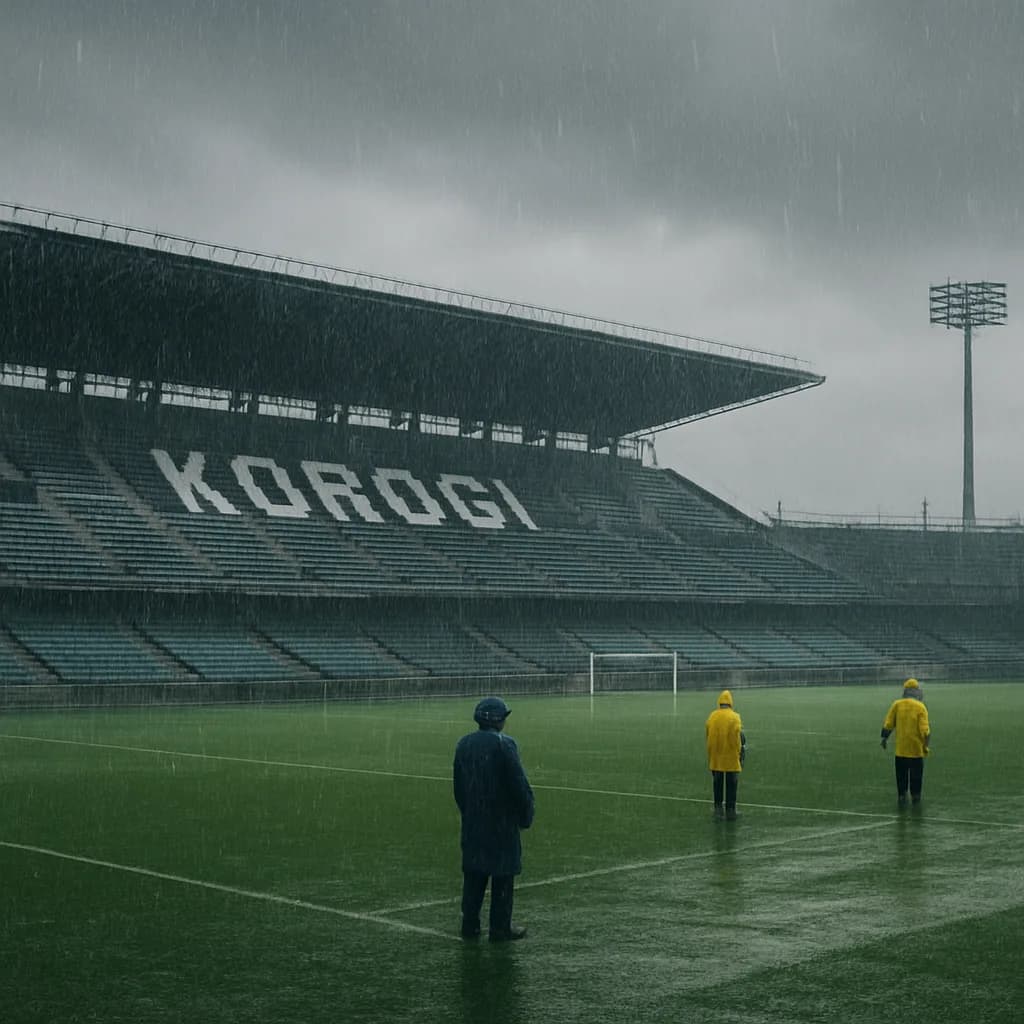
Representative image for illustration
Short answer: reporting so far does not name a confirmed opponent for India in the Asian Games 2026 cricket semi-final because rain left the quarterfinal unresolved. A quarterfinal at Korogi Sports Park in Nisshin was disrupted by persistent rain, and news coverage focused on the washout rather than a completed bracket or a named India semi-final opponent [https://timesofindia.indiatimes.com/sports/asian-games-2026/rain-ruins-indias-asian-games-cricket-quarterfinal-fans-left-with-far-off-view-of-players/articleshow/134554712.cms].
What the reporting so far actually says
According to coverage of the match-day at Korogi Sports Park in Nisshin, persistent rain prevented normal play and left spectators with only a distant view of players. The Times of India piece describes ground conditions and the interruption to India's quarterfinal [https://timesofindia.indiatimes.com/sports/asian-games-2026/rain-ruins-indias-asian-games-cricket-quarterfinal-fans-left-with-far-off-view-of-players/articleshow/134554712.cms]. The article concentrates on the washout and immediate fan experience; it does not publish a completed result that would lock in India’s semi-final opponent.
Why weather and tournament procedures matter for who reaches the semi-final
In multi-team tournaments, a match abandoned because of rain can be resolved in several ways: a reserve day replay, a calculation based on group-stage standings, or a tie-breaking rule specified by the competition's playing conditions. Contemporary press coverage of the Asian Games cricket fixtures emphasises match interruptions; the available article focuses on the washout rather than reporting a post-game conclusion that would determine the next opponent [https://timesofindia.indiatimes.com/sports/asian-games-2026/rain-ruins-indias-asian-games-cricket-quarterfinal-fans-left-with-far-off-view-of-players/articleshow/134554712.cms].
A single weather event can therefore change the bracket. That matters because the identity of India’s semi-final opponent depends on an officially completed quarterfinal result. Without a published result, any claim about the semi-final opponent would be speculative and not supported by the cited reporting.
One clear example from these Games shows how narrow sporting narratives can get when outcomes are unresolved. The Games have produced dramatic finishes and detailed statistics in other sports: Esha Singh’s event required 25 extra shots and two shoot-offs before she won silver in a high-pressure sequence that the Times of India described with those exact numbers, and Savitha Shri scored 9 points in 10 games while winning individual gold at the Chess Olympiad (reports from the same period show how reporters foreground precise match data when it exists) [https://timesofindia.indiatimes.com/sports/asian-games-2026/25-extra-shots-two-shoot-offs-and-silver-esha-singhs-dramatic-asian-games-comeback/articleshow/134554920.cms] [https://timesofindia.indiatimes.com/sports/chess/savitha-shris-chess-olympiad-gold-demands-a-closer-look-beyond-the-stunning-9/10/articleshow/134554626.cms]. Those articles include exact counts because the contests reached a definitive resolution; the cricket quarterfinal article does not contain a completed-score number because play was interrupted [https://timesofindia.indiatimes.com/sports/asian-games-2026/rain-ruins-indias-asian-games-cricket-quarterfinal-fans-left-with-far-off-view-of-players/articleshow/134554712.cms].
A before/after benchmark: completed matches vs interrupted fixtures
Before: when a knockout match finishes, outlets publish the scoreline, winner, and next opponent. Times of India pieces about decisive performances in these Games include crisp match stats such as "25 extra shots" and "two shoot-offs" for a single event day, which reporters used to explain who advanced and why [https://timesofindia.indiatimes.com/sports/asian-games-2026/25-extra-shots-two-shoot-offs-and-silver-esha-singhs-dramatic-asian-games-comeback/articleshow/134554920.cms].
After: when rain prevents play, a headline and early dispatches typically describe the disruption and the uncertainty that follows. The Korogi Sports Park story describes handshakes and a largely inactive matchday rather than a completed bracket result, leaving India’s semi-final opponent unspecified in the public record cited here [https://timesofindia.indiatimes.com/sports/asian-games-2026/rain-ruins-indias-asian-games-cricket-quarterfinal-fans-left-with-far-off-view-of-players/articleshow/134554712.cms].
Trade-offs and what that means for readers
For certainty about India’s semi-final opponent, wait for the official results. Relying on early match-day reports risks error because journalists often report conditions and interruptions first, and definitive brackets only after a result is recorded. The trade-off is speed versus accuracy: live social updates can be fast but incomplete; verified press articles and the official tournament bulletin are slower but final.
An added nuance comes from statements by officials and veteran players in other sports at the Games; for example, former Malaysia hockey captain Mirnawan Nawawi warned against underestimating Korea, a remark that illustrates how team status and preparation get discussed publicly when fixtures are certain, but those kinds of observations are separate from the concrete bracket question and do not determine cricket outcomes [https://www.nst.com.my/amp/sports/hockey/2026/09/1543679/do-not-underestimate-korea-mirnawan-warns-speedy-tigers].
How a single washout can change opponents: a concrete scenario
For example, a quarterfinal with India (Team A) versus another side (Team B) can be abandoned by heavy rain. Tournament rules could move the spot in the semi-final to the team that finished higher in pool play, or to the team designated via a reserve-day contest, or to the winner of a tie-break method specified in the event regulations. That exact sequence is why the Korogi Sports Park article stops at reporting the interruption rather than naming who progressed: the match outcome that would create India's semi-final opponent was not completed or announced in that dispatch [https://timesofindia.indiatimes.com/sports/asian-games-2026/rain-ruins-indias-asian-games-cricket-quarterfinal-fans-left-with-far-off-view-of-players/articleshow/134554712.cms].
What you should do next (practical steps)
1) Check the official Asian Games cricket results page or the tournament bulletin for the completed quarterfinal result. Organising bodies publish final brackets and official match reports first. The reporting sampled here focuses on disruption and dramatic individual performances elsewhere in the Games, not bracket confirmation [https://timesofindia.indiatimes.com/sports/asian-games-2026/rain-ruins-indias-asian-games-cricket-quarterfinal-fans-left-with-far-off-view-of-players/articleshow/134554712.cms] [https://timesofindia.indiatimes.com/sports/asian-games-2026/25-extra-shots-two-shoot-offs-and-silver-esha-singhs-dramatic-asian-games-comeback/articleshow/134554920.cms].
2) If you follow real-time updates, prefer verified feeds: an official event account, the sport’s federation, or accredited press agencies, because they will correct or replace early, uncertain reports with confirmed results. A contemporaneous example of how detailed reporting looks once results exist comes from the chess and shooting pieces that carry numeric match data and medals information [https://timesofindia.indiatimes.com/sports/chess/savitha-shris-chess-olympiad-gold-demands-a-closer-look-beyond-the-stunning-9/10/articleshow/134554626.cms] [https://timesofindia.indiatimes.com/sports/asian-games-2026/25-extra-shots-two-shoot-offs-and-silver-esha-singhs-dramatic-asian-games-comeback/articleshow/134554920.cms].
3) If you need the semi-final opponent for planning, for example, booking travel or scheduling a watch party, delay nonrefundable arrangements until the official bracket is posted. The quarterfinal article shows how quickly a fixture can become unsettled by weather conditions and how early reports may not settle the bracket [https://timesofindia.indiatimes.com/sports/asian-games-2026/rain-ruins-indias-asian-games-cricket-quarterfinal-fans-left-with-far-off-view-of-players/articleshow/134554712.cms].
A caution about common misconceptions
A common mistake is treating a single early news dispatch about a match-day interruption as the final word on who advances. The Times of India match report emphasises the interruption and therefore should not be read as indicating a confirmed semi-final opponent for India; official results or later match reports are the authoritative sources for bracket progress [https://timesofindia.indiatimes.com/sports/asian-games-2026/rain-ruins-indias-asian-games-cricket-quarterfinal-fans-left-with-far-off-view-of-players/articleshow/134554712.cms].
Practical takeaway you can act on now
Do not assume India’s semi-final opponent until the organisers post a completed quarterfinal result. Check the official Asian Games results or accredited press updates for the confirmed bracket; that will give you the precise opponent, the scheduled semi-final time, and any match conditions (reserve day, revised start time) that followed the Korogi Sports Park washout [https://timesofindia.indiatimes.com/sports/asian-games-2026/rain-ruins-indias-asian-games-cricket-quarterfinal-fans-left-with-far-off-view-of-players/articleshow/134554712.cms].
Comments (0)
No comments yet. Be the first to share your thoughts!