Harmanpreet Kaur steps down as India captain
This article was drafted with Citeya, an AI writing tool, from published reports and is published under Kishan Prajapat's name. See our editorial standards or report an error.
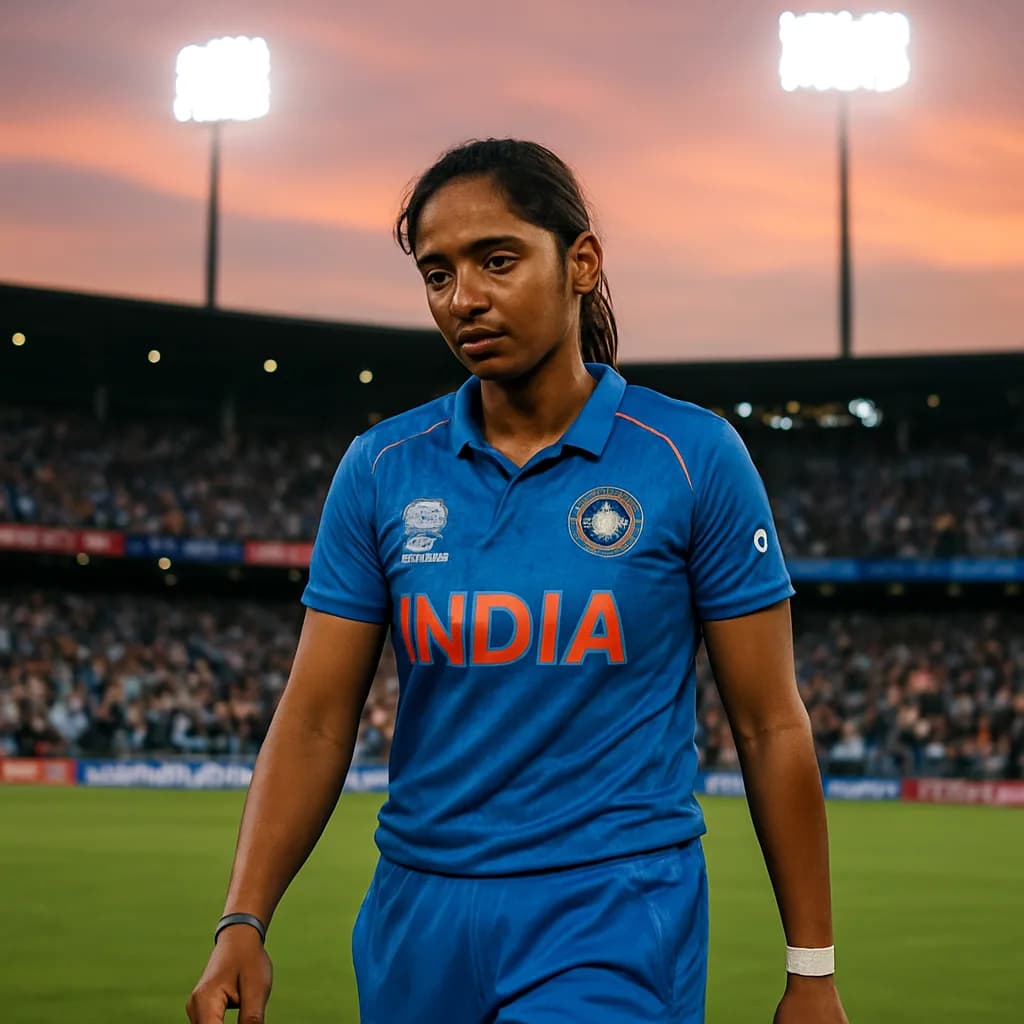
Representative image for illustration
TL;DR: Harmanpreet Kaur announced she has resigned as India women's captain across all three formats, saying "I have done my duty" after leading India to major titles; the BCCI will now manage a transition that names a successor and reviews squad balance for upcoming tours. According to Harmanpreet's statement and multiple reports, she will continue as a player while stepping away from captaincy responsibilities (India Today, Times of India).
Harmanpreet Kaur announced her resignation through public channels, ending a leadership spell that included a World Cup title and Asian Games gold. The move came after a Board of Control for Cricket in India (BCCI) review meeting held in Guwahati, which evaluated the team's direction and performance over recent months (Deccan Chronicle).
Why she resigned: her words and the immediate context
Harmanpreet released a long public statement, saying in effect that she had "done [her] duty" as captain and that the team was in a good place for the next leadership phase (India Today). Multiple outlets reported that the resignation followed recent successes and a BCCI internal review: the board convened in Guwahati to appraise recent results and team strategy, and that meeting is linked in press reports to her decision to step aside (Deccan Chronicle, Economic Times).
She made clear she will remain available as a player, so the change affects only leadership duties rather than retirement from international cricket (Times of India).
What she achieved as captain (match results and a key stat)
Harmanpreet captained India to the ODI World Cup title and contributed to Asian Games success, achievements cited repeatedly in news reports as part of the reason her tenure is seen as successful (Economic Times, Gulf News). She also finishes with a record as leader in T20 internationals: reports state she led 155 WT20Is, a world-record figure for matches as leader in that format (WION).
Those accomplishments give selectors both a benchmark and a trade-off. On one hand, the team enjoyed peak results under her leadership; on the other hand, the board may judge that a fresh voice will preserve momentum while rebalancing the squad for future cycles (BBC Sport).
Who is likely to replace her and how the selection process works
Early press coverage names Smriti Mandhana as the frontrunner to take over captaincy duties, though the final decision rests with the BCCI selection committee and the national selectors (Gulf News). The selectors typically consider recent leadership experience, form, and team balance; Mandhana offers established international experience, a left-handed batting option that can change match plans, and previous vice-captaincy exposure.
The selection committee typically meets, considers candidates and input from coach and support staff, and announces a captain before the next major series. That timeline is implied in reporting about the BCCI's Guwahati review and usual board practice (Deccan Chronicle, Times of India).
Leadership trade-offs and team balance after the resignation
Removing a long-term captain can shift team dynamics in two predictable ways. It can reduce the burden on a key batter, potentially improving her form. It can also create a short-term leadership gap, forcing senior players to take on extra communication and tactical duties. Those trade-offs are explicit in coverage noting Harmanpreet's continued place as a player but not as captain (India Today).
One clear question is whether the new captain will change batting order or bowling rotation. The selectors may prioritise flexible match-ups in T20s while preserving the top-order stability that won the World Cup. That choice will define selection for upcoming bilateral series and the next ICC events.
Short paragraph.
Concrete example: how the next white-ball XI might shift
Imagine a three-match T20 series against England later this season. With Harmanpreet as a non-captain batter, the selector's dilemma is whether to keep her at No. 4 to anchor late overs or move her up to No. 3 to exploit match-ups. Choosing Mandhana as captain could mean she opens and handles leadership, while Harmanpreet plays a role similar to a senior finisher. That change sacrifices a left-right opening combination but gains a dedicated on-field captain who can set field positions and batting pacing from the top.
This scenario illustrates the trade-off: leadership at the top versus flexible finishing power in the middle order. The BCCI and selectors must weigh those outcomes when naming the new skipper and shaping the touring squad, a decision process described in reports about the board review (Deccan Chronicle).
What fans, media, and aspiring players should watch and do next
Fans should follow official BCCI announcements and the selection committee's statements for an authoritative timeline; media speculation will fill gaps until the board confirms a successor (Gulf News). If you follow team strategy closely, track three things: the captaincy appointment, any change to the batting order in the next two series, and whether Harmanpreet's on-field role is altered. Those moves will reveal whether selectors prioritise continuity or a tactical reshuffle after a successful era under her leadership.
Subscribe to official BCCI channels for the confirmation notice and watch the announced squad for clues: an unchanged core suggests continuity; several new names point to a rebuild. That step is practical and immediate, and it aligns with how selection processes were described in the coverage of her resignation (Times of India).
Frequently Asked Questions
Who said Harmanpreet would remain a player? Harmanpreet's public statement and follow-up reporting state she will continue as a member of the national side while resigning captaincy duties (India Today).
Did Harmanpreet step down after a specific meeting? Reports link her decision to a BCCI review meeting in Guwahati where the board assessed recent performance and future direction, and that meeting is cited as part of the context for her resignation (Deccan Chronicle).
Who is the likely successor? Most outlets name Smriti Mandhana as the likely frontrunner, but the final appointment will come from the BCCI selection committee and national selectors (Gulf News).
{ "meta": "end" }
Comments (0)
No comments yet. Be the first to share your thoughts!