David Miller Costly Decision Costs DC in IPL 2026 Thriller
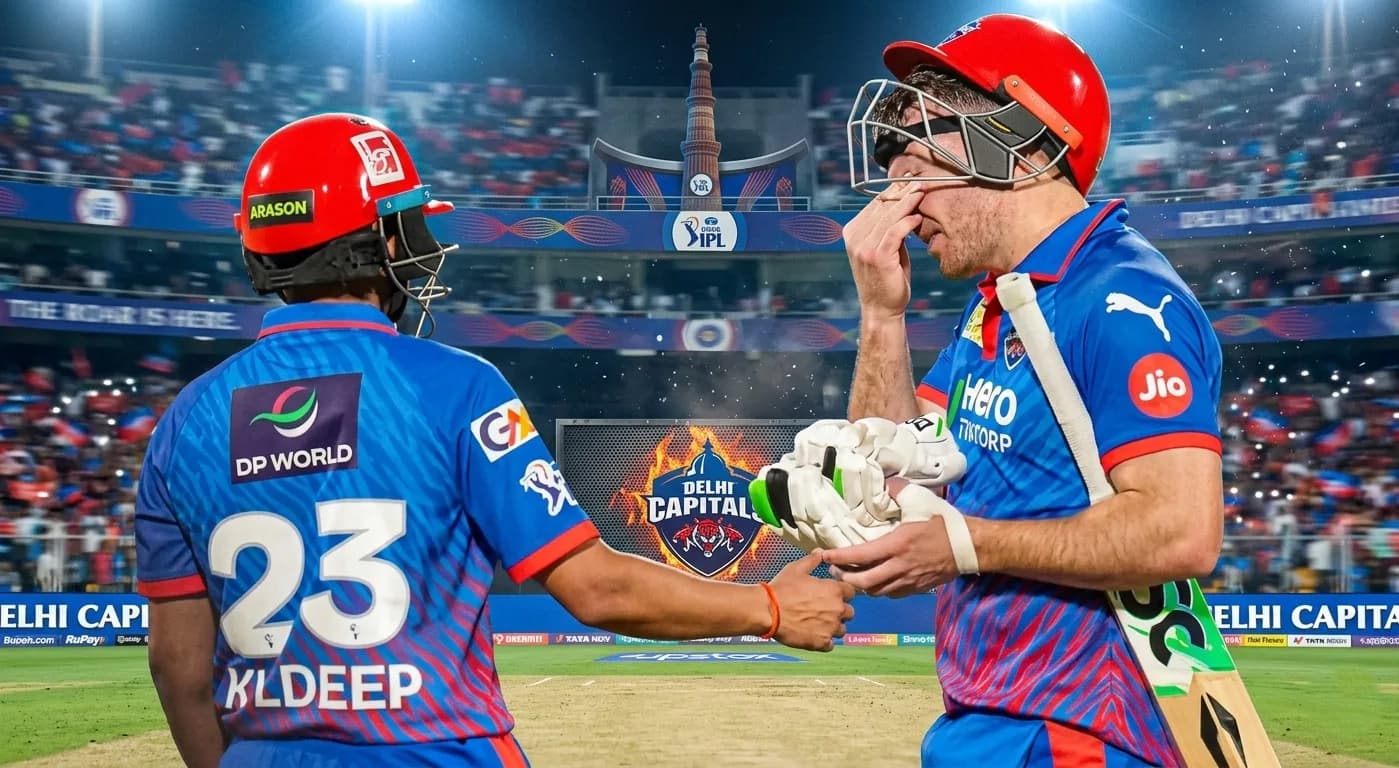
Representative image for illustration
David Miller’s refusal to take a single on the penultimate ball against Gujarat Titans cost Delhi Capitals dearly in one of the most thrilling encounters of IPL 2026. It wasn’t just a minor slip; it was the moment the match slipped away from DC’s grasp, handing GT a one-run victory in a game that was there for the taking. Fans, experts, and analysts alike have been dissecting this incident because it highlights a nuanced, high-pressure scenario where decision-making can make or break the outcome.
What Happened in the Final Over?
The match was tight, with Gujarat Titans defending a modest total against a fired-up Delhi Capitals side. As the final over unfolded, DC needed just a few runs to win. On the penultimate ball, David Miller was on strike with a slim chance to squeeze a single and get the winning runs within reach. But instead, he held his ground, refusing a single, leaving the striker stuck. The very next ball turned out to be a wicket for DC, with no runs added on that ball. Gujarat Titans squeezed the life out of DC’s chase and held on to win by a single run.
This moment was so pivotal that it instantly became the talk of IPL fan circles. Miller appeared distraught immediately after the match, visibly aware of how costly his hesitation was.
Why Miller’s Decision Was So Costly
Here's the thing — when a batsman refuses a relatively easy single in the dying moments of a tight chase, it raises eyebrows. The last overs in T20 are all about quick calls and trusting your partner. Miller’s refusal broke the rhythm, shifted pressure back onto Delhi Capitals, and gave Gujarat Titans a chance to apply pressure with the very next ball.
Decisions like these seem simple on paper but are knee-jerk in the heat of the moment. The problem is that this moment required hyper-awareness — not just about scoring runs but about momentum and mind games. Every run in the final overs is precious, but the last few balls demand split-second decisions to constantly chip away at the target. It’s not just about runs on the board, it’s about pace and forcing errors too.
What’s often misunderstood is the balance between risk and caution. Too much caution, and you stagnate the chase; too much risk, and you invite disaster. Miller's choice leaned too heavily on caution. He missed a chance to convert pressure into runs, which any seasoned batsman in T20 cricket knows can be fatal. This costly hesitation—something commentators called a "game-changer"—reminds us that in cricket, timing and movement can be as vital as power hitting.
Common Misunderstandings About Game Awareness in Pressure Moments
Many assume that batting in the final ball scenarios means just going for big hits or strict conservative play. Neither extreme is correct. The art lies in improvisation aligned with tactical awareness. Miller’s rejection of the single wasn’t just about avoiding risk; it was about losing an opportunity to keep the scoreboard ticking. This nuance is often lost, leading fans and sometimes even players to judge decisions as simply right or wrong without grasping the strategic layers underneath.
Take the example of the 2019 IPL final when Jofra Archer’s quick thinking helped Rajasthan Royals sneak past Chennai Super Kings. It wasn’t the power shots alone but also the clever singles and running between the wickets that tipped the scales. Miller’s misstep contrasts sharply with such moments.
Moreover, this teaches that communication between partners matters. Miller and the other batter should have been on the same page — hesitation indicates miscommunication or second-guessing, both dangerous in a crunch situation. Ideally, batters rehearse this interplay constantly in nets, but under pressure, it unravels easily if players are not totally synced.
What This Means for Delhi Capitals and Future Matches
For Delhi Capitals, this loss stings not just due to the narrow margin but because it could be pinpointed to a moment that can be improved on. Their batting lineup otherwise looked solid, but this incident highlights a need to fine-tune decision-making under pressure. They have the talent but need sharper finishers who instinctively read the game right to close matches.
It’s why some experts now put more weight on mental skills coaching alongside physical training. Miller’s error should serve as a learning pivot, rather than just a fault to accuse.
By addressing this hiccup, DC can reinforce their finishing strategies, maybe through simulated pressure drills or better communication protocols on the field. After all, as CricLegacy notes, tight finishes define championship teams. The best IPL teams master both the big shots and the tiny runs under pressure check best IPL teams of all time. Learning from such moments could bring DC closer to joining that elite list.
Frequently Asked Questions
Why was David Miller’s decision called costly?
David Miller chose not to take a single on the penultimate ball when taking the run was relatively safe. This broke Delhi Capitals' momentum and put them under added pressure, contributing directly to their one-run loss.
Could better communication between batsmen have avoided this?
Absolutely. Clear communication is key, especially in crunch moments. Hesitation often happens when partners aren’t on the same page, causing missed scoring opportunities.
Is this kind of mistake common in T20 cricket?
Yes, pressure situations cause players to second-guess decisions often. However, great teams and players refine their mental game to reduce these errors and maintain scoring momentum.
Read more about this match and IPL 2026 thrills and how great captains manage end-game scenarios Greatest IPL Captains.
Get the latest IPL 2026 updates, including match previews, team news, points table, and live results. Check the complete IPL 2026 Match Schedule with fixtures, venues, and timings on CricLegacy. For more cricket updates you can also download the CricLegacy Cricket App.
Comments (0)
No comments yet. Be the first to share your thoughts!