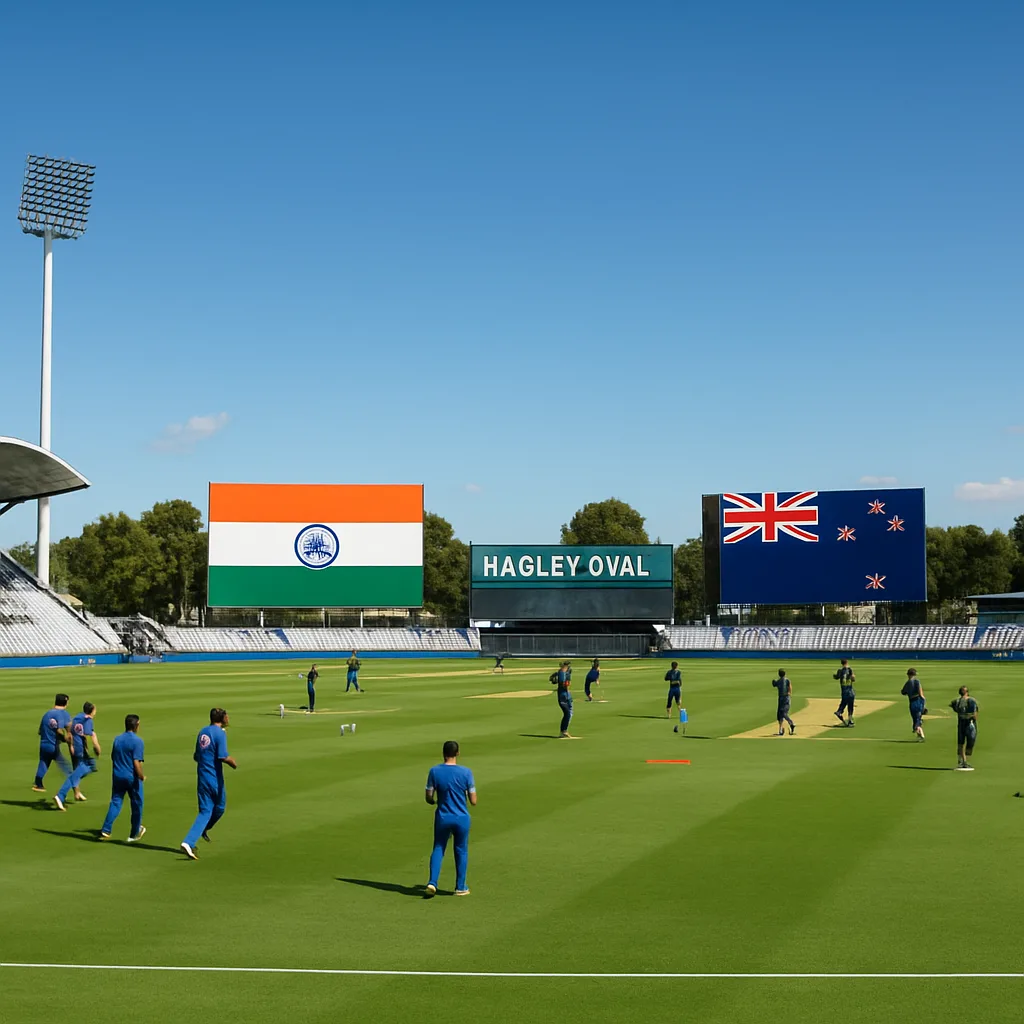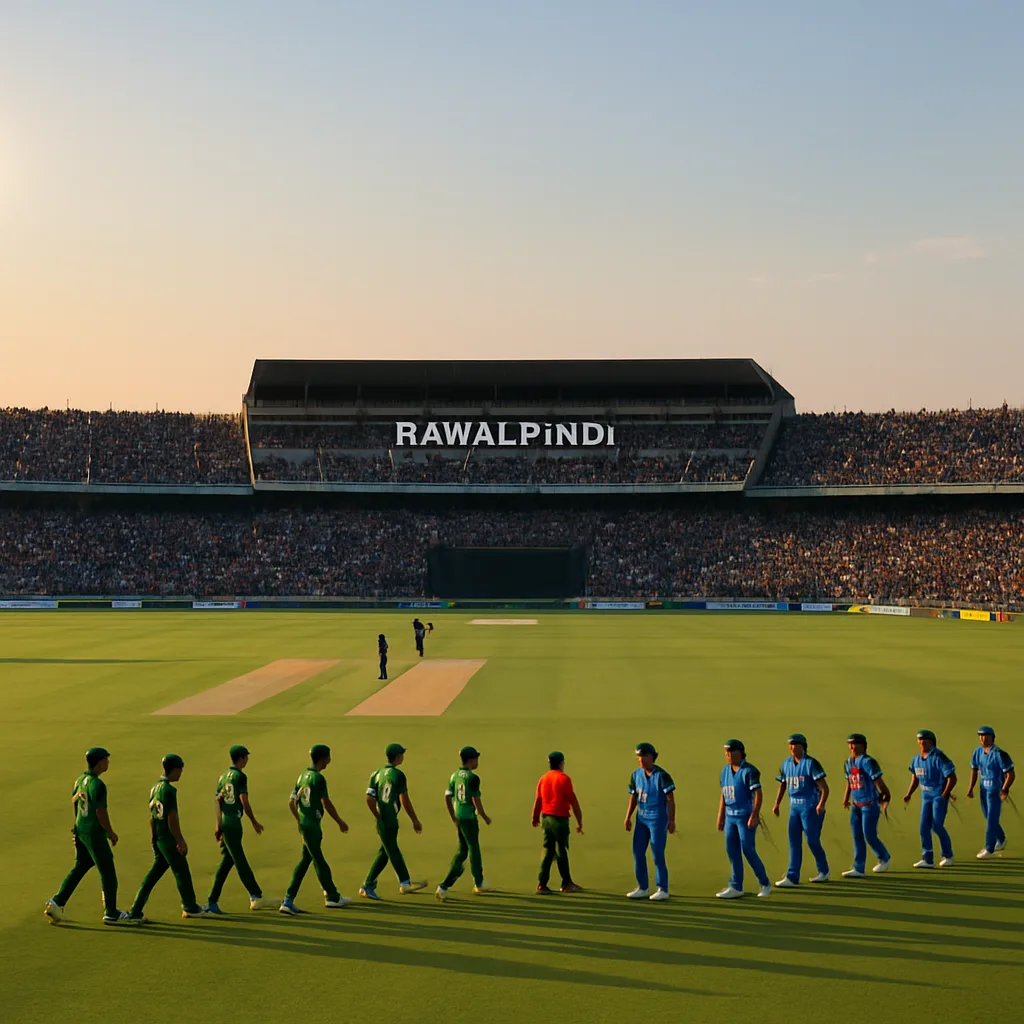
Chants, Hooting, Cheering: The Sher-i-Kashmir Stadium Crowd
This article was drafted with Citeya, an AI writing tool, from published reports and is published under Kishan Prajapat's name. See our editorial standards or report an error.
Representative image for illustration
Short answer: crowd noise at Sher-i-Kashmir Stadium alters player momentum, umpire perception and TV presentation just as much as pitch or weather. Expect an active, locally driven atmosphere that can energize bowlers, rattle batters and make every close decision feel bigger.
What the stands do to a cricket match in Srinagar goes beyond volume. City and regional identity usually supply the vocabulary of support, so chants are often local in language and reference. That local character matters because crowd noise affects human perception: players react, umpires hear, and broadcasters mix ambient sound into the viewing experience. The Sher-i-Kashmir Stadium is where those social sounds meet competitive cricket.
Why the crowd matters at Sher-i-Kashmir Stadium
Crowd behaviour is a force multiplier. A sustained chant after a boundary or a burst of hooting at an appeal changes a bowler's celebration and batsmen's recovery time. Sports coverage treats attendance and noise as part of the spectacle; Hindustan Times carries long-form coverage of match atmospheres and match statistics that underline how different matches present different dynamics and outcomes [https://www.hindustantimes.com/cricket/ipl/player-stats-lowest-team-total-25]. That page documents unusually low team totals in T20s and IPL games and implies that match context, including crowd mood, can be decisive.
One figure helps anchor the point. Hindustan Times references a lowest-team-total figure connected to T20/IPL histories, 25, which shows how divergent match outcomes can be when conditions and psychology combine [https://www.hindustantimes.com/cricket/ipl/player-stats-lowest-team-total-25]. Low totals like that tend to produce more audible and partisan crowds because every wicket becomes decisive and noise spikes accordingly.
How chants, hooting and cheering shape play and player experience
Noise shifts attention. Bowlers feed off it. When the crowd chants after a wicket or hoots loudly at a controversial call, bowlers often feel validated and bowl with greater rhythm. Batsmen face a different problem: interruptions to concentration and a heightened sense of risk. Teams prepare for this by rehearsing concentration drills in noisy practice sessions and by giving clear in-game leadership cues.
Umpires and technology decide the final calls. When on-field decisions are close, crowd reaction can magnify the perceived gravity of an event. Television broadcasters will amplify crowd sound in close finishes, making the spectator reaction part of the narrative. Hindustan Times' wider coverage of cricket performance and audience reactions makes this link visible, especially in low-scoring games where crowd energy matters more [https://www.hindustantimes.com/cricket/ipl/player-stats-lowest-team-total-25].
A concrete example: low-scoring matches and a different crowd dynamic
Imagine a T20 match at Sher-i-Kashmir Stadium where the pitch keeps low and 25 is in the historical memory as a lowest-team-total benchmark. That reference point is real in T20 history reporting [https://www.hindustantimes.com/cricket/ipl/player-stats-lowest-team-total-25]. In such a match, each dot ball magnifies pressure. A five-over spell that yields three wickets will produce a surge in chant-based support for bowlers and sustained hooting when a batsman edges nervously.
This pattern appears in real matches. The same Hindustan Times feed that tracks match statistics uses event anniversaries to show how regional audiences gather for big public events; a non-cricket example is the 25-year mark celebrated for a film, showing local crowd mobilization around cultural milestones in the region [https://www.hindustantimes.com/htcity/cinema/25-years-of-gadar-anil-sharma-woh-marketing-ka-nahi-dil-ka-daur-tha-god-willing-we-will-start-gadar-3-next-year-101781422527575.html]. That kind of organised local turnout works the same way as a stadium crowd mobilising for a home match.
Trade-offs for teams and match organisers
Loud, partisan crowds fuel home advantage but pose logistical challenges. For teams, the benefit is psychological: momentum gained from chants can translate into tighter fielding and bolder bowling. The trade-off is that a noisy home crowd makes it harder for home players to communicate on the field and for visiting teams to adapt their in-game strategies quickly.
Organisers face a cost-benefit decision. More crowd engagement boosts TV ratings and local revenue, yet louder, more partisan crowds can increase the risk of disciplinary incidents and make umpiring decisions more contentious. Hindustan Times coverage of cricket events frequently links crowd dynamics to match outcomes and governance decisions, signalling that event managers must manage both the spectacle and the risks [https://www.hindustantimes.com/cricket/ipl/player-stats-lowest-team-total-25].
What a visiting fan should do and a caveat about local conditions
If you plan to attend, prepare for a lively, local atmosphere. Learn one or two common chants in advance and pick seats where you can both hear the game and exit easily. Carry earplugs if you are sensitive to sustained noise. Bring cash for local vendors; regional matches often have a different cash/card mix than city stadiums.
A major caveat: seasonal and political context in Srinagar matters for travel and match scheduling. Local publications cover cultural events and anniversaries, demonstrating how public attention sometimes shifts away from sport toward civic gatherings [https://www.hindustantimes.com/htcity/cinema/25-years-of-gadar-anil-sharma-woh-marketing-ka-nahi-dil-ka-daur-tha-god-willing-we-will-start-gadar-3-next-year-101781422527575.html]. Check match-day advisories and local transport notices before you travel.
Practical takeaway you can act on immediately
If you plan to go to Sher-i-Kashmir Stadium, download the match-day timetable, buy tickets in advance and learn one local chant to join in. Sit where you can leave quickly if a sudden weather or security advisory appears, and bring ear protection. Those three steps let you enjoy chants, hooting and cheering while managing the trade-offs of a charged stadium environment.
Comments (0)
No comments yet. Be the first to share your thoughts!