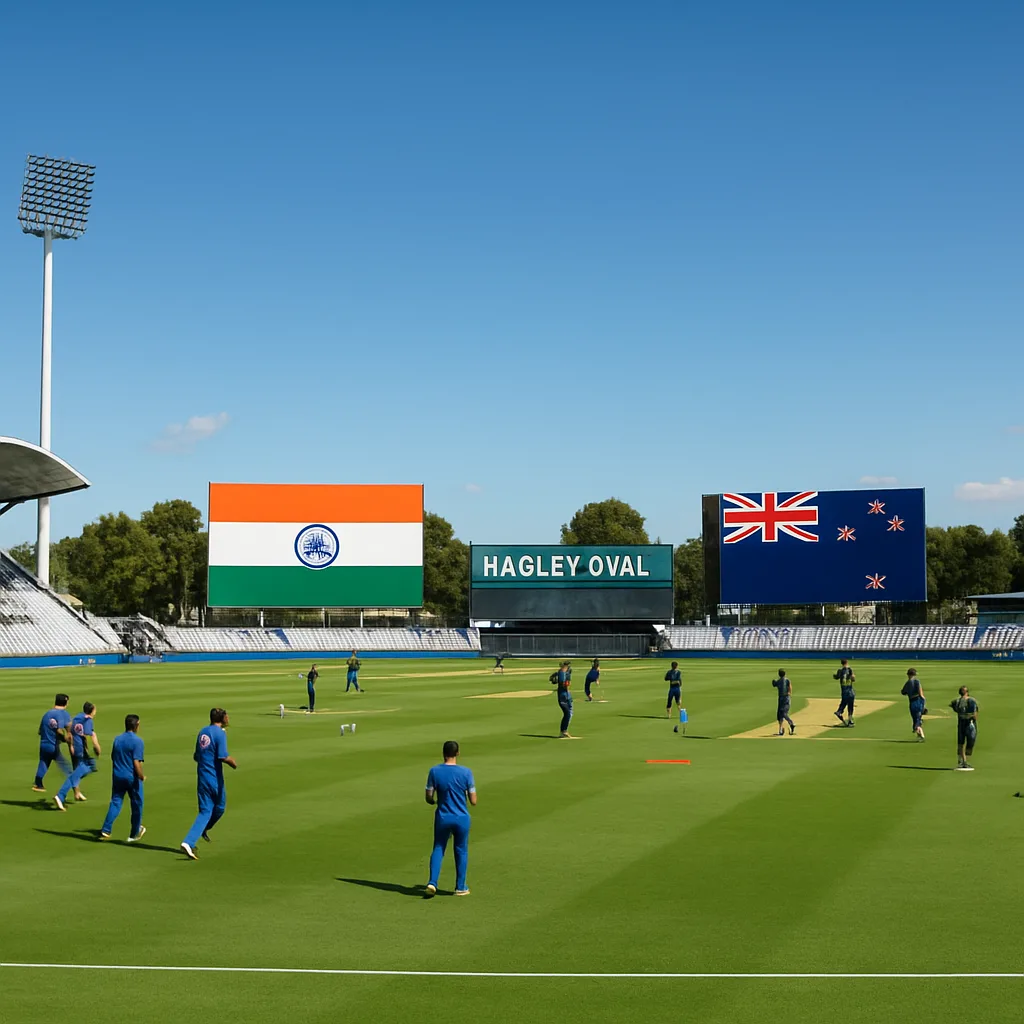
Change of guard in Indian women’s cricket: Smriti
This article was drafted with Citeya, an AI writing tool, from published reports and is published under Kishan Prajapat's name. See our editorial standards or report an error.
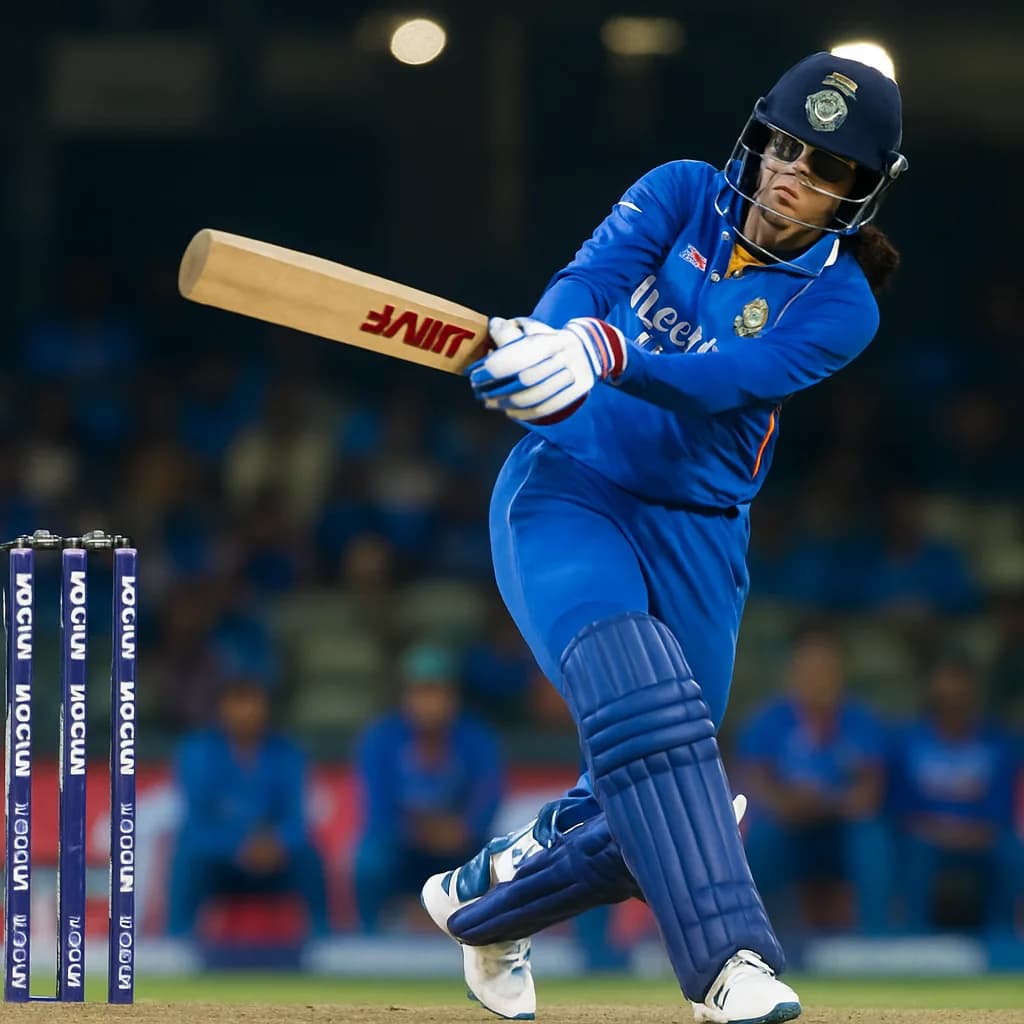
Representative image for illustration
Smriti Mandhana has come to represent a visible change of guard in Indian women’s cricket, moving the team’s identity toward an aggressive, front-foot style and a younger leadership core. This is a tactical and cultural reset that raises expectations for scoring tempo and fielding intensity while creating trade-offs around experience, bowling depth, and match management.
What changed: leadership, selection and style
The change didn't stem from a single decision. It shows up in three places at once: who opens and anchors the innings, which players are picked for tours and big tournaments, and how the side approaches the first fifty overs or the powerplay in limited-overs cricket. The new emphasis favors players who score quickly, rotate strike early and run hard between wickets. That shifts selection priorities away from pure defensiveness and toward players who can push the run-rate from ball one.
Fielding standards and energetic captaincy are now part of the selection brief as well. Captains and support staff are choosing lineups that reward athleticism and multi-format adaptability. The result is a younger-looking match XI on many tours and a bench built around backup pace and allround options rather than long-term single-format specialists.
Why the shift happened and the strategic trade-offs
Cricket evolves with conditions and formats. Batting that can turn 300 into 350 matters more than ever in international women's white-ball cricket, and teams that score faster put pressure on opponents and grant captains more options in the field. The move toward players like Smriti is driven by that logic: proactive batting shortens the game for the opposition.
There are trade-offs. An aggressive top order can collapse quickly against disciplined bowling, creating pressure on the middle order and the bowling attack. Experienced players who read long spells and handle breaks in momentum sometimes lose out. Boards and coaches must weigh the upside of higher average scoring rates against the downside risk of batting collapses in key moments. That trade-off affects match planning, too: bowlers will be managed differently, and the value of a dependable finisher rises.
How Smriti’s game and persona reshape match tactics (concrete example)
Imagine a 50-over match where the new approach is in place. The team sends Smriti to open and target a higher powerplay run rate, placing a third seamer who can bat slightly down the order. The fielding captain responds by bringing fielders inside the circle earlier and varying the lengths to force false shots. If Smriti takes the initiative and hits boundaries early, the opposition must bowl defensively for longer periods and may use their best bowlers in the early overs, creating an opening later against the lower order.
If Smriti gets out cheaply, the plan must switch instantly. The middle order then needs a mix of anchor and aggressor, a combination that is not always available when selection accelerates for athleticism. This tactical example highlights the trade-off: proactive batting can bend opponent plans but raises the importance of flexible, experienced middle-order players who can absorb pressure.
What this means for team composition and domestic feeders
Selection panels will look for players who are technically sound but possess a higher strike intent. Domestic leagues and age-group tournaments become the pipeline: batters who score quickly and show situational awareness will get fast-tracked. At the same time, the bowling unit must adapt. Expect more focus on variations for seamers and precision for spinners who can bowl in the middle overs under pressure.
Youth development must adjust too. Coaching at state and academy level will give greater priority to running between wickets, power-hitting technique, and fielding drills. That will change the profile of future stars. Teams that continue to produce slow-building anchors may find their pathway narrowed unless they show a willingness to increase scoring tempo without sacrificing wicket preservation.
How selectors, coaches and fans should react: three practical steps
First, define role clarity before picking players. If the top order's job is to accelerate, then at least one middle-order batter must be a stabilizer. That clarity reduces panic when early wickets fall.
Second, invest in bowling depth and match-overs planning. Coaches should train bowlers for short, high-intensity spells and plan for rotation so key bowlers are available at match-critical moments.
Third, manage expectations publicly. Fans rewarded by aggressive cricket will also expect consistent results. Boards and media should communicate that transition periods include losses and learning moments while team identity is being built.
Caveats and likely short-term risks
This change of guard does not guarantee immediate success. Aggressive batting increases variance. Teams can score big totals, but they can also collapse more spectacularly. Transitioning leadership means a temporary loss of institutional memory in match situations that require slow, corrective coaching. If selectors over-rotate the squad in search of athleticism, the side can lack the experience needed to defend close totals.
Another risk is misreading conditions. Subcontinental pitches that favor spin or seaming tracks abroad demand different approaches. An aggressive opener will not always be the correct tactical answer. The smart response is conditional planning: have the aggressive identity, but modify roles by match conditions and opponent strengths.
A specific scenario: managing a major tournament
In a multi-match tournament, the team that adopts this new guard should plan for at least one contingency match where conventional tactics are prioritized. If weather or pitch conditions dictate, revert to longer partnerships and tighter bowling plans. That preserves both the new identity and the ability to win in non-ideal conditions. Good squads carry that flexibility; they do not abandon the new style, they adapt it.
Actionable takeaway
If you're a coach, start by writing clear role cards for each player that combine scoring intent with fallback duties. If you're a selector, prioritize at least one middle-order stabilizer for every aggressive top-order pick. If you're a fan, expect entertaining cricket and occasional turbulence. The immediate action all three can take is simple: test one mixed-role XI in domestic competition this season and track outcomes against traditional lineups. That will show whether the new guard boosts wins or only raises the spectacle.
Meta description (for SEO): Smriti Mandhana’s rise marks a tactical and cultural change in Indian women’s cricket, shifting selection toward aggressive batting while raising trade-offs for experience and bowling depth.
1) A high-resolution action shot of Smriti Mandhana playing an attacking cover drive in a white-ball international, stadium lights on, teammates watching from the pavilion, shallow depth of field, vibrant colors, photographic realism.
2) A candid behind-the-scenes image of a team meeting on the boundary rope: a young captain pointing at a whiteboard showing field placements and batting roles, coaches and players in training gear, natural light, documentary-style composition.
Comments (0)
No comments yet. Be the first to share your thoughts!