Chahal says T20 cricket is becoming increasingly difficult for bowlers
This article was drafted with Citeya, an AI writing tool, from published reports and is published under Kishan Prajapat's name. See our editorial standards or report an error.

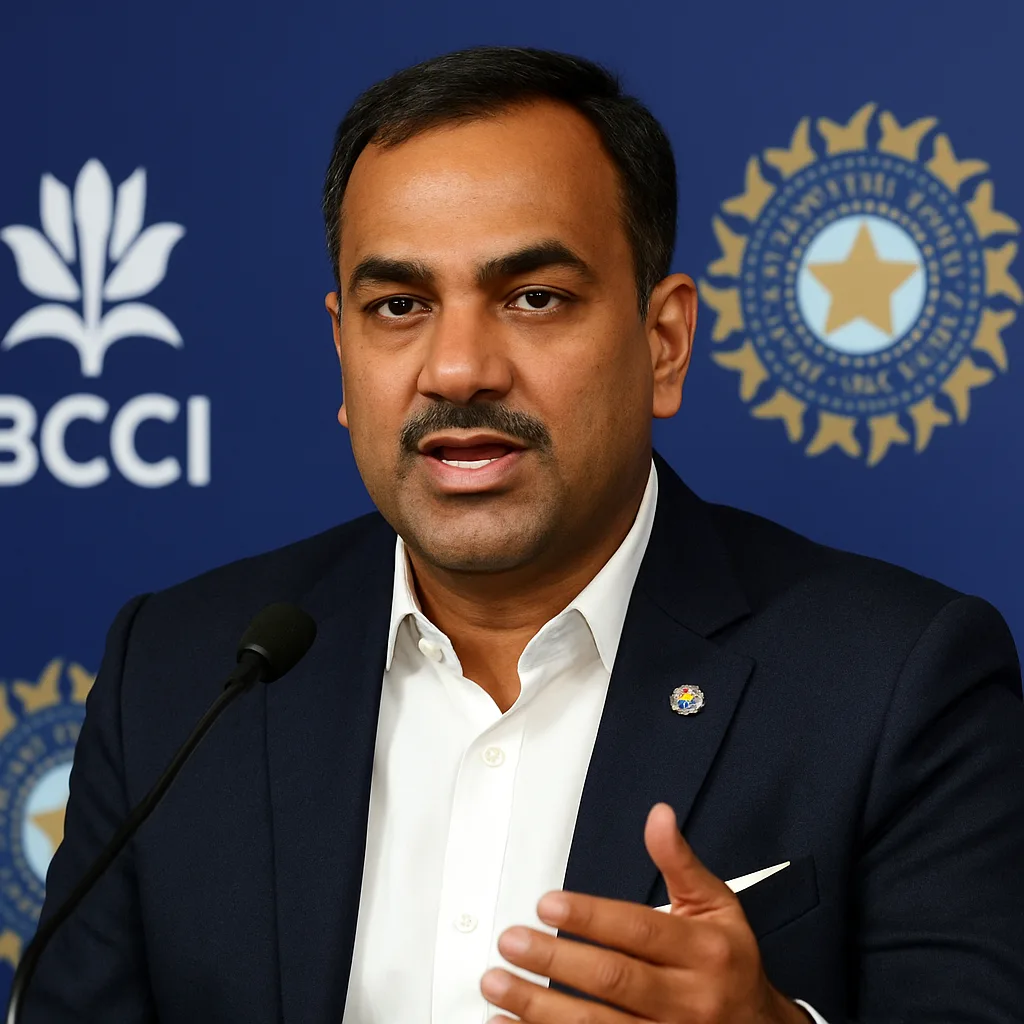
Representative image for illustration
Yuzvendra Chahal says T20 cricket is becoming increasingly difficult for bowlers because flatter pitches, shorter boundaries and batter-friendly conditions give hitters an overwhelming edge, and recent matches back that view. Bowlers now face smaller margins; to stay effective they must change plans, refine variations, and accept tactical trade-offs.
Chahal raised the issue after West Indies chased 250 in Ranchi, asking how sustainable bowling is if surfaces continue to favour batters According to Telengana Today. The comment came amid a wider debate in Indian and franchise cricket about pitches and strategy, with coaches and former players offering different responses.
Why Chahal says conditions favour batters now
Chahal framed the problem around surfaces and run rates. He singled out a match where India posted 250 but still lost, and asked whether flatter tracks were turning contests into batting spectacles rather than balanced contests see Telengana Today. That example highlights two changes over the last decade: higher average team totals and more aggressive powerplay hitting.
Flat wickets reduce lateral movement and unpredictable bounce, so margins for error shrink for bowlers. If the ball does not deviate, slower or fuller lengths get punished. Chahal’s remark echoed wider coverage where commentators called pitches “batter-friendly” after that 250 chase, and even offered blunt suggestions, with Chahal telling some critics to "just install a bowling machine" to see how hard it is to bowl on such tracks According to Times of India.
On a slow, low-turning surface an off-cutter aimed at the blockhole can be driven through the covers for four; on a bouncy, swinging pitch the same ball may find the edge. There is a performance gap, and Chahal is saying that gap has widened.
Match evidence and key statistics
The trigger for the debate was West Indies chasing 250 in Ranchi, a high-scoring chase that underscored the batter advantage Telengana Today link. Scorelines like 250 defy the old T20 benchmark of 160–180, and they force bowlers into defensive roles rather than attacking ones.
Statistical evidence supports Chahal’s point. A separate piece noted that franchise cricket tactics in IPL 2026 put emphasis on consistent hitting and hard lengths; teams that adjusted to defend found different outcomes According to Times of India on IPL 2026 tactics. Individual figures also matter: Rahul Chahar took 13 wickets in 11 games in an IPL season, a stat cited when India adjusted selections in 2021 According to New Indian Express. That 13-wicket return shows that good wicket-takers still exist, but they often rely on specific match conditions.
Not every source agrees on why totals are climbing. Some commentators point to improved batting skills and fitness, not only pitches, so attribution matters. Chahal’s comment sits inside a mix of causes: surfaces, technique, boundary sizes, and the frequency of T20 fixtures.
Tactical responses bowlers and teams are using now
Teams have three main tactical responses: change lengths, vary pace, and protect bowlers with field settings. Gujarat Titans in IPL 2026 embraced a hard-length, repeatable plan that frustrated batters by removing their preferred scoring zones, and that approach won results early in the season Times of India IPL 2026 story.
A practical step is to practice a tighter 6–12-inch corridor outside off stump while combining one or two slower deliveries to disguise pace changes. Bowlers who can hold their line in the corridor and still vary length force batters to improvise. Teams, meanwhile, sometimes reduce boundary sizes only modestly, or move to three-man ring fields to cut singles early and make batters take risks.
There is a trade-off. Defensive fields and conservative lines reduce sixes but raise the run rate through ground strokes. The Gujarat Titans example shows the reward: discipline in length can be more effective than constant variation. The risk: predictable lines can be targeted by in-form batters.
Coaching, skills and the new emphasis on wicket-taking craft
Coaches are revisiting classical wicket-taking skills. Anil Kumble has argued for teaching bowlers to take wickets rather than focusing on bowling styles in isolation, and he has warned that skill and purpose must guide training sessions The Cricket Monthly interview with Anil Kumble. That advice is tactical: practise the ball-to-hand corridor, the arm speed differences, and match-situation bowling rather than only producing a catalogue of variations.
A concrete coaching step is more scenario practice: bowl to a batter with an imaginary 180 target in the last five overs, or simulate a 250 chase to train death-bowlers under pressure. Focused repetition pays off; Kumble praised repetition as the driver of his own success in spin bowling The Cricket Monthly piece. That echoes Paul Adams and supporters of wrist-spin, who credit specialized craft for wicket-taking returns in limited overs Firstpost on Kuldeep and Chahal rise.
A caveat: developing these skills takes time. Teams cannot simply swap in a bowler and expect immediate results; match experience and the right surfaces remain essential.
Trade-offs, limits and why change will be gradual
Changing pitches, field rules, or boundary sizes each has costs. Grounds that prepare flatter tracks often do so because they attract crowds and runs, which generate broadcast appeal and revenue. Umpires and boards resist radical rule changes because of historical fairness and logistical complexity. Chahal’s call to confront batter-friendly surfaces runs up against commercial reality Chahal comments, Telengana Today.
Tactically, teams that adopt defensive plans may concede entertainment value and invite criticism. Turning the dial toward bowling-friendly setups could lower aggregate run rates, but it might also reduce dramatic chases that drive viewership. That is the core trade-off administrators must weigh. One practical limit is player workload. Pushing bowlers to bowl different lengths and practice more variations increases stress and risk of injury unless workloads are managed carefully.
A short question to leave you with: can coaching and match tactics alone restore balance? They help, but structural factors such as pitch preparation and tournament incentives matter too.
Takeaway: what bowlers and fans should watch for next
Chahal’s claim that "T20 cricket is becoming increasingly difficult for bowlers" echoes a larger trend backed by high scores and tactical shifts in franchise cricket Telengana Today and Times of India pieces. Expect to see more teams copy hard-length plans and coaches follow Anil Kumble’s advice to train bowlers to take wickets rather than only spin or seam: repetition and scenario practice will matter The Cricket Monthly.
If you follow matches, watch the next series for two signs: whether total scores over 200 become routine and whether bowlers who stick to a disciplined corridor regain control. If both happen, balance will return slowly. If not, the sport will keep tilting toward hitters unless boards alter pitch preparation or rule incentives.
Comments (0)
No comments yet. Be the first to share your thoughts!