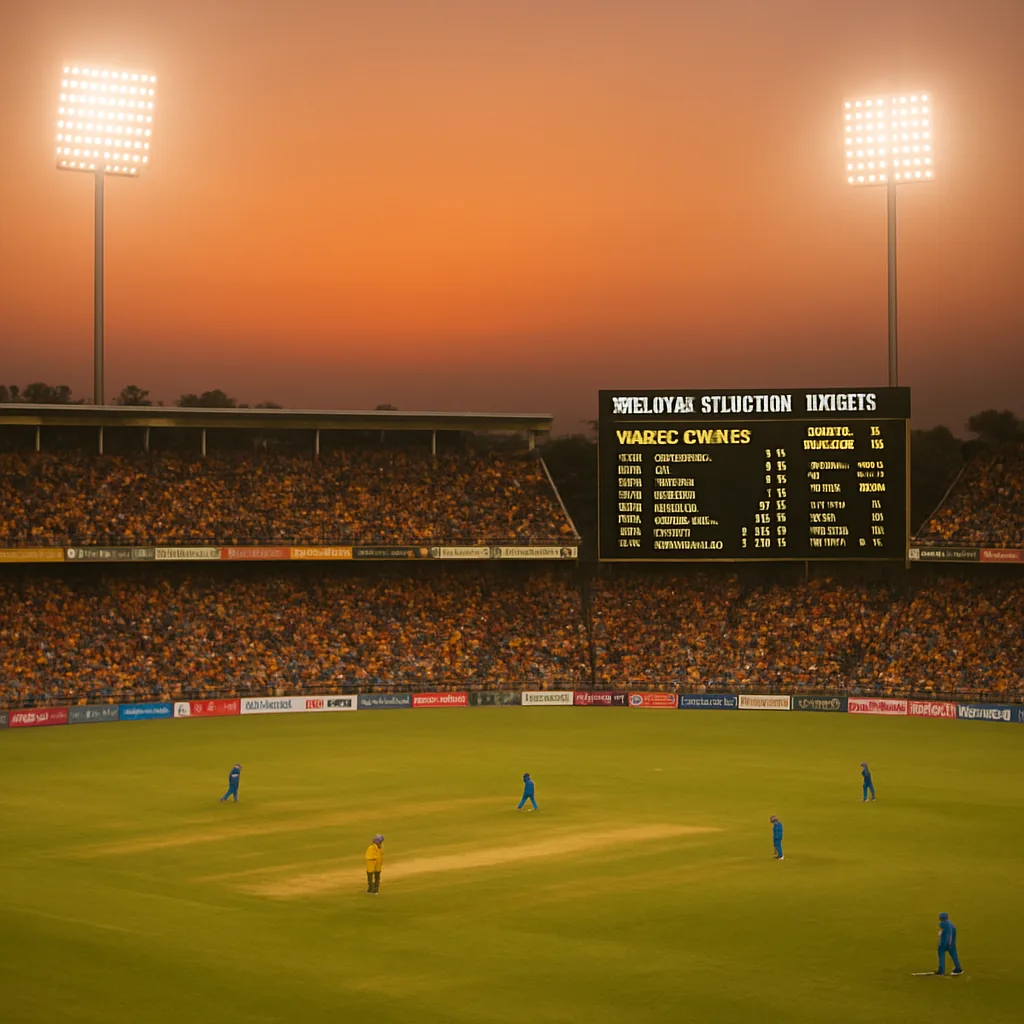
Asian Games: Japan Knocked Out After Rain Washes Out Match
This article was drafted with Citeya, an AI writing tool, from published reports and is published under Kishan Prajapat's name. See our editorial standards or report an error.
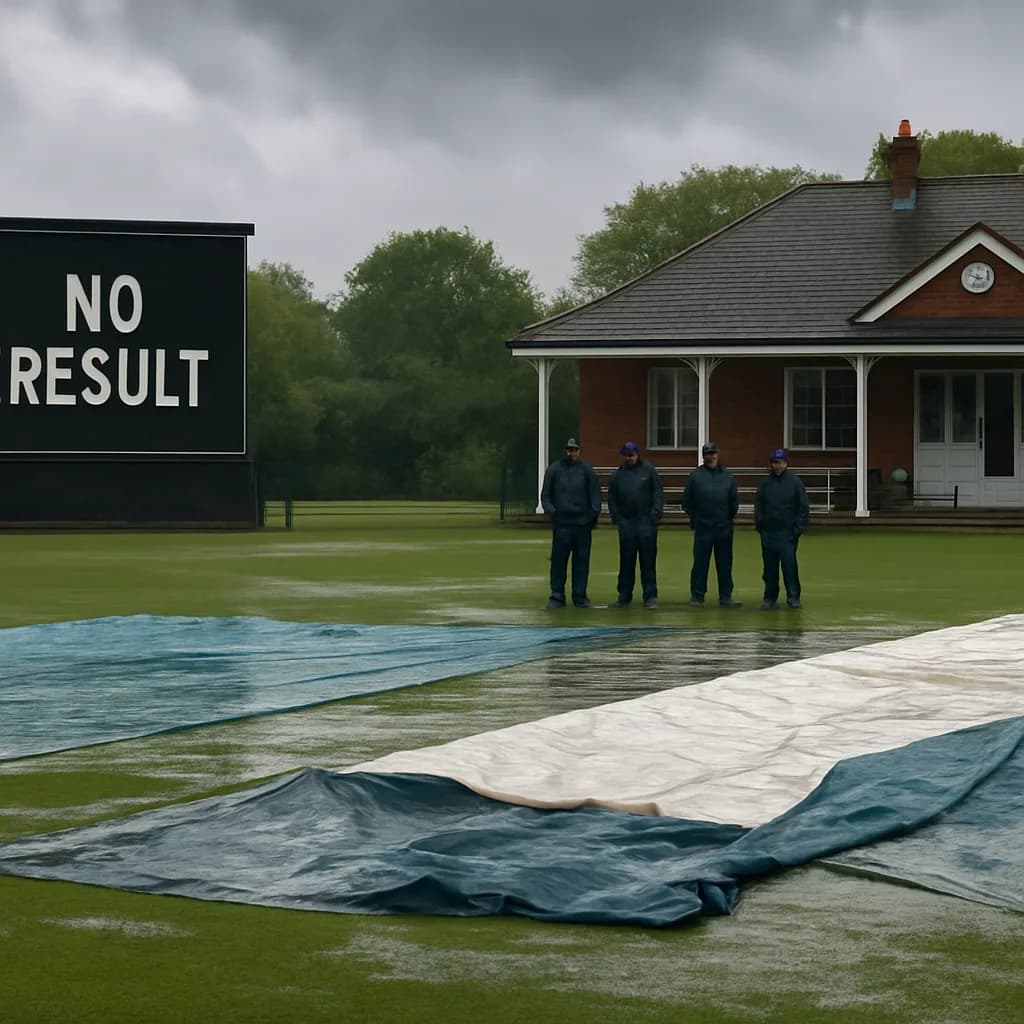
Representative image for illustration
A sudden storm stopped play and Japan were eliminated from the cricket event at the Asian Games after officials could not produce a result, a dramatic exit that highlights scheduling fragility and rule trade-offs. Bottom line: a downpour stopped play, there was no reserve day to save the fixture, and Japan went out on the tournament's tiebreak rules. This article explains what happened, why the weather decided a medal chase, and how teams can prepare next time.
One line you can paste straight into a meta
What happened was embarrassingly straightforward: relentless, heavy rain. Play was delayed, then abandoned, and the match was declared a no result under the tournament's playing conditions. Officials said the ground and drainage were unusable, and the umpires could not restart with the remaining hours in the schedule. Matches ended without play. A team goes home.
Fact: weather cancels far more matches than pundits usually acknowledge. The truth is that single-day scheduling creates fragility; one storm can wipe out weeks of preparation.
What Happened On The Day The Match Was Lost
Play was scheduled, teams arrived, the pitch looked playable in the morning. Then the rain moved in. Heavy sheets of water pooled on the outfield and the covers could not keep up. Ground staff worked, but hours of downpour left the square soggy and unsafe. Umpires inspected the field and initially delayed start times while hoping for a window of dry weather. That window never arrived. Light faded, the forecast showed more rain, and the match was called off as a no result.
Officials invoked the tournament's rules. Teams waited hours. Players warmed up, cooled down, warmed up again, then packed up. The pain was immediate because the competition format had no flexible reserve-day option and the schedule left no contingency match slot.
Why The Rain Resulted In Japan’s Elimination
Tournament formats decide outcomes when play cannot finish. The problem is the tie-breaking and progression rules set before the event. Those rules determine whether a washed-out group match leaves advancement to net run rate, head-to-head results, or to chance if multiple conditions tie. In this case, Japan’s earlier results and the direction of tiebreakers left them behind when the abandoned match produced no further runs or wickets to change the math.
A washout doesn't just remove one match, it freezes a snapshot of the table. For Japan, that snapshot was unfavorable. Officials said the schedule could not be extended and the match outcome defaulted to the standing rules, which meant elimination. To be fair, organizers often balance venue availability, athlete welfare, broadcast commitments, and travel logistics when they set tight schedules. Still, the trade-off is clear: tighter schedules reduce buffer room for weather.
Rules, Reserve Days, And Tournament Structure Explained
Most multi-team cricket events use playing conditions that specify what happens if a match is abandoned. The problem is that those rules vary. Some tournaments include reserve days for knockout matches only. Others allow a reserve day for group fixtures but only under certain weather thresholds. Organizers also sometimes use net run rate as the primary tiebreaker after points, or they prefer head-to-head results first, which can advantage teams with head-to-head wins earlier in the schedule.
Okay, how it actually works, in plain terms. Group points are awarded for wins and ties, no result gives one point to each side in many competitions. If teams finish level on points, tiebreakers decide who moves on. Those tiebreakers might be head-to-head, net run rate, or even a drawing of lots under rare circumstances. The problem is these mechanisms turn weather into an active competitor in the tournament.
What This Means For Teams And Tournament Organizers
Teams have to plan for uncertainty. That means managing net run rate aggressively in pool matches, not leaving progression to a single match that could be lost to weather. Experts say teams should also diversify strategy, balancing short-term aggressive scoring with long-term competition math. Officials said that better contingency planning, including reserve days for crucial matches and flexible venue swaps, can reduce the risk of weather deciding outcomes.
Adding reserve days costs money and creates logistical headaches. Venues cost money and broadcasters want fixed schedules. The truth is trade-offs are unavoidable, and different stakeholders will prefer different balances. Organizers could mitigate the problem by setting fewer concurrent matches per day, giving more buffer for delays, or designing group stages so that teams do not all depend on one simultaneous result.
That tight scheduling leaves almost no breathing room.
A Real-World Example And Comparison
A comparable incident happened in another recent multi-sport event when a key cricket fixture was lost to rain and the team with higher net run rate advanced. That example shows how match-by-match strategy can matter more than single-game heroics. Compare that with tournaments that give a reserve day for knockout games only, those events prioritize fairness at the cost of schedule complexity.
Consider a hypothetical: Team A needs a large victory to overtake Team B’s net run rate in the last pool match. Rain stops play when Team A is ahead, but not enough to swing the run rate. Team A is eliminated even though they were in a winning position when the covers went on. That's the bitter reality, and it's why teams sometimes push for early domination in pool games rather than leaving progression to the last fixture. Think of it like a bank balance: you have to build a buffer early, not try to scramble a last-minute deposit.
The problem is predictable. The solution costs money. Which stakeholders accept that cost? Honestly, I think organizers should at least test one shared reserve day model, it won't solve everything, but it would blunt situations like this.
Frequently Asked Questions
What exactly does a "no result" mean in cricket? A no result is declared when a match cannot be completed under the playing conditions, usually because weather prevented the minimum number of overs required for a result. Teams normally receive a point each for a no result, and progression is then decided by the standing tiebreakers.
Could Japan have advanced if the match had started earlier or been moved to a reserve day? Possibly. If play had reached the minimum overs for a result, or if a reserve day was available and used, the match could have produced a definitive outcome. Officials said scheduling constraints often prevent reserve days for every pool fixture, which is why earlier results and net run rate become so important.
What should teams do to protect against weather-related elimination? Experts recommend managing pool-stage net run rate proactively, not leaving progression to one risky match, and communicating with organizers about contingency plans. Teams should also prepare flexible game plans that can yield large winning margins when weather threatens.
Actionable takeaway: plan for weather before the tournament starts. Review schedules, build in at least one shared reserve day for crucial pool matches where possible, and treat net run rate like real estate you need to protect from day one, a washout can freeze the table and end a campaign. The Japan exit should force an immediate review of weather protocols for future Asian Games.
Comments (0)
No comments yet. Be the first to share your thoughts!