Asian Games, cricket: Nepal Stun Silver Medallists Afghanistan
This article was drafted with Citeya, an AI writing tool, from published reports and is published under Kishan Prajapat's name. See our editorial standards or report an error.

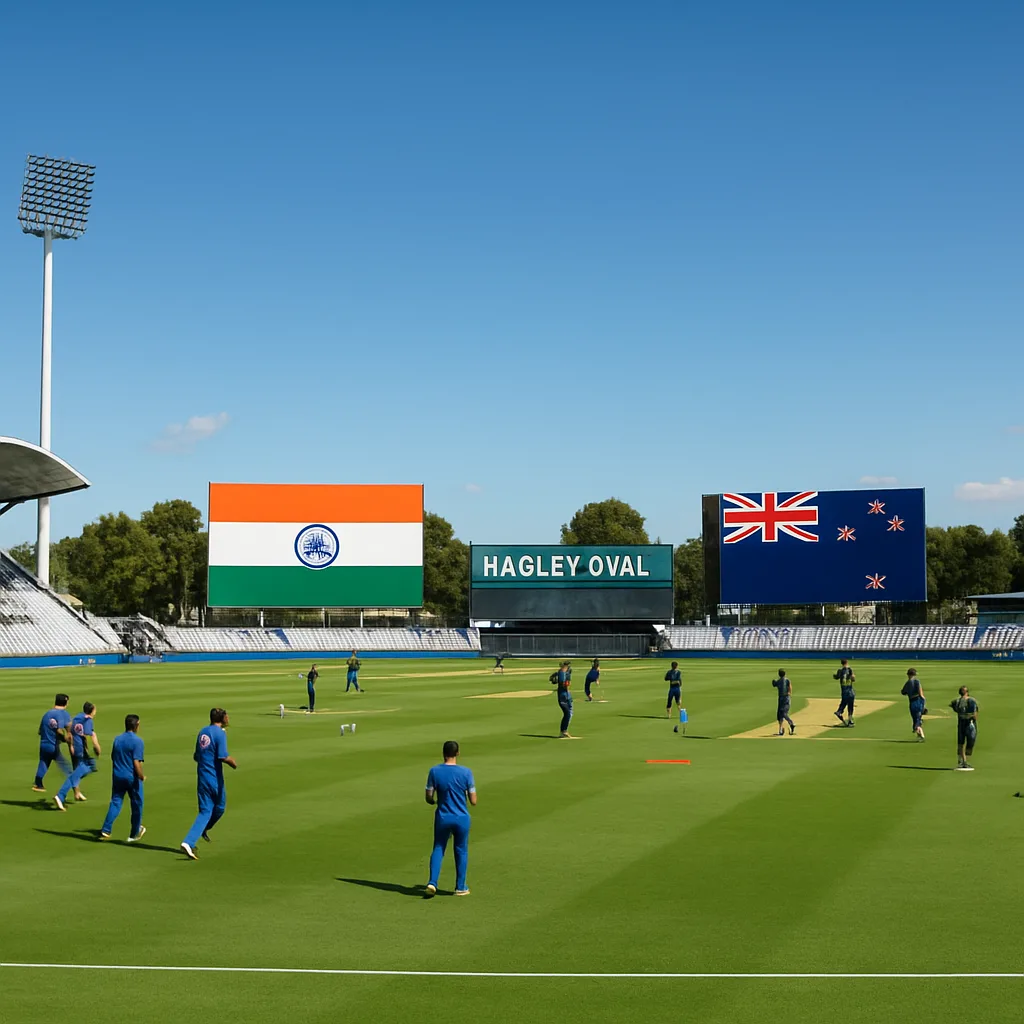
Representative image for illustration
A shock result unfolded when Nepal beat Afghanistan by five wickets, throwing Group A wide open and forcing a rethink about Asian Games cricket hierarchies. Bottom line: Nepal beating last Games' silver medallists shakes up the quarter-final picture, and it underlines how Associate nations are getting noticeably better.
According to India Today, Nepal chased down Afghanistan to win by five wickets at Korogi Sports Park, a result that opens the quarter-final race in Group A. Put simply, a five-wicket win over the previous silver medallists packs a punch. The match is already being treated as one of the day’s biggest surprises at Asian Games cricket.
The numbers tell you who won, the real drama happened in the middle overs. Afghanistan went in as favourites, they're the team with the pedigree and the medals. Yet Nepal kept the asking rate manageable, chipped away with steady partnerships, and then accelerated when it mattered. According to India Today, disciplined spin and calm finishing under pressure were decisive. The scoreboard line, Nepal by five wickets, is the match result fans will quote, but the match narrative was about control and timing.
Quick point: upsets are not random. I honestly think this win wasn't a fluke, it was the product of execution in the moments that count.
Why does the upset matter beyond a headline? First, it reshuffles Group A and makes qualification less predictable. According to the Asian Games schedule and results hub at India Today’s Asian Games page, every group match now carries extra weight because net run rate and head-to-head could decide who advances. Second, it signals a deeper trend that smaller cricketing nations are catching up technically. Sportstar reported other shocks at these Games, with heavyweight China being stunned in team events, which shows the event environment encourages surprises and emerging strength across sports, not just cricket (Sportstar). That matters because when several sports start throwing up shocks, you can't ignore preparation, adapting to conditions, or dealing with tournament pressure.
A concrete example helps. Nepal’s chase against Afghanistan is comparable to the Thailand Open upset in badminton, where underdogs beat higher seeds by staying calm and taking early opportunities, as reported in Firstpost. The match pattern is similar: early resistance, mid-phase consolidation, and late finishing. Think of it as a scrappy startup outsmarting a big incumbent by moving faster.
How did Nepal do it tactically? Reports point to bowling discipline, calculated batting, and fielding that saved runs. Afghanistan’s line-up carried the weight of being last edition’s silver medallists, but Nepal neutralised big-hitting options with smart field placements and tight overs. India Today describes controlled middle overs and a composed finish. Coaches preach the basics for a reason, and you could see that approach work here. The match also reinforces a common coaching point: contain early, rotate strike, and put pressure back on the bowlers when they're erring.
Still, there are trade-offs. Nepal's success exposes a risk; beating a big team once does not equal consistent high-level performance. Experts say one upset can be a catalyst for change but sustaining form requires depth in the squad, better exposure to high-pressure matches, and infrastructure investment. India Today’s broader Asian Games coverage provides context on how teams that travel better and manage squad rotation often fare better over a multi-sport, multi-week tournament.
Here's where it gets interesting. The upset also has political and cultural echoes. Nepal has been asserting itself in regional diplomacy recently, as seen when Nepal’s Prime Minister addressed the UNGA and named neighbours in policy talks (India Today world news). Sports results can quickly become part of national narratives, and my take is they often carry outsized expectations for long-term change.
To be fair, not every surprise signals a shift in balance. Sport at multi-sport events often produces one-off shocks. Rediff’s report on boxing, where Sakshi Chaudhary beat an Olympic medallist 5-0, is cited widely as another upset at these Games (Rediff). That 5-0 boxing scoreline is a different sport, but it supports the pattern of unpredictable outcomes at this edition of the Games. Officials said athletes arrive in varying states of readiness, and the evidence suggests tournaments like this reward adaptability and mental balance as much as raw skill.
What should fans and team planners take away? For fans, expect tighter group standings and dramatic qualification scenarios. For team planners, the actionable point is clear: invest in situational practice, simulate pressure chases, and prioritize flexible batting orders and death bowling plans. The match gives a tactical blueprint smaller teams can copy: build partnerships, respect the bowling unit, and finish smartly.
One more thought before the FAQ. The Asian Games stage is producing shocks across sports, and Nepal’s cricket win joins a list of memorable upsets at these Games. That pattern is worth watching, because it shows how tournament conditions and psychological edges can override rankings.
Frequently Asked Questions
Q: Who won the Nepal vs Afghanistan match at the Asian Games? A: Nepal won the match by five wickets, according to India Today. That result affects the Group A quarter-final calculations.
Q: Does this upset mean Nepal will reach the quarter-finals? A: Not automatically, group standings and net run rate still matter, as the Asian Games schedule and results hub shows multiple matches determine advancement (India Today Asian Games page). Teams must maintain form across all fixtures.
Q: Is this level of surprise common at these Asian Games? A: Yes, multiple sports have seen shocks, for example China lost team finals in badminton and table tennis as reported by Sportstar, and boxing saw a 5-0 upset reported by Rediff.
The practical takeaway is simple and immediate: teams should prepare for pressure chases and adapt game plans to conditions, and fans should expect more surprises because the Asian Games environment rewards quiet, steady performances. Asian Games, cricket: Nepal stun silver medallists will be remembered, and it should prompt teams to change how they prepare for multi-match tournaments.
Comments (0)
No comments yet. Be the first to share your thoughts!