Asian Games cricket: India vs Sri Lanka — tactical preview
This article was drafted with Citeya, an AI writing tool, from published reports and is published under Kishan Prajapat's name. See our editorial standards or report an error.

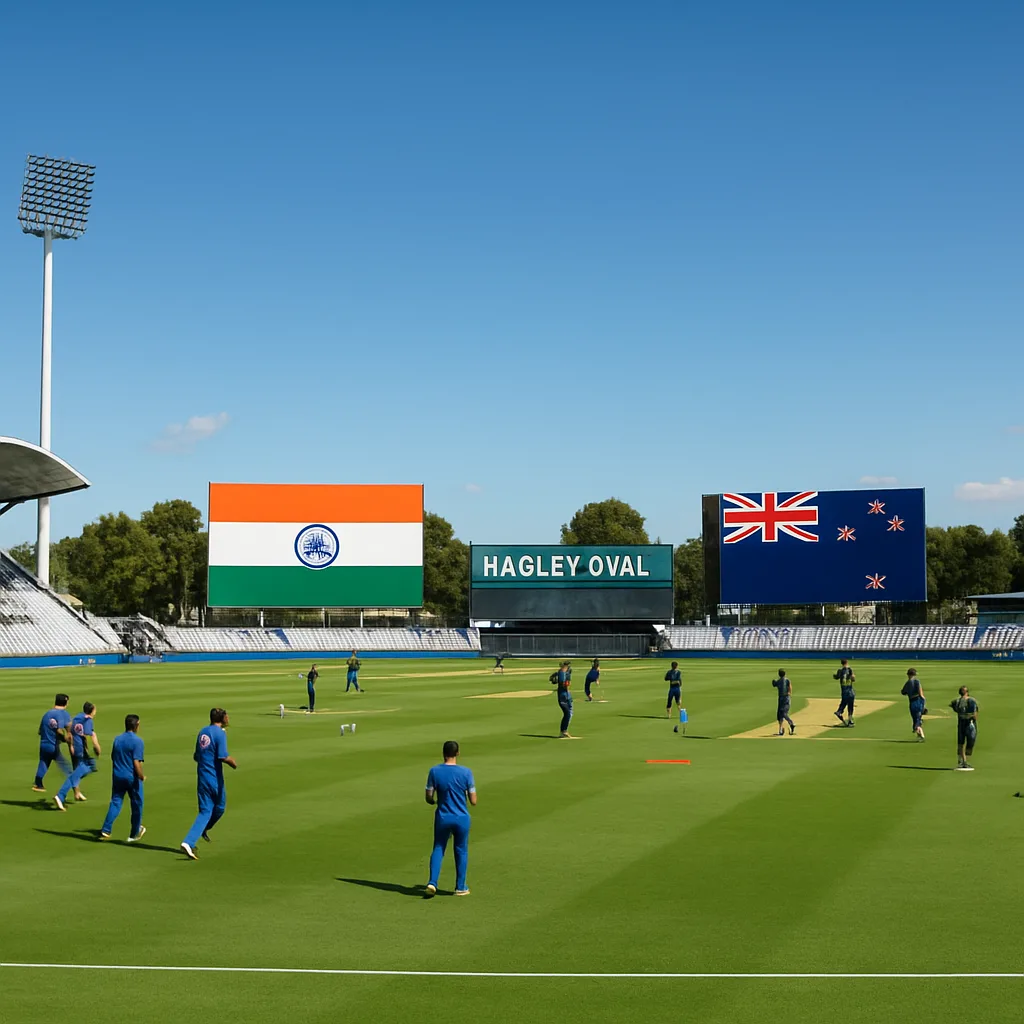
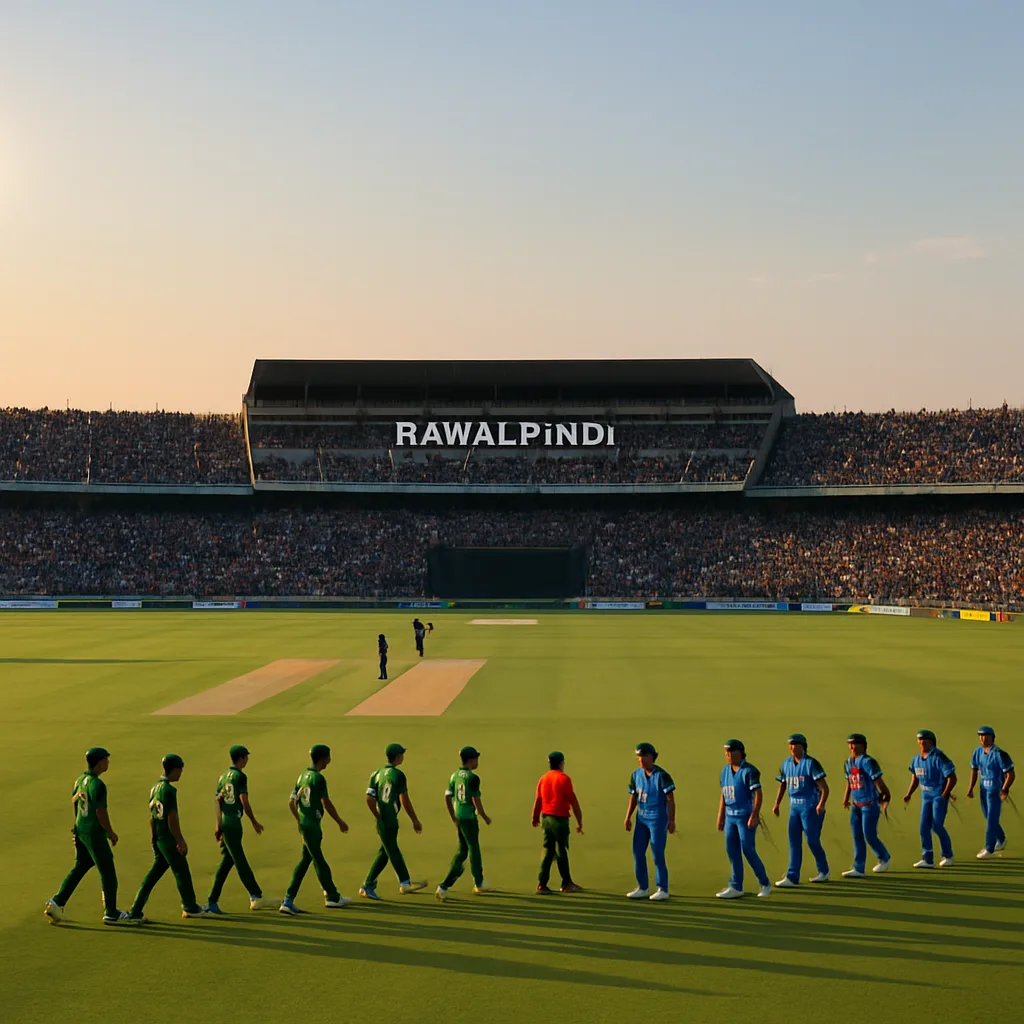
Representative image for illustration
TL;DR: India enter as the deeper batting side while Sri Lanka can compete through disciplined spin and death bowling, so the match will hinge on the powerplay and the first six overs after powerplay. Expect India to favour three seamers and two frontline spinners, Sri Lanka to balance spin and pace, and toss tactics to decide whether subcontinental pitches give the pacers early reward or smooth toward spin later.
India and Sri Lanka meet in a high-stakes Asian Games cricket match that matters for medals and national momentum. Whoever wins the early overs and controls scoring at the death will usually win. Selection trade-offs, batting depth, and how teams use their bowlers under pressure decide the finer points.
H2: Form, selection and what it means for team balance
India typically arrives at multi-sport events with a mix of experienced domestic stars and fringe internationals. That creates batting depth but sometimes leaves the bowling attack short on top-tier seamers for sustained spells. Sri Lanka often answers with compact, well-drilled units that bring a variety of spin options and an ability to bowl tight lines for long periods. That contrast shapes selection choices: India can afford to pick extra batsmen and an allrounder if it wants to preserve batting depth. Sri Lanka is likelier to prioritise three frontline spinners or two spinners plus a left-arm seamer when local conditions favour turn.
Selection trade-off: pick an extra batter and risk being light at the death, or pick an extra bowler and risk losing a long partnership breaker. Either choice alters match dynamics immediately at the toss.
H2: Batting versus bowling, tactical matchup explained
Short-format cricket at multi-day tournaments turns on two phases: the powerplay and the last five overs of an innings. Teams that score heavily in powerplays get a strategic tailwind because it forces the opposition to play catch-up early. Conversely, teams that defend strongly at the death convert middling totals into wins.
India’s strength is the middle-order platform. If top-order hitters get starts, India can accelerate through the middle overs without panic. Sri Lanka’s strength is disciplined spin and cutters that choke scoring rates. That makes Sri Lanka dangerous against teams without quick-footed batsmen who can rotate strike and loft with timing.
H2: Key players and matchups to watch
Keep an eye on the opening pair from both sides. Whoever builds a fast but stable start in the first six overs denies the other side control. Watch the first-change bowlers too; these are often where matches tilt. A seamer who can swing the new ball or a spinner who bowls tight middle-over spells around 7.5–8.5 overs matters a lot.
Matchups matter. A young, aggressive Indian batter facing a left-arm orthodox spinner who gets the ball to skid could find his sweep or loft shot unreliable. Conversely, a Sri Lankan top-order left-hander brought up against a right-arm offspinner who varies pace and flight can be exposed if he lacks clear footwork.
H2: Possible XI scenarios and concrete trade-offs
Scenario A: India picks three seamers, two spinners, and six specialist batters. The trade-off is obvious. India gets raw pace for the new ball and a batter-heavy bench for a long chase, but it may be vulnerable at the death if the seamers lack variations for slower balls and yorkers.
Scenario B: Sri Lanka picks two seamers, three spinners, and five specialist batters. This selection optimises middle-overs control and can choke run rates, especially on turning tracks. The trade-off is potential exposure if the pitch offers pace early or if the top order collapses against disciplined new-ball bowling.
Deciding the toss will often reflect which scenario each captain believes suits the pitch. If it looks tacky early, do you bowl first and use seamers to exploit moisture, or bat first and use depth to post a defendable total? The answer will depend on the inspection and who the captains trust to hold nerves.
H2: Match scenarios and how each alters tactics
If India bats first and posts 160 in a 20-over game, Sri Lanka needs to decide between steady chases using wickets or all-out hitting. A steady chase with wickets favours Sri Lanka if they believe their spinners can absorb pressure at the end. If India defends 160, then India’s captains will deploy their best slow-bowling matchups in overs 11 to 16 and save a specialist death bowler for the last two.
If Sri Lanka bats first and posts 140 to 150, India must avoid panic. Chasing in small phases helps: aim 50 in 6, 60 in 12, then accelerate. That gives the middle-order a platform and limits risky shots against spin when the ball is older.
The powerplay and death bowling decide the winner more often than the middle overs.
H2: A concrete example, chasing 150 in 15 overs
Imagine a scenario where rain shortens the game and India must chase 150 in 15 overs. That target requires a run rate of 10 runs per over. The concrete plan for India would be: take a cautious powerplay approach to avoid early wickets, target boundary options in overs 7 to 11 with hard-hitting middle-order batters, and use two designated death hitters in overs 13 to 15. The trade-off is early consolidation costs momentum but reduces the risk of a collapse when spin tightens.
Sri Lanka’s counter-plan in that same scenario would be to use an early left-arm spinner to control scoring between overs 7 and 11 and to bring on a specialist slower-ball seamer for the final three overs. If that combination bowls dot balls and widens the field to prevent easy twos, pressure forces risky swinging shots and wickets.
H2: What to watch live or on TV
Watch the scoreboard in two windows: the powerplay and the last five overs. Also watch bowler arm angles and grip changes. Small, visible changes often predict slower balls and cutters before they land. The field placement after the tenth over tells the intent. Catchers set deep on the leg side mean the bowling side expects batters to scoop; spreading the infield indicates a plan to build dot-ball pressure.
If you follow a specific player, track strike rates and economy in the match, not just season averages. A batter with a season strike rate of 140 can still struggle on turning tracks; a bowler with an economy of 6.5 may deliver a match-winning economy of under 5 in pressure overs.
H2: Practical takeaway you can act on now
If you plan to watch or bet, focus on three immediate actions: check the toss report, scan the starting XIs for the seam/spin balance, and watch the first six overs closely. Those three data points give you the clearest early signal of which side controls tempo. If you attend the ground, note the pitch at the coin toss and where the sunlight and wind are, because those micro-details often flip decisions.
Comments (0)
No comments yet. Be the first to share your thoughts!