Afrikaans Marnus Feasts at Home With Tour-Game Cen
This article was drafted with Citeya, an AI writing tool, from published reports and is published under Kishan Prajapat's name. See our editorial standards or report an error.
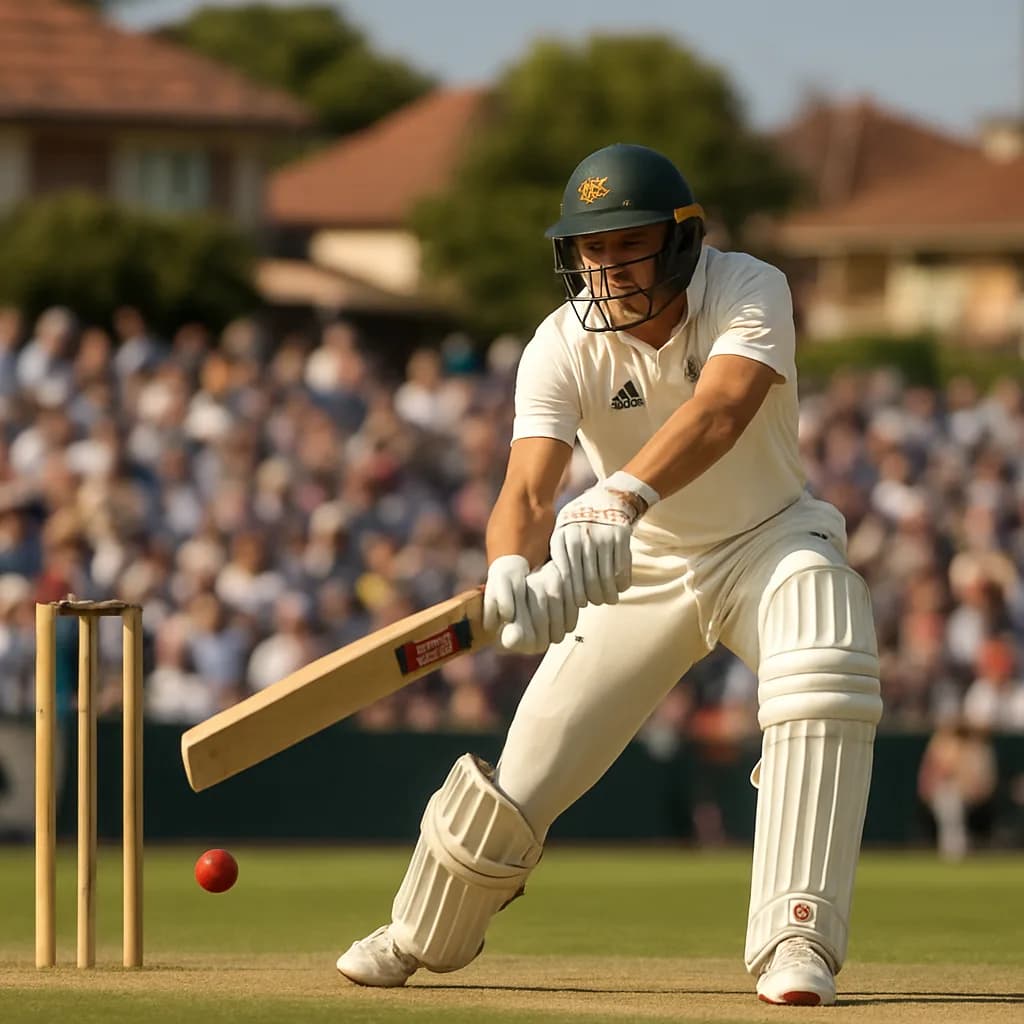
Representative image for illustration
Quick answer: big centuries in home tour games help Marnus Labuschagne sharpen technique, influence selectors and inform match-readiness, but they are only one input alongside fitness data, red-ball form and opposition analysis. A big home tour-game score boosts confidence and selection chances, but selectors must weigh workload and the lower predictive value of practice opposition versus international fixtures.
Why a tour-game hundred at home matters now
A century in a tour game gives a batter practical time at the crease under match pressure without the stakes of a Test. For a player like Marnus Labuschagne, that can mean extended sessions against bowling plans tailored to expose technical weaknesses, and the mental rehearsal of long innings. This is why domestic or tour-match runs often serve as a trigger for selection conversations: they combine form evidence with live match scenarios rather than net practice alone.
But the effect is conditional. Not every tour-game hundred is equal: runs scored against second-string attack on a placid surface do less to alter selectors' judgements than runs made under a new-ball assault or in tough outfields. Coaches treat such innings as data points, not proofs.
How selectors and coaching staff typically interpret tour-game performances
Coaching teams look at several linked indicators when a player posts tour-match runs: the quality and pace of the bowling faced, time spent at the crease, scoring patterns (e.g., percentage of runs through strike rotation), and workload measures such as minutes batted and recovery metrics. They also consider whether the innings addressed a known technical issue.
That creates a trade-off. Giving a batter extra tour-game time can improve form, but it also increases physical and mental load ahead of a Test. Coaching staffs track that load and sometimes cap match minutes to reduce injury risk. If a batter racks up big minutes in tour matches, the staff must decide whether to rest him before the Test or preserve the momentum into the first international game.
A concrete example: what a home tour-game century can change
Imagine Labuschagne scores 140 in a three-day tour match at his home venue. That innings lasts five hours, includes passages of defence against the new ball, and finishes with an aggressive last session against spinners. For the coaching staff, that performance does three things. First, it reassures them about his capacity to play long innings in match conditions. Second, it supplies live data on how he handles specific bowlers or tactics the touring team plans to use. Third, it gives selectors a recent, high-visibility sample to cite when naming the Test XI.
The same five-hour innings also raises the batter's cumulative load for the tour. If Labuschagne had already played three first-class days in the previous week, selectors face a choice: start him in the Test while he is rhythmically sharp but possibly fatigued, or rest him a day and risk breaking momentum. There is no single correct choice; each option has measurable upsides and risks.
How to read the trade-offs: a short checklist for coaching decisions
1) Cross-check the bowling quality. If the bulk of deliveries were from frontline internationals, weight the innings higher. If most overs were from fringe or club-level bowlers, downweight the score. 2) Check workload totals. Sum recent minutes batted and match practice; if the total exceeds a pre-agreed threshold, consider rotation. 3) Match the innings to upcoming conditions. If the Test will be in similar conditions, the home tour-century carries more predictive value. 4) Consider mental readiness. Big scores can relieve technical anxieties; if the batter reports improved clarity in the nets, that is meaningful.
A specific scenario and the selector's calculus
Suppose a selector must choose between a rested middle-order batter who has been in the nets and Labuschagne, who produced the 140 at the home tour game three days earlier. The selector will weigh fatigue probability against form currency. If Labuschagne’s innings included extended periods against the touring side’s lead bowlers and he logged controlled scoring early in the innings, a selector may pick him despite modest fatigue because the innings directly addressed the tactical threats expected in the Test. Conversely, if the innings was largely accumulated late against part-time attack, the selector may prefer the rested option.
Performance data and sports science provide the measures to quantify that fatigue-risk. Coaching teams increasingly rely on recovery measures, sleep logs, muscle soreness scores, and heart-rate variability, to guide selection decisions, not just runs alone. Those metrics let staff quantify the fatigue-risk in ways match runs cannot.
Common misconceptions about tour-game centuries
A common misconception is that a tour-game century automatically guarantees Test selection. It does not. Selection panels treat tour-match centuries as strong signals but not definitive proof, especially when the opposition quality is weak or the innings came on an unusually placid surface. Another misconception is that tour runs replace the need for first-class match practice. They complement it, but selectors still value red-ball runs in higher-standard competitions as a stronger predictor of Test performance.
Practical steps coaches and selectors should take now
Coaches should set explicit workload and recovery thresholds before tours and share them with selectors to keep decisions transparent. A simple operational step is publishing a tour-load chart that records minutes batted, overs bowled against, and recovery scores; coaches can then make on-the-day calls about whether to let a batter finish a tour game or declare early to protect workload. Selectors, for their part, should document how much weight they place on tour-match centuries versus other indicators and communicate the criteria to players before a tour begins.
A concrete action for players: if you score a big tour-game hundred, request that the sports-science staff run a short battery of recovery tests within 24 hours. Those results materially affect selection discussions and can flip a borderline decision.
Questions readers typically ask
What does a home tour-game century predict about Test form? It predicts short-term batting rhythm and confidence, particularly when the innings includes time against frontline bowlers and strategy execution. It is less predictive if the bowling quality was weak.
Should players always complete a tour-game innings if they're scoring well? Not always. If completing the innings pushes cumulative load past recovery thresholds, the sensible choice can be to declare or to retire to protect Test readiness.
Actionable takeaway
Treat a home tour-game century as a valuable but conditional signal: coaches should map the innings against bowling quality and workload totals before endorsing the player for the Test XI, and players should use immediate recovery testing to strengthen their selection case. That approach turns a high score into a usable piece of evidence rather than a headline alone.
Meta description (150-160 characters): A practical look at why Marnus Labuschagne's home tour-game centuries matter for selection and workload, with steps coaches and selectors should take.
Comments (0)
No comments yet. Be the first to share your thoughts!