The IPL's Legacy: How T20 Cricket Rewired the Spor
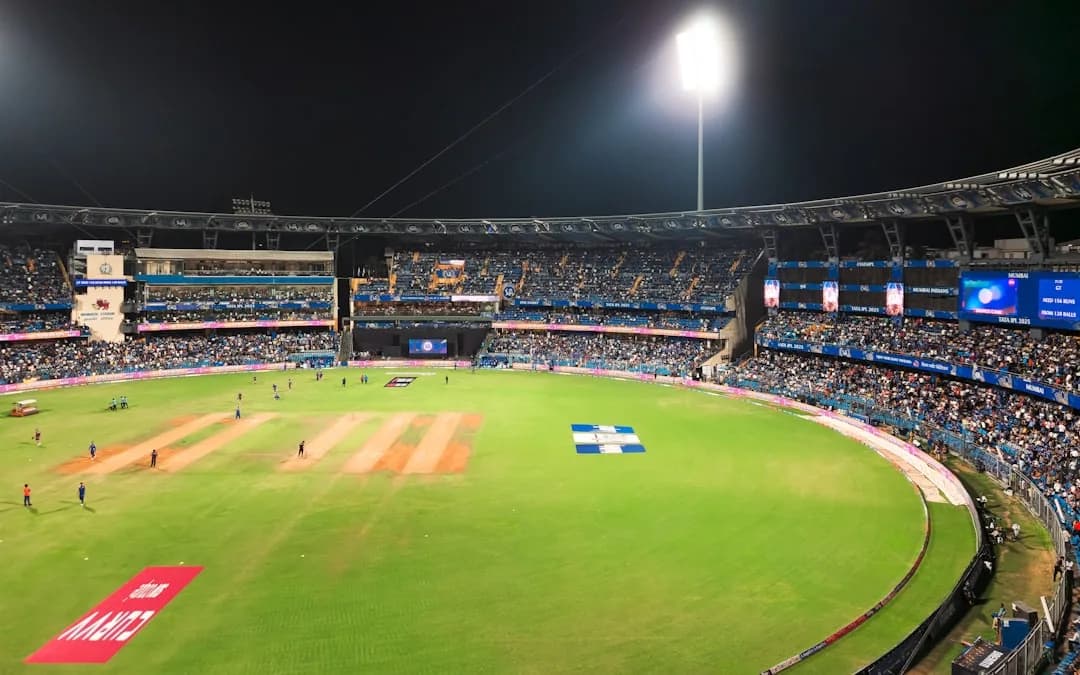
Representative image for illustration
A packed stadium, a final over, a six that changes everything. The Indian Premier League did that in 2008 and never really stopped changing cricket. In short: the IPL moved money, attention, and priorities toward short-form cricket, and we're still unpacking the fallout across scheduling, player development, and broadcast economics.
The title might be clumsy, but the point is simple, this tournament rewired how cricket is played, paid for, and watched. The tournament started in 2008 and quickly became the highest-profile T20 league worldwide, drawing franchises, broadcasters, and global players into a compact, entertainment-first model. The truth is, it's hard to overstate how quickly attention moved from five-day Tests and long domestic seasons to a three-hour, spectacle-driven product.
Put bluntly, money follows eyeballs. The IPL proved that by selling franchise rights, media deals, and branded inventory at scale, and by doing so it reset salary expectations for players across formats. Broadcast contracts now price rights around the IPL window, not the Test match season. As a concrete marker, major franchises and broadcasters treat the IPL as their television tentpole, timing advertising and sponsorship deals around the April-May window each year.
One-liner.
How the IPL Reordered Money and Media
The tournament didn't tinker at the edges, it rewired revenue models almost overnight. Where boards once relied on bilateral series and ICC events, the IPL created franchise valuation as football clubs once did. Officials and industry observers have repeatedly cited franchise sales and media rights as the engine for the sport's modern commercialization. For players, the result was immediate: short-term tournament wages often exceeded long-term central contracts in many countries. Leagues elsewhere copied the model, trying to match the IPL's calendar impact and sponsorship pull.
This shift also rewired broadcasting. Networks started to schedule prime slots, insert entertainment breaks, and sell higher CPMs against IPL inventory. Streaming platforms joined the bidding, and advertisers reallocated their budgets. The net effect is that cricket's calendar is increasingly front-loaded with T20 events that demand headline broadcast investment.
Playing Style, Training, and the New Skill Set
T20 isn't just a shorter match, it's, in many ways, a different sport: tactics, fitness, and batting tempo all shifted. Bowlers developed slower balls, short-pitched plans, and cross-seam variations. Batsmen learned to clear boundaries off mis-hits and to rotate strike under intense pressure. Coaches rebalanced training toward power, agility, and high-intensity intervals, and specialists for death overs and powerplay bowling became standard.
Now the game prizes strike rate and those game-changing bursts over slow, accumulative innings. That trade-off affects how young players are scouted: scouts look for power hitting and inventive shot-making, sometimes at the expense of technique that serves longer formats. The evidence suggests academies and youth systems adapted fast, adding strength programs and throwing practice focused on 30-ball bursts.
One-liner.
Scheduling, Formats, and International Cricket
The IPL's calendar squeeze forced boards and the ICC to juggle fixtures. International windows are now negotiated around T20 leagues, and that creates friction. National teams want their best players available for Tests and ODIs, but franchises pay handsomely, and players have to choose where to commit energy and recovery.
And that choice actually matters when you look at national team performance. Test cricket requires stamina and a different mental approach, and some critics say that an overemphasis on T20 threatens the game's longer forms. To be fair, others argue the income and exposure T20 provides helps players remain professional and available. The problem is the calendar has finite hours, and the IPL often wins the time slot. In my view, that tension is the defining scheduling headache of the modern era.
Cultural Shifts, Fans, and Grassroots Impact
The IPL turned stadiums into something closer to musicals, mascots, celebrity owners, and spectacle became the story. That drew new fans, including younger, urban viewers who might never attend a Test match. Teams built local identities, and fan engagement metrics moved beyond attendance to social media and app interactions. The league's entertainment packaging also encouraged live music, cheer squads, and half-time acts, and that changed how people perceive cricket matches overall.
At grassroots level, more kids now take up hard-hitting and athletic training, pushing clubs to provide shorter-format coaching. That reshapes talent pipelines. Some academies now run specific T20 modules, scouting for six-hitters and versatile fielders. The truth is, participation increased, but the type of skill emphasis changed. I think that's a net positive for participation, even if it narrows some early development paths.
One-liner.
Trade-Offs, Criticisms, and Misconceptions
A lot of people say the IPL killed Test cricket, that's a misconception. Test cricket continues with historic series and passionate followings, and records are still made in the five-day format. The real effect is diversion of attention and scheduling pressure, not extinction. Experts say the formats can coexist if calendars are managed better and if boards value long-form pay and prestige appropriately.
Another criticism targets player burnout. Players juggling international duty and franchise commitments can face congested schedules and injury risk. Available records show increased load management conversations and strategic player rests during heavy windows. The problem is structural: national boards, franchises, and players all have incentives that sometimes clash.
Still, there's a positive angle. The IPL provided incomes that allowed players to focus on cricket full-time, and many fringe players turned franchise form into international chances. The balance is complex. Look, the sport changed, and trade-offs come with that change.
One-liner.
Practical Takeaway for Players, Coaches, and Organizers
For players: prioritize workload planning and diversify skill sets so you can be valuable in all formats. For coaches and academies: rebuild training curricula to include power programs, situational T20 drills, and periods that preserve longer-format technique. For organizers and boards: negotiate clearer windows, attach premium pay for Test commitments, and experiment with player-release rules that protect international competition.
A concrete scenario helps. If a national board schedules a three-Test series immediately after a franchise season, they should offer a staggered return protocol: two days off, phased training, and a reduced workload in the first Test. That reduces injuries and improves quality.
Frequently Asked Questions
Frequently Asked Questions
Q: Has the IPL hurt Test cricket? A: No, it has not killed Test cricket, but it has pressured calendars and attention. Tests continue to attract fans and records, but boards must protect windows and ensure players are compensated for Test commitments.
Q: Do young players need to choose between formats? A: Not necessarily, but early career choices tilt development. Young players who prioritize T20 skill may need targeted later work to convert to Tests; coaches should plan long-term skill maintenance.
Q: Can leagues like the IPL be regulated to reduce clashes with international cricket? A: Yes, through negotiated calendars, player-release agreements, and coordinated broadcast windows. Cooperation between boards and leagues is the practical path forward.
One-liner.
The IPL's Legacy: How T20 Cricket Rewired the Spor shows that the sport's economics, style, and calendar were all transformed by a single, highly commercial league that began in 2008, creating winners and real tensions. The actionable step is clear: boards, franchises, and coaches must agree on windows, protect player welfare, and adapt training so players can thrive across formats. If stakeholders do that, fans get both spectacle and the deeper contests they still love.
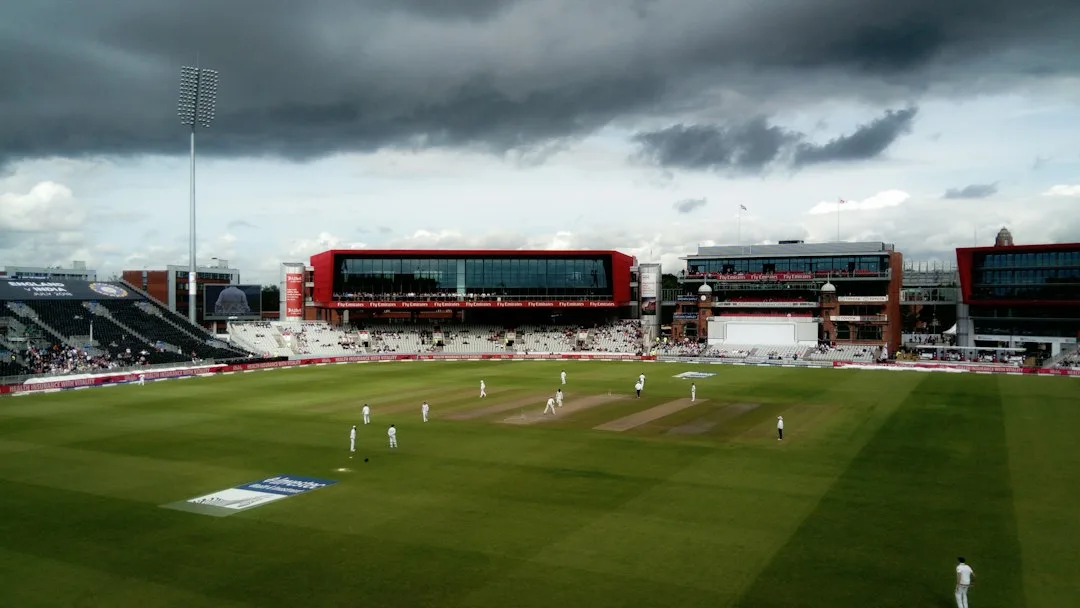
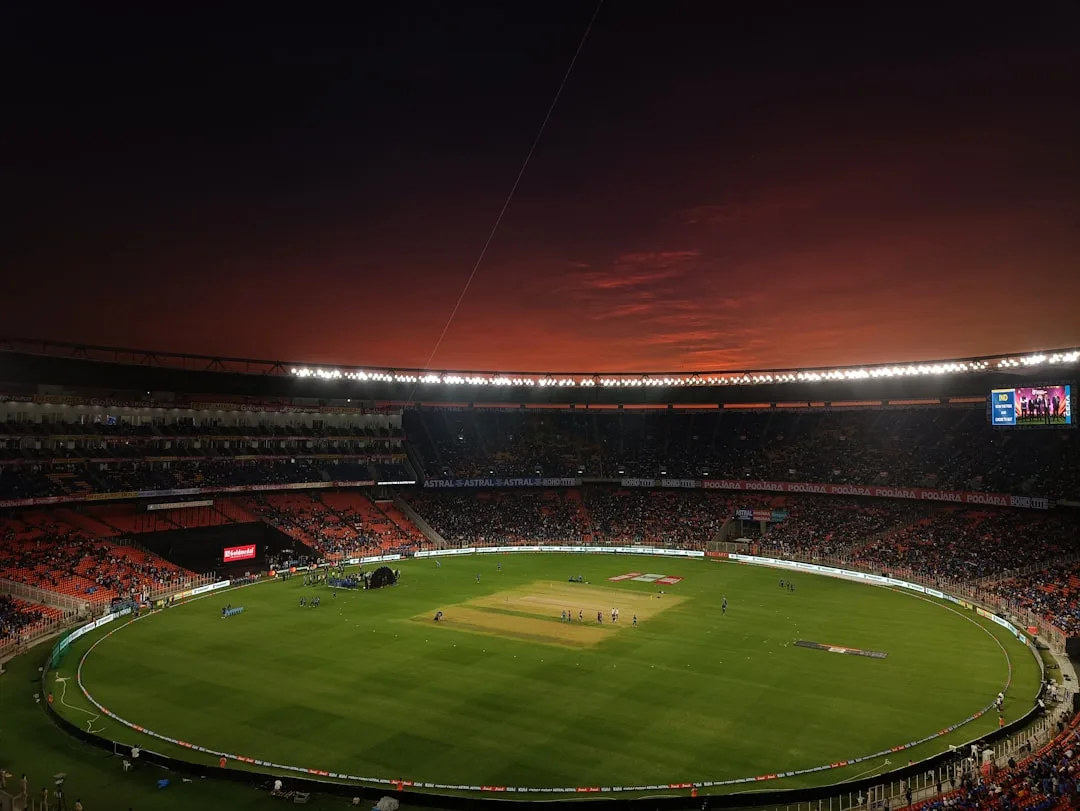
A packed cricket stadium at dusk with cheering fans, colorful team jerseys, large LED screens, and fireworks after a six; focus on urban stadium architecture and broadcast cameras.
A close-up of a batsman mid-swing in a T20 match, sweat on forehead, crowd blurred in background, with visible advertising hoardings and a scoreboard showing the over count.
Comments (0)
No comments yet. Be the first to share your thoughts!