The Evolution of International Cricket: From Test Matches to T20
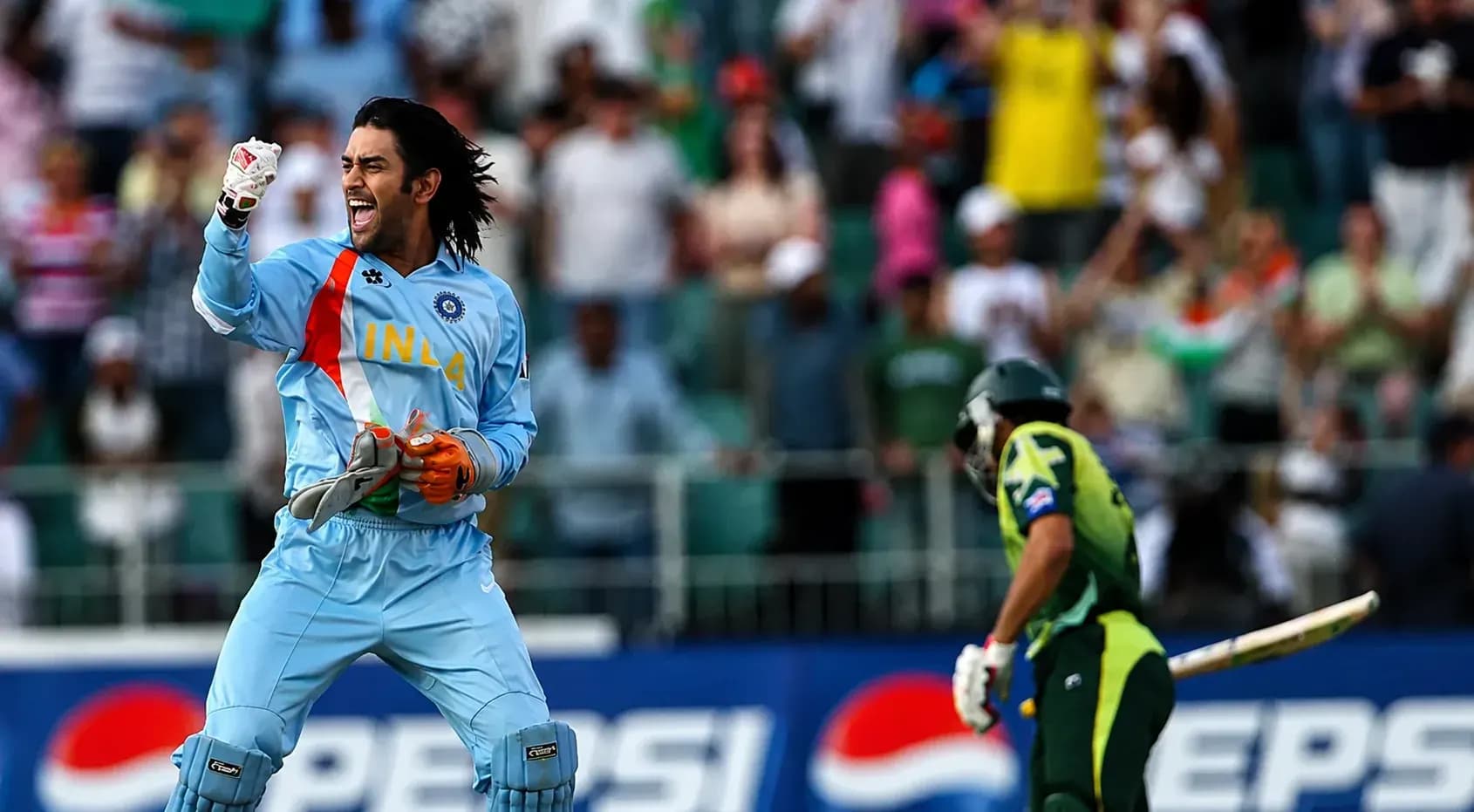
Representative image for illustration
Cricket has evolved over the last 150 years. It has now grown to be a global sport with ODIs, T20Is and big tournaments organized by the ICC from the traditional format of Test matches. Test cricket is still about skill and stamina, but the shorter formats have taken the game’s popularity around the world. Innovations such as the Decision Review System (DRS), player analytics and franchise leagues have modernized cricket, attracting millions of fans while maintaining the deep traditions and competitive spirit that characterize the international game.
The Birth of International Cricket
History in the England
Cricket was first played in the south of England in the sixteenth century. It began as a recreational activity but it evolved into a sport with formal rules and county competitions. By the 18th century cricket had become England s national summer sport with famous venues like Lord s and growing crowds. As the British Empire expanded, cricket was brought to Australia, India, South Africa, New Zealand and the Caribbean by soldiers, traders and settlers. Local communities embraced the sport, setting the stage for international competition.
First International Tours
International cricket began with overseas tours, rather than official tournaments. English sides toured Australia and North America and Australian sides later toured England. These tours, which lasted several months, included many first-class matches before the principal international fixtures. The England-Australia rivalry quickly became the nucleus of world cricket and began to draw an increasing amount of public interest.
First International Match (Official)
The first international cricket match recognised was between the United States and Canada, at New York, 1844. It was not a Test match but it was the start of international cricket between national sides. Decades later, the first official Test match would be played and the game would be changed forever.
UK Expansion Outside
Cricket spread rapidly to the British colonies in the late 19th and early 20th centuries. Slowly South Africa, New Zealand, India, Pakistan, Sri Lanka, Bangladesh, Zimbabwe, Ireland and Afghanistan were inducted into the international cricket community. Today, cricket is followed by millions in Asia, Oceania, Africa, Europe and North America.
Test Cricket: The Original Version
Test cricket is the oldest and most respected form of the game.
• 1877 First Test
The first official Test match was played between Australia and England in March 1877 at the Melbourne cricket ground. Australia won the historic match by 45 runs, igniting one of sport’s greatest rivalries.
• The Five Day Format
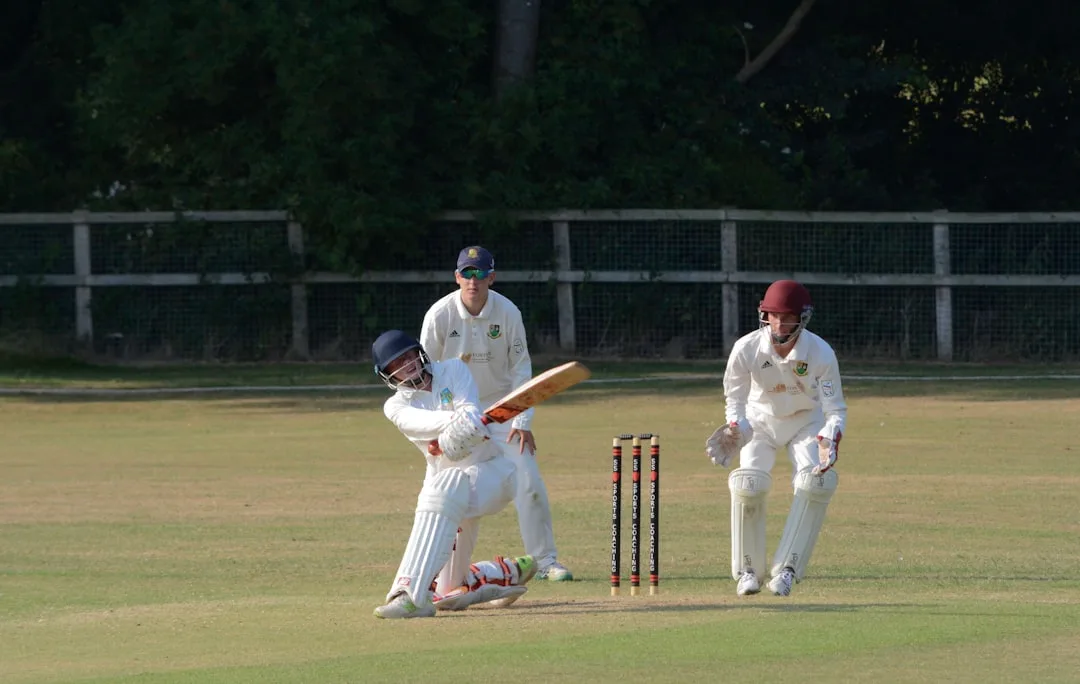
Unlike limited-overs cricket, there is no restriction on overs in test matches. Test matches are played over five days. Teams must have patience, endurance, tactical planning and technical excellence. Test cricket is a real test of skill and character as each and every session can change the momentum.
• The Ashes
The Ashes has a history of few sporting contests. Since 1882 England and Australia have played for the famous urn in one of the most celebrated rivalries in cricket. Memorable performances from Sir Donald Bradman, Ian Botham, Shane Warne, Ricky Ponting, Alastair Cook, Ben Stokes and many more have defined Ashes history.
• Rivalries of the Past
England v Australia remains iconic, but there are a number of other rivalries that have become just as significant:
• India Pakistan
• India v Australia
• England v India
• Australia & South Africa
• New Zealand and England
They have produced some of the greatest Test matches ever played.
• Importance of Test Cricket
Test cricket is still the ultimate form of the game, despite the popularity of the shorter versions. Test cricket requires discipline, adaptability and mental resilience few formats can muster.
Formation of the ICC
The Imperial Cricket Conference (now the International Cricket Council (ICC)) was formed in 1909 by England, Australia and South Africa. The main purpose was to establish a governing body to regulate international matches and ensure consistent rules of play.
As international cricket grew and more countries took part, the ICC expanded massively over the decades. Today it oversees:
• International game conditions
• Rankings ICC
• International tournaments
• Quality of umpiring
• Anti-corruption efforts
• Cricket (Women)
• Associate member development
The ICC now has over 100 member nations and cricket is one of the fastest growing sports in the world.
The Development of ODI Cricket
• First ODI in 1971
Limited-overs international cricket officially began in January 1971 when a scheduled Test between Australia and England was washed out.
Officials brought in a 40-over match to entertain spectators, unwittingly inventing a new revolutionary format.
• Why was ODI Cricket Introduced
ODIs addressed a number of challenges:
• Reduced playing time
• A guaranteed result
• Enhanced TV scheduling
• More interest from spectators
The format proved very popular, allowing fans to see a whole match in one day.
• The evolution of One-Day cricket
Introductions over time in ODI cricket:
• Dyed clothing
• White balls (cricket)
• Day-night contests
• Embargoes
• Restrictions on fielding
• Tactical batting innovations
These changes turned the game into an exciting balance between patience and aggression.
Cricket World Cup Altered Everything
The first Cricket World Cup was played in England in 1975. It started with 8 teams and 60-over games and soon became the biggest event in cricket on the world stage.
The WC was useful.
• Develop cricket in non-traditional countries
• Increase television audiences
• Obtain major sponsorships
• Inspire youth players around the world
With the advent of broadcasting technology, the World Cup became one of the most-watched sporting spectacles worldwide, exposing cricket to millions of homes.
The T20 Cricket Revolution
• Introduction 2003
The England and Wales Cricket Board introduced Twenty20 cricket in 2003 to attract a younger audience and to provide shorter matches with an entertainment focus. "Games were completed in about three hours, with only 20 overs per team.
• First T20 WC
The inaugural ICC Men’s T20 World Cup was held in South Africa in 2007. MS Dhoni s dramatic win in India turned T20 cricket into an international phenomenon.
• Entertainment Value
• Aggressive batting
• Inventive stroke play
• Athletic fielding
* High volume stadium entertainment
• Evening games
• Suitable for family viewing
The format attracted new audiences who preferred shorter sporting events.
• Global Audience
Today, T20 cricket is watched by billions of people on television and digital platforms and is one of the most commercially viable formats of the game.
Franchise Cricket Era
The success of T20 cricket has led to franchise leagues all over the world.
Some of the most popular events are:
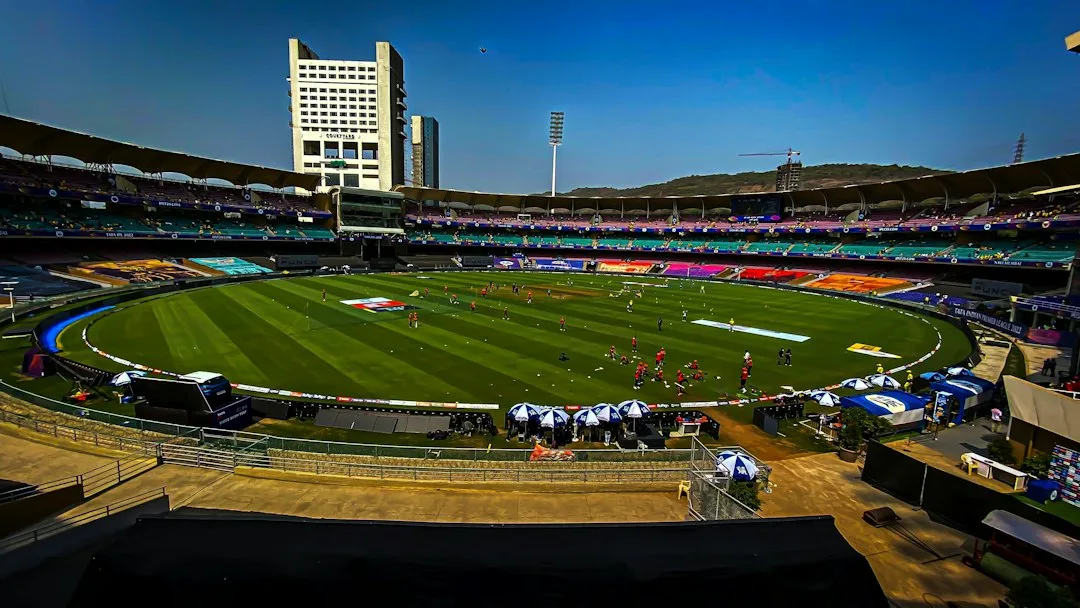
• Indian Premier League (IPLeague
• SA20
• BBL (Big Bash League)
• Pakistan Super League (PSL)
• ILT 20
Major League Cricket (MLC)
• The 100
These tournaments have altered cricket in a number of ways. Now, players play with international teammates, learn new tactics, and earn lucrative professional contracts. Franchise leagues have also impacted on international scheduling with cricket boards increasingly trying to juggle domestic leagues and international commitments.
Young players are getting exposure to world-class coaches and broadcasters and sponsors are still heavily investing in franchise competitions.
Technology Changed Cricket
Technology has become an integral part of modern day cricket.
• Decision Review System (DRS)
DRS will reduce umpiring errors and allows teams to challenge on-field decisions with a range of technologies.
• Hawk eye
Hawk-eye is amazing at predicting the path of the ball and helping with LBW decisions.
• Ultra Edge
UltraEdge uses sound analysis to detect the smallest edges between bat and ball to help officials make more accurate decisions.
• Tracking the Ball
Ball-tracking technology has improved decision-making and given viewers more detailed tactical insight.
• Smart Analytics
Teams now analyse players’ performances in detail, with strike rates, wagon wheels, pitch maps and match simulations.
• Performance Technology Wearables
GPS trackers, heart-rate monitors and fitness sensors that help coaches monitor workloads and reduce injury risks.
Read More: Virat Kohli 300th ODI Innings
ODI vs T20 vs Test Comparison
| Feature | Test | ODI | T20 |
|---|---|---|---|
| Overs | Unlimited | 50 | 20 |
| Duration | Five Days | Around 8 Hours | Around 3 Hours |
| Strategy | Patience | Balance | Aggression |
| Skills | Technique | Adaptability | Power & Innovation |
Each of the formats has its own challenges and is still important to the global appeal of cricket.
Timeline
| Year | Milestone |
|---|---|
| 1877 | First Test Match |
| 1909 | ICC Founded |
| 1971 | First One-Day International (ODI) |
| 1975 | First ICC Cricket World Cup |
| 2003 | First Professional T20 Competition |
| 2007 | First ICC T20 World Cup |
| 2008 | Indian Premier League (IPL) Begins |
| 2020s | Rapid Expansion of Franchise Cricket Worldwide |
CricLegacy Expert Opinion
International cricket has managed to balance tradition with innovation. The modern game has been changed for the better of competition and decision making through aggressive batting, modern technologies like the DRS and franchise leagues. Domestic T20 tournaments have sped up the development of players but have also caused scheduling problems for international cricket. The ICC’s main priority is to protect Test cricket while also expanding franchise competitions. At the same time, the rapid growth of women’s cricket and the steady progress of emerging nations continue to strengthen the global future and long-term growth of cricket.
FAQs
Q1. How did international cricket begin?
International cricket began with overseas tours between England and other countries, before the first official international match between the United States and Canada in 1844.
Q2. When was their first Test match?
The first official Test match was played in March 1877 between Australia and England at the Melbourne Cricket Ground.
Q3. When did the ODI cricket start?
ODI cricket started in January 1971 when a rain-affected Test match between Australia and England was abandoned.
Q4. Why did they bring in T20 cricket?
T20 cricket was brought in 2003 to make the game more exciting and to appeal to the modern audience and to attract new fans.
Q5. What’s the most used format?
Although T20 cricket is the most commercially popular due to its fast-paced nature and franchise leagues, many players and cricket fans consider Test cricket to be the most prestigious format.
Q6. What has cricket changed over the years?
The traditional Test matches have now evolved into a spectrum of international formats supported by state-of-the-art technology, global broadcasting, franchise leagues, performance data and systems for professional player development, and cricket is considered one of the most dynamic sports in the world.
Comments (0)
No comments yet. Be the first to share your thoughts!