Indian Women’s Cricket Team Wins First Asian Games Gold in Aichi
This article was drafted with Citeya, an AI writing tool, from published reports and is published under Kishan Prajapat's name. See our editorial standards or report an error.
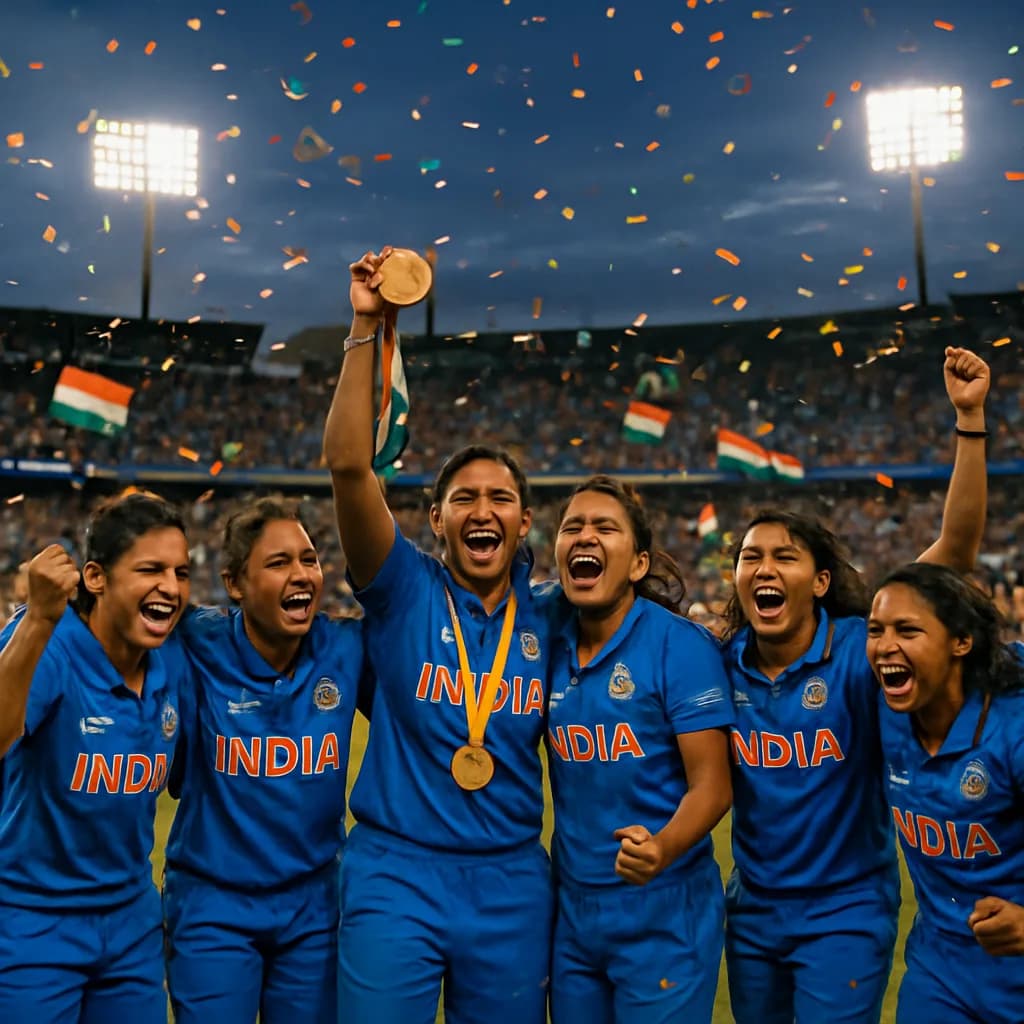
Representative image for illustration
India’s women’s cricket team captured the country’s first Asian Games gold medal in Aichi-Nagoya, Japan, ending the tournament with a historic triumph that officials and players immediately celebrated. India won the women’s cricket gold at the 2026 Asian Games, a result linked to broader Olympic and Commonwealth ambitions promoted by the Board of Control for Cricket in India and the government; India finished the Games with 85 medals overall.
The victory was followed by a high-profile post-Games reception that included Prime Minister Narendra Modi and members of India’s gold-winning teams, according to the Board of Control for Cricket in India. The celebration underlines how cricket’s regional success is being linked to India’s wider multi-sport strategy and medal targets.
How the gold was won and the match context
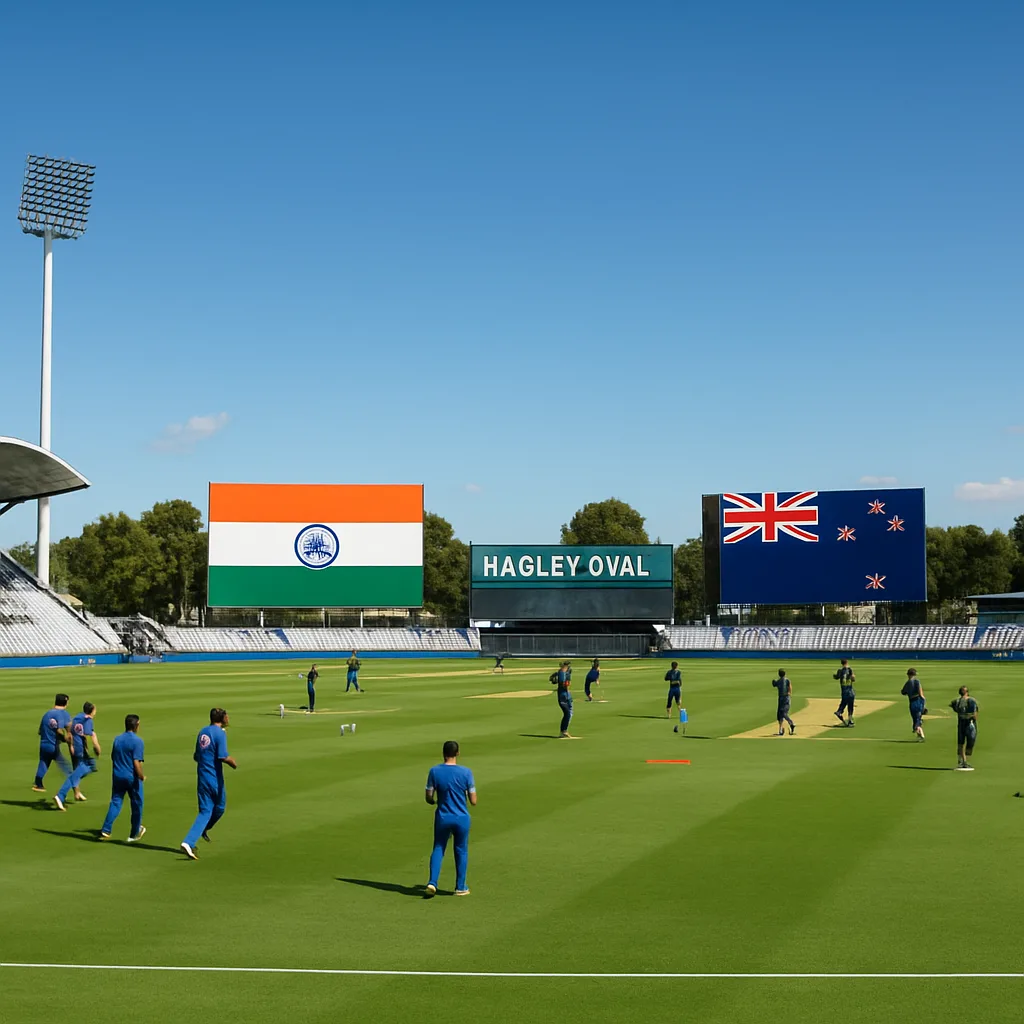
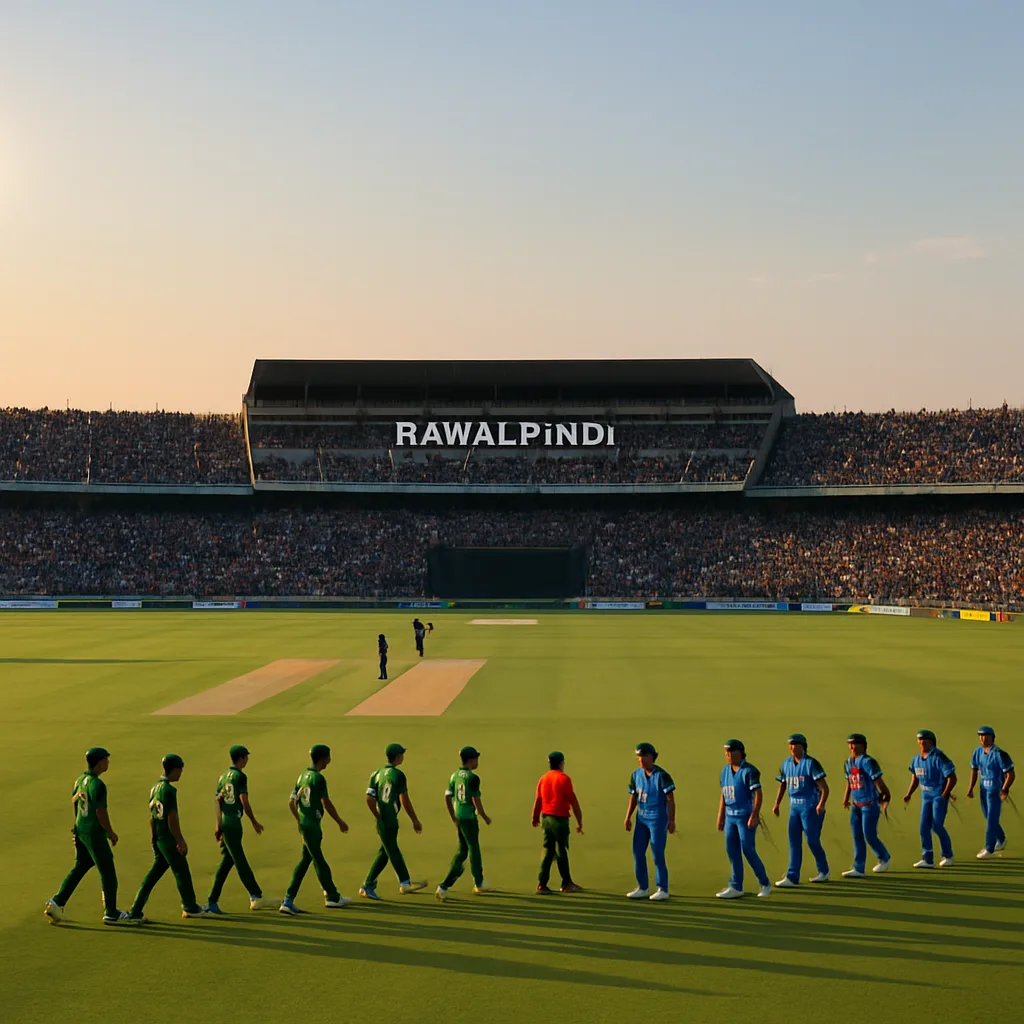
India’s women’s side navigated a compressed tournament schedule in Aichi-Nagoya to reach the final and win gold. Several match reports framed the final as more than a single game: it was part of a broader effort to raise India’s standing across multi-sport events, a goal the BCCI has aligned with government plans for Commonwealth and Olympic pathways, according to The Athletic (The New York Times network) on October 3, 2026. The Athletic piece explains the match against Pakistan carried symbolic weight beyond sport, shaping public attention and administrative momentum for cricket’s global ambitions [https://www.nytimes.com/athletic/7652037/2026/10/03/india-pakistan-asian-games-cricket-olympics/].
The side that beat Pakistan did so under a compressed schedule with short recovery times. That required rotation decisions and tactical bowling changes that rewarded depth over a single star performance. The trade-off is clear. Rotating bowlers preserves fitness across a multi-match window but risks weaker bowling in any one fixture. Tournament success showed India took the rotation risk and it paid off.
Who stood out, players and stats
Several individual performances were singled out in coverage of India’s campaign. Multiple sources highlighted women athletes who made history at the Asian Games, naming players such as Raiza Dhillon and Anahat Singh among others who produced milestone performances in their sports during the event [https://www.sportscapemagazine.com/blog/indian-women-history-makers-asian-games-2026-anahat-singh-neeru-dhanda]. While match-by-match scorecards for the final are not reproduced in every outlet, The New York Times coverage described the India-Pakistan victory as decisive in public impact terms, and the BCCI documented the teams’ subsequent meeting with Prime Minister Modi as recognition of gold-winning performances by both the men’s and women’s cricket squads [https://www.bcci.tv/news/article/indias-asian-games-gold-winning-cricket-teams-meet-pm-modi].
India left Aichi-Nagoya with 85 medals in total, including 21 golds, which places the women’s cricket gold among the country’s headline achievements at these Games [https://newsindiatimes.com/india-makes-good-showing-at-asian-games-in-aichi-nagoya-japan/], [https://timesofindia.indiatimes.com/sports/asian-games-2026/asian-games-2026-indias-biggest-hits-and-flops-from-historic-golf-gold-to-tennis-medal-drought/articleshow/134669287.cms]. Those counts are concrete metrics administrators will use to measure the impact of the cricket program on multi-sport targets.
What the gold means for Indian cricket and sport policy
The gold is both symbolic and strategic. Symbolically, a women’s cricket gold at the Asian Games raises the sport’s profile among Indian policymakers and the public in ways men’s domestic events have not. Strategically, the BCCI’s meeting with Prime Minister Modi underlined how sport administrators intend to push cricket into discussions about Olympic and Commonwealth calendar alignment, as reported by the BCCI and covered in broader analysis [https://www.bcci.tv/news/article/indias-asian-games-gold-winning-cricket-teams-meet-pm-modi], [https://www.nytimes.com/athletic/7652037/2026/10/03/india-pakistan-asian-games-cricket-olympics/].
Trade-offs appear quickly. Prioritising international multi-sport success places additional scheduling pressure on domestic leagues like the Indian Premier League, which are commercially crucial. Officials must balance sending top squads to events such as the Asian Games against the financial imperatives of franchise cricket. That will shape selection policy going into Commonwealth and Olympic cycles.
How this fits into India’s overall Asian Games performance
India finished the 2026 Asian Games in fourth place with 85 medals: 21 gold, 27 silver, and 37 bronze, a count reported across multiple outlets that tracked the final tally [https://m.economictimes.com/news/sports/other-sports/asian-games-2026-indias-biggest-hits-and-misses-after-85-medal-campaign/articleshow/134670613.cms], [https://ap7am.com/en/136967/india-finish-fourth-at-asian-games-2026-with-85-medals-after-golden-campaign]. The women’s cricket gold sits alongside other high-value wins such as hockey and golf golds that commentators listed among India’s biggest hits at the Games [https://timesofindia.indiatimes.com/sports/asian-games-2026/asian-games-2026-indias-biggest-hits-and-flops-from-historic-golf-gold-to-tennis-medal-drought/articleshow/134669287.cms].
Before the Games, a common misconception was that cricket’s regional wins are automatically minor compared with Olympic sports. Coverage in The New York Times network argued otherwise, saying the India-Pakistan match raised the event’s profile and mattered for selection of cricket’s place on larger multisport calendars [https://www.nytimes.com/athletic/7652037/2026/10/03/india-pakistan-asian-games-cricket-olympics/]. That counters the idea that cricket’s impact at events like the Asian Games is merely ceremonial.
The practical next steps for players and administrators
To convert this gold into long-term gains, administrators should consolidate player workload plans, map domestic windows to international multi-sport calendars, and invest in high-performance support for short-format tournaments. A compact checklist helps clarify priorities:
- Review workload protocols and rotation strategies used at Aichi-Nagoya.
- Align one domestic window per year for multi-sport event preparation.
- Fund sport science and recovery staff focused on T20 and multi-match tournaments.
Each step involves trade-offs. For example, reserving a domestic window reduces franchise revenue opportunities in the short term. But not doing so risks player burnout and weaker international squads. The BCCI’s public engagement with government leaders after the Games shows institutional appetite for coordination, which administrators can exploit to win calendar concessions and funding [https://www.bcci.tv/news/article/indias-asian-games-gold-winning-cricket-teams-meet-pm-modi].
Players need clearer selection communication and performance targets tied to multi-sport events so their careers can be planned around both IPL contracts and national duties. That requires cooperation between national selectors, franchises, and the players’ association.
Takeaway: What you can watch or do next
If you follow Indian cricket, watch how selection and workload decisions change before the next Commonwealth and Olympic cycles; those policy moves will determine whether the Aichi gold is a single bright moment or the start of a sustained campaign. For fans and local coaches who want to support rising players, focus on three actions: attend domestic women’s fixtures to increase gate and broadcast interest, follow and share official BCCI updates to build public pressure for calendar alignment, and encourage local associations to invest in player recovery and short-format tactics. The gold has opened a window. The next step is strategy, not celebration.
Comments (0)
No comments yet. Be the first to share your thoughts!