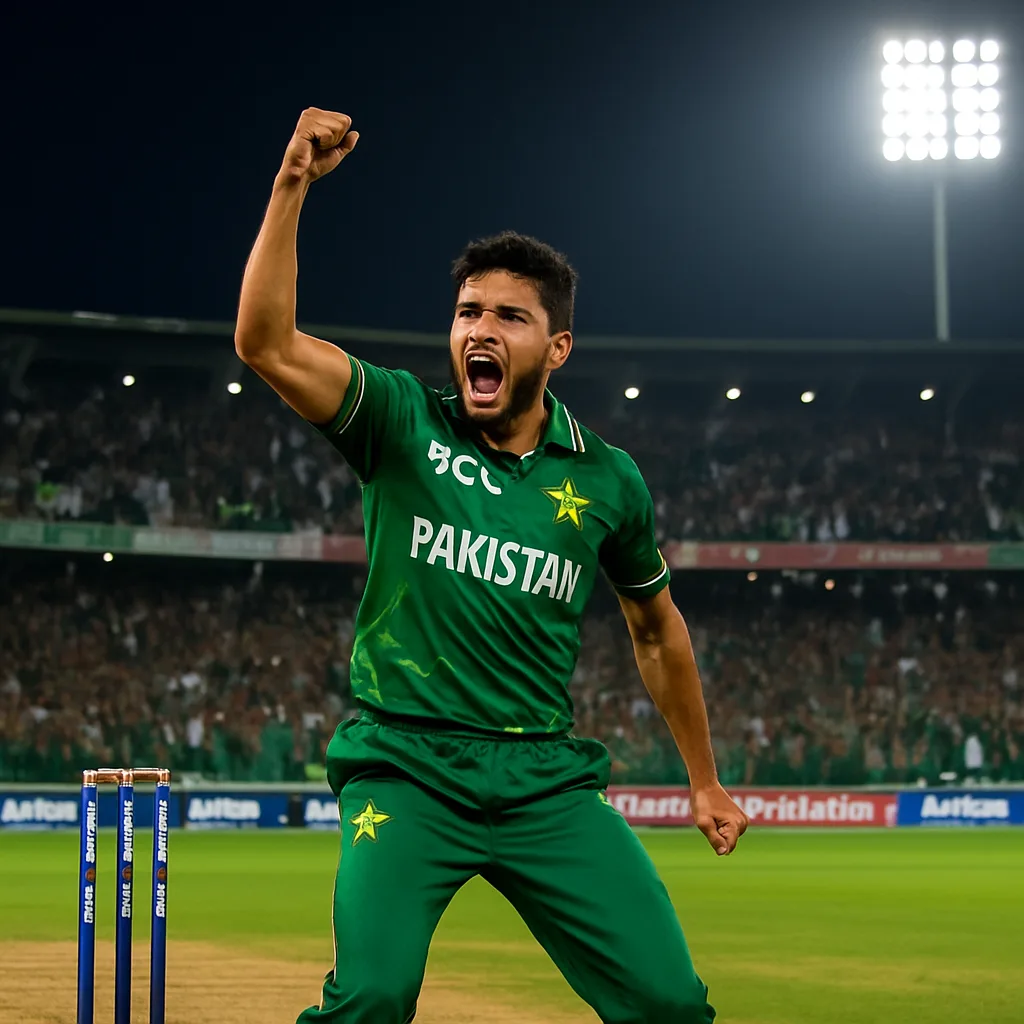
Pakistan National Cricket Team: Decline, Drama and a Possible Rebuild
This article was drafted with Citeya, an AI writing tool, from published reports and is published under Kishan Prajapat's name. See our editorial standards or report an error.
Representative image for illustration
One stat hurts: Pakistan were the world No. 1 in Tests about ten years back, and now they've managed only two wins across their last 13 Test series, a stark fall in red-ball form and continuity. Bottom line: Pakistan's in trouble, on and off the pitch, thanks to squad purges, coaching churn, political meddling and a domestic system that's not feeding Tests properly.
This isn't clickbait, the headlines match the facts on the scoreboard. The New York Times Athletic reported Pakistan had been ranked No 1 in Tests about ten years ago, which frames the scale of decline and expectation https://www.nytimes.com/athletic/7516747/2026/08/18/pakistan-test-cricket-babar-azam-england-tour/.
How the Pakistan national cricket team went from top to turmoil
Available records indicate the fall wasn't overnight. The Guardian points out that tourists returned to England having won just two of their last 13 Test series, a clear performance metric that contrasts sharply with their position a decade earlier https://www.theguardian.com/sport/2026/aug/18/pakistan-have-pedigree-but-lack-of-wizardry-10-years-on-from-glorious-summer. That stat bundles selection churn and weaker long-form preparation into a neat, ugly package.
A lot of the problem traces to structural choices. The New York Times Athletic argues that a chaotic domestic game and the pull of white-ball franchise cricket have damaged Pakistan's red-ball depth, which helps explain why Test results slipped after earlier success https://www.nytimes.com/athletic/7516747/2026/08/18/pakistan-test-cricket-babar-azam-england-tour/. To be fair, franchise paychecks matter to players; they do for dozens of cricketers globally.
Put simply: the numbers don't lie.
Organizational shakeups: sacking coaches and sending players home
Officials said the Pakistan Cricket Board made sweeping changes mid-tour, dropping seven players and two coaches ahead of the third Test in England, a move reported by Gulf News https://gulfnews.com/sport/cricket/pakistan-drop-seven-players-two-coaches-ahead-of-3rd-test-1.500658662. The Times also recorded that Misbah-ul-Haq resigned after the changes, which underlines leadership instability https://www.thetimes.com/sport/cricket/article/pakistan-send-seven-players-home-sack-head-coach-rjbtwzzlk.
Purges can soothe headlines, but in my view they rarely fix deeper problems. Teams that cut players mid-series often lose continuity and institutional memory, and rebuilding that takes time.
Player behavior, public image and diplomatic friction
Look, off-field incidents matter. Reports showed axed players were ordered to meet the King in England, and at least one refused, a public relations headache that became a story itself https://sports.yahoo.com/articles/axed-pakistan-players-ordered-meet-220307280.html. Another outlet covered the same refusal in more depth, noting a dropped player declined the meeting amid the tour controversy https://indianexpress.com/article/sports/cricket/pakistan-player-refuses-king-charles-meeting-test-series-england-10862089/.
Off-field rows have become as much a story as the cricket itself.
What experts and officials are saying about the Pakistan national cricket team
Coach Mike Hesson, speaking from Birmingham, said Pakistan players are more used to the "chaos" than he is, an explicit attribution that highlights cultural and operational friction inside the camp https://www.lmtonline.com/sports/article/coach-hesson-says-pakistan-players-are-more-used-22417800.php. Officials also recorded multiple defeats by England that triggered the board's reaction, which frames the sequence of sackings and departures https://www.thetimes.com/sport/cricket/article/pakistan-send-seven-players-home-sack-head-coach-rjbtwzzlk.
The evidence suggests leadership faces a choice between stability and immediate accountability, and that choice has consequences for selection policy and future tours. Honestly, if you ask me, the short-term headlines have often outweighed a longer-term plan.
A concrete example: the England tour fallout
England beat Pakistan in matches that culminated in sweeping changes, and that sequence is documented across outlets. Gulf News reported the squad changes ahead of the third Test, while The Times tied the departures to two defeats by England and subsequent resignations https://gulfnews.com/sport/cricket/pakistan-drop-seven-players-two-coaches-ahead-of-3rd-test-1.500658662, https://www.thetimes.com/sport/cricket/article/pakistan-send-seven-players-home-sack-head-coach-rjbtwzzlk. That micro-history shows how on-field losses translated into off-field purges, and then into national headlines about discipline and diplomacy.
Trade-offs: choose youth, hold experience, or rewire domestic cricket?
Experts say improving long-form results usually requires a strong domestic season and consistent selection, but white-ball franchise incentives draw players away, a tension noted by The New York Times Athletic https://www.nytimes.com/athletic/7516747/2026/08/18/pakistan-test-cricket-babar-azam-england-tour/. To be fair, boosting pay for domestic competitions eats the board's budget and fans may notice higher ticket prices. The trade-off is real and political.
Short and sharp.
A practical rebuild plan the Pakistan national cricket team could try now
Officials could prioritize three linked moves. First, stabilize leadership for a year so coaching and selection don't flip after every series, which was a core recommendation in coverage of the recent resignations https://www.thetimes.com/sport/cricket/article/pakistan-send-seven-players-home-sack-head-coach-rjbtwzzlk. Second, fund a stronger domestic red-ball season to keep Test skills sharp, a point raised by the New York Times Athletic when tracing the damage caused by franchise cricket https://www.nytimes.com/athletic/7516747/2026/08/18/pakistan-test-cricket-babar-azam-england-tour/. Third, set clear discipline rules and a transparent selection policy so players know the consequences of off-field choices, which would reduce sudden diplomatic rows like the refused royal meeting https://sports.yahoo.com/articles/axed-pakistan-players-ordered-meet-220307280.html.
Look, none of this is cheap or quick, but it's doable, and it's the path back to some stability.
Frequently Asked Questions
What caused Pakistan's drop in Test performance? Available reports point to a chaotic domestic setup and the pull of white-ball franchise cricket, which reduced red-ball depth and continuity, as explained by The New York Times Athletic https://www.nytimes.com/athletic/7516747/2026/08/18/pakistan-test-cricket-babar-azam-england-tour/. Leadership churn also mattered according to coverage of mid-tour sackings and resignations https://gulfnews.com/sport/cricket/pakistan-drop-seven-players-two-coaches-ahead-of-3rd-test-1.500658662.
Did officials actually drop players during the England tour? Yes, the Pakistan Cricket Board removed seven players and two coaches ahead of the third Test, a change reported by Gulf News and amplified in regional coverage https://gulfnews.com/sport/cricket/pakistan-drop-seven-players-two-coaches-ahead-of-3rd-test-1.500658662, https://www.thetimes.com/sport/cricket/article/pakistan-send-seven-players-home-sack-head-coach-rjbtwzzlk.
Could political decisions affect Pakistan's international fixtures? Yes. For example, the government withheld permission for the national side to play a match against India at one major event, an intervention reported by NBC News that shows politics can alter tournament participation https://www.nbcnews.com/sports/cricket/pakistans-boycott-game-india-looms-crickets-t20-world-cup-rcna257378.
Final practical takeaway: prioritize a one-year freeze on leadership turnover, fund an extended domestic red-ball season, and publish a clear discipline-and-selection charter to restore continuity and trust; the Pakistan national cricket team can then start repairing performance within a single season. Act on that now.
Comments (0)
No comments yet. Be the first to share your thoughts!