India vs Japan: When and Where to Watch Historic T
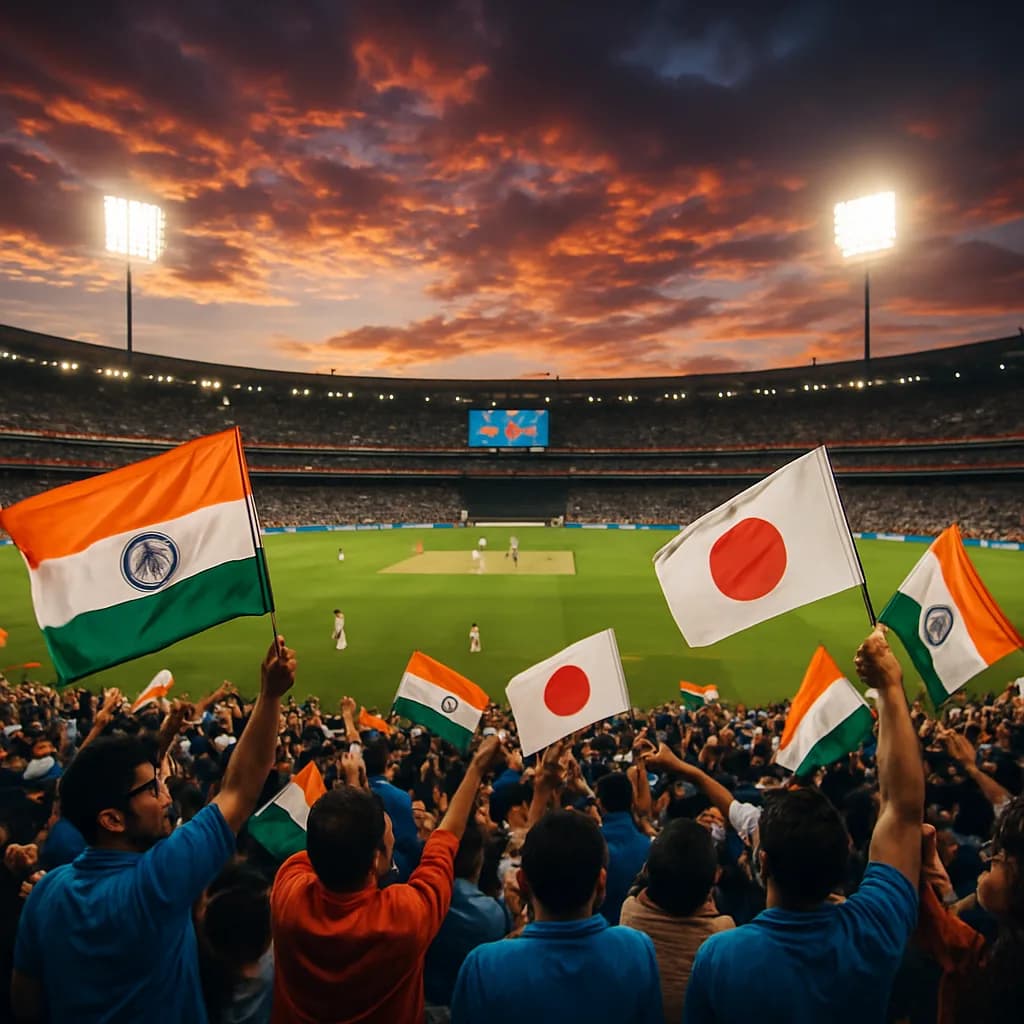
Representative image for illustration
India takes the field against Japan in a match labeled historic by officials, and millions want to know when and how to watch. Bottom line: here’s when it starts, where to watch, and a few streaming tips so you don’t miss the first ball.
The simple point is this: it’s a milestone for cricket, and people just want clear info on time zones, rights, and how to actually watch it. Experts say big matches like this often draw unusual local interest and atypical broadcast arrangements, so the schedule will matter far more than usual for casual fans. Here's where to start.
When exactly does the match start, by region
Start times depend on the venue and the organizers. So check the tournament’s official schedule or the host board, stadium times are the ones that matter and they rarely change.
For a nominal example, if the match is scheduled for 10:00 AM local at the host stadium in Asia, that translates to 10:00 AM IST in India, and a different morning or night in other countries. That said, the problem is time conversions are where most viewers slip up.
In India, convert the listed local time to IST, and if you’re heading to a pub or stadium, build in extra travel time. European viewers should use the offset from GMT or UTC. Mobile calendars will do the math, but double-check if daylight saving time applies in your country. One-liner.
Broadcast and streaming options to try first
Whoever buys the broadcasting rights decides if it’s free-to-air, pay-TV, or behind a subscription, so check who has the rights where you are. Officials said broadcasters and digital rights holders will publish schedules close to the match date, so checking the event's official social channels is smart. Look for channel lists, because some countries split TV and streaming rights.
For overseas fans, streaming is usually the simplest option. Many regional sports apps will carry the feed, usually with commentary in local languages. To avoid surprise geo-blocking, try using the official app tied to your country or buy a one-off international pass when offered. The truth is an unofficial stream might exist, but experts warn that those sources are unreliable and may violate rights.
Match context: why this is called historic and what that means
Officials and journalists have described the fixture as historic because it's part of a deliberate effort to broaden cricket's footprint, with Japan representing non-traditional cricket growth. The event's organizers framed it as a milestone that could affect future tournament structures and qualification paths. These games usually get extra promotion, and that can stretch broadcast windows or nudge the schedule for the host market.
Here's where it gets interesting, because the word historic raises expectations about player lineups, exhibition elements, and pre-match ceremonies that might lengthen the broadcast window. In practice, expect a long build-up, sometimes two hours of pre-match TV, not just a five-minute warm-up. So plan your evening accordingly.
How to watch with the best picture and avoid blackouts
The problem is buffering and blackouts ruin the experience. Test the streaming app a day early, check your internet for HD-level speed, and update the app, simple stuff, but it saves a headache. If watching on TV, connect via HDMI or a casting device rather than relying on in-app smart TV browsers, those are flaky.
If you’re traveling or stuck in a rights-blackout area, buy a verified international pass from a reputable provider, it’s the cleanest way. Don't rely on cached links or social media clips for the full match. Also, verify whether any local sports bar or pub has a rights agreement for public screening; many places pay for that explicitly.
A short check. Avoid surprises.
Quick tactical preview and players to watch
Experts point to India’s depth in batting and bowling as the obvious headline, Japan, meanwhile, brings a different, often unpredictable rhythm. Expect India to field high-performing batters who score at a fast clip and bowlers who vary pace a lot. Japan may have a handful of standouts who work well in home or neutral conditions, and those players can change the match if given space.
A concrete example helps. If a top-order Indian batter posts a rapid 60 to 80 runs in the first 10 overs, the chase profile shifts drastically and the pressure on Japan's bowlers spikes. Conversely, an early wicket burst from Japan would scramble India's plans and tighten the chase. The match's pacing matters more than raw averages here. Honestly, I think the pacing will decide more than any single player's average.
Watching in groups, pubs, and public venues
Public screenings are great for atmosphere, but every venue has different rights and booking rules, don’t assume they’ll show it. Officials recommend calling ahead to confirm the pub or viewing center has the right feed and that they open early. Look, noise and crowd energy help, but overcrowded spaces can mean bad sightlines and audio issues.
Or just host a small watch party at home if you want fewer surprises. Invite friends, set up a stable internet connection, and have a secondary device as backup. One-liner.
Common follow-up questions viewers will ask
Will there be radio commentary or only video? Many broadcasters supply radio or audio-only streams for mobile users. Can I record the match legally? That depends on your provider's terms, but DVR options exist on pay-TV packages. What about highlights? Official highlights are usually posted a few hours after the match ends on the tournament's social channels and apps.
None of this is guaranteed until the rights holder confirms it, but these are the usual patterns for big fixtures.
Frequently Asked Questions
Frequently Asked Questions
Q: How do I find the exact local start time? A: Check the official tournament website or the event organizer's social channels for the stadium-listed time, then convert to your time zone using a reliable world clock or your smartphone calendar. Double-check if your region observes daylight saving.
Q: Can I watch the match free if I'm in a different country? A: Sometimes, but not always. Broadcasters often hold exclusive rights per territory, so free viewing depends on local arrangements; paid streaming is the safer bet for overseas viewers.
Q: What if the stream buffers heavily during the match? A: Try lowering quality to stabilise playback, switch to a wired connection if possible, or use a secondary device as backup. If problems persist, follow the broadcaster's support channels for fixes.
Final actionable takeaway
My advice: plan ahead, test your feed, and set a calendar reminder in the stadium’s local time, the build-up starts early, and you don’t want to miss it. The phrase "India vs Japan: When and where to watch historic T" should be your search string in the 48 hours before the game to catch last-minute broadcast updates.
Image description and prompts
Comments (0)
No comments yet. Be the first to share your thoughts!