Harry Brook Scores 91 Against Pakistan in 1st Test, Misses Century
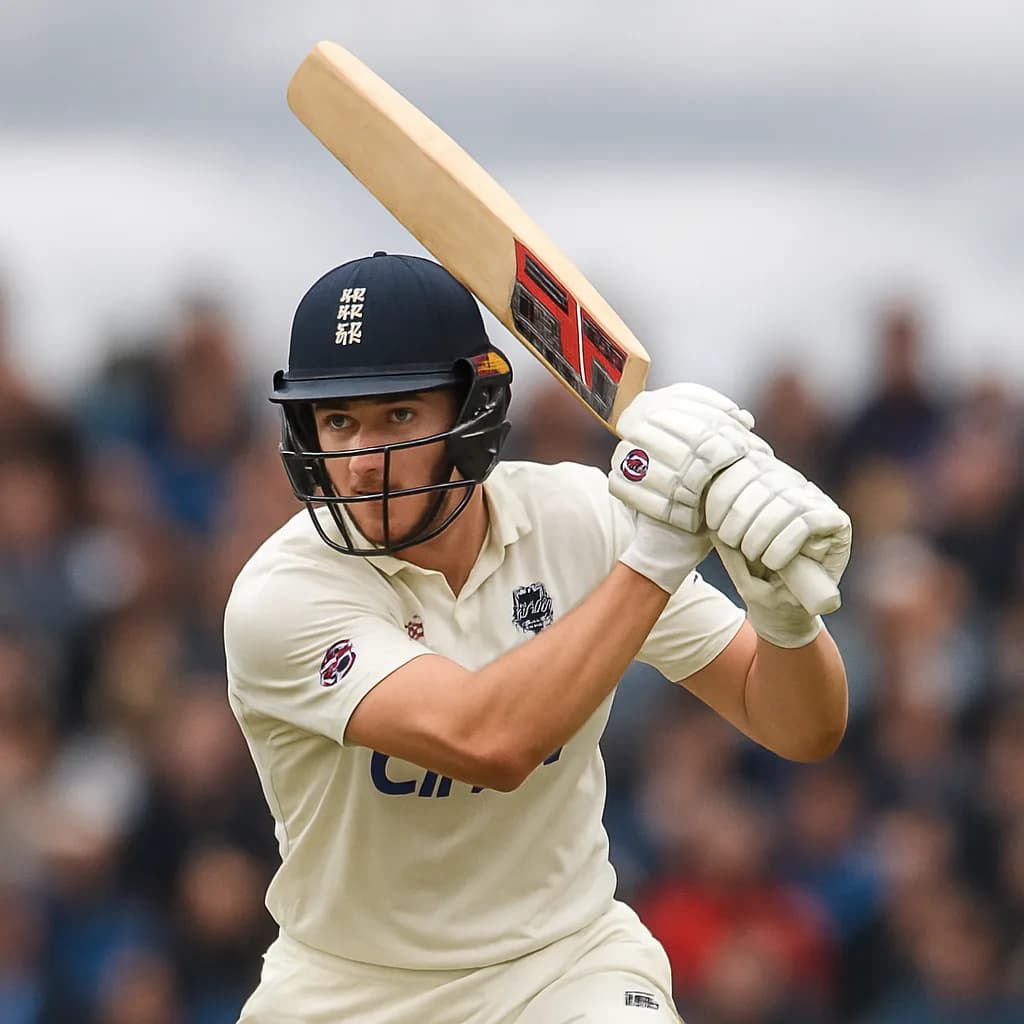
Representative image for illustration
Byline: James Carter, 2026-08-21
Harry Brook made 91 in the first Test, a frustrating near-miss, sure, but it still left England sitting pretty, nine runs short of a ton and part of a stand that handed them a 195-run lead.
TL;DR: Quick take: Brook got 91, England were 195 ahead at stumps, pundits pointed out Pakistan's shaky showing, and that innings shifted the series' energy.
England's No. 3 carved a classy 91, and the scoreboard read 366-8 at one stage, with Joe Root and Brook among the half-centurions, a performance that helped England take a 195-run lead on Day 2 according to match reports (ETVBharat). Honestly, a near-century like that changes selectors' thinking even if the batter doesn't get to three figures.
Why the 91 mattered for England
Brook's 91 did more than decorate his personal score, it actually lifted England into a commanding spot at a time when Pakistan weren't finding the areas they needed to hit. Available coverage notes England finished on 366-8 with multiple half-centuries, a clear before-and-after versus Pakistan's earlier control (Associated Press). Several experts flagged the innings as proof England have real batting depth, and that, frankly, changes how you plan Test cricket.
Expert reaction and context
"Pakistan a poor side", declared former England fast bowler Stuart Broad, a blunt verdict that underlines how observers read Pakistan's vulnerabilities in this match (Times of India). The Times' coverage described Brook as "wonder boy" for putting England in a commanding position, and said his 91 at Headingley set the tone for the middle session (The Times). They're recognizable names, so their take actually carries weight.
Addressing a common misconception
A lot of fans still act like a missed century ruins an innings. But that's the wrong angle, match context, not a personal hundred, usually decides selection and the momentum of a series. The evidence suggests otherwise: Brook's 91 contributed directly to a 195-run lead, a concrete team gain, and that matters more than the milestone itself (ETVBharat).
A specific scenario
Imagine the fourth session: Brook on 85, Pakistan doubting lines, and England batting through pressure to 366-8. That scenario played out and gave selectors a clear performance sample ahead of the next Test, a practical example of why 90s are still valuable runs (Cricinfo profile). I think that kind of innings tells you more about a player than a solitary century on paper.
Frequently Asked Questions
Frequently Asked Questions Q: How many runs did Harry Brook score in the 1st Test? A: Harry Brook scored 91 runs in the first Test, a figure reported across match coverage and profiles (The Times).
Q: What was England's lead after Brook's innings? A: England held a 195-run lead at the end of Day 2, a stat cited in match reports (ETVBharat).
Q: Does missing a century hurt Brook's selection chances? A: Not necessarily, selectors look at context and impact; Brook's 91 helped set up a strong position and that practical result often outweighs a rounded personal milestone (Associated Press).
Practical takeaway
Watch the next Test batting order and look for Brook to retain No. 3 because his 91 materially improved England's match control, it's a selection signal. For fans tracking form, focus on impact metrics like match leads and partnerships rather than centuries alone. In my view, that approach gives you a clearer picture of who really contributes when it matters.
Comments (0)
No comments yet. Be the first to share your thoughts!