Gautam Gambhir Shane Watson 2008 Incident: What Happened in Their Heated Clash?
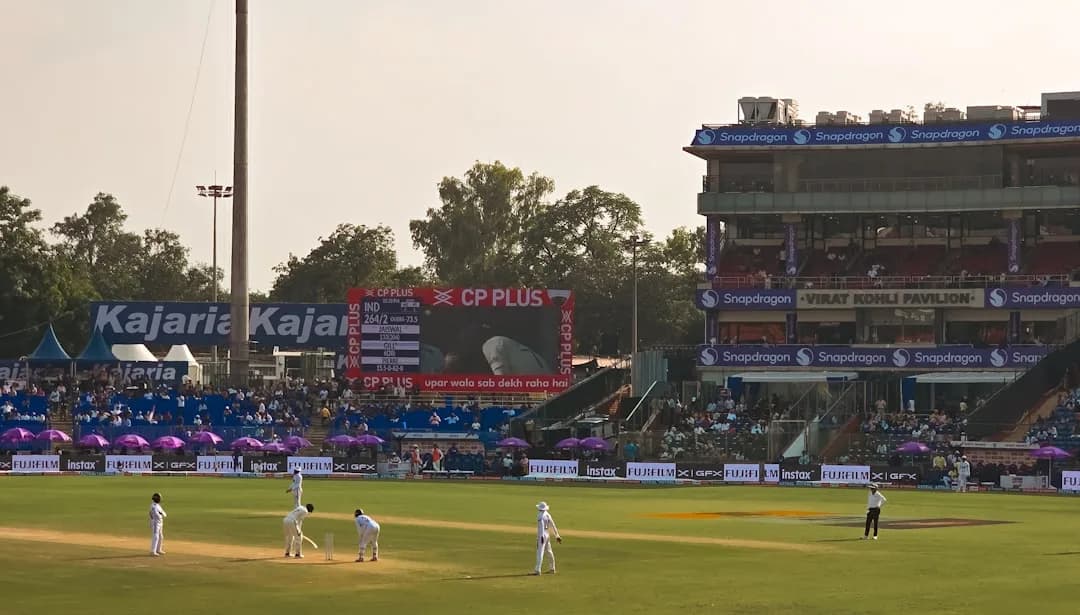
Representative image for illustration
The 2008 Delhi Test match between India and Australia wasn't just about cricketing skills; it featured an explosive moment that still gets cricket fans talking: the Gautam Gambhir Shane Watson 2008 Incident. Gambhir and Watson, both fiery competitors, didn't just clash over rivalry — they pushed the limits of what the game’s spirit can take. This heated clash on the field not only led to disciplinary action but also exposed the raw intensity beneath the surface of world-class cricket. This article breaks down what went down, why it escalated, and why it still turns heads.
The 2008 Delhi Test and the spark of the clash
During the December 2008 Test at Delhi, tensions between India and Australia were already high. Both teams were fiercely competitive, and players had their pride on the line. Gautam Gambhir, known for his combative style, and Shane Watson, one of Australia’s versatile all-rounders, were in the thick of it.
On the fourth day’s play, things boiled over. A verbal exchange during a delivery sparked Gambhir to confront Watson physically, leading to a minor on-field altercation. The umpires intervened, but the damage was done. This wasn’t your garden-variety sledging — it was a clash that went beyond words, involving aggressive pushing in front of the packed stadium.
Gambhir's aggressive streak isn't news, but this time, he really went all in — even for him. Such incidents highlight how mental pressure can explode, especially in high-stakes cricket.
What triggered the Gautam Gambhir Shane Watson 2008 Incident?
Was it just a bad day? Not really. The incident was triggered by a combination of sledging, mounting frustration, and a tightly contested match where every run seemed hard-fought. Gambhir, batting with grit, felt that Watson and the Australians were crossing lines with their aggressive on-field banter.
Watson, who’d earned a reputation for pushing his opponents psychologically, was ready to retaliate as well. The moment Gambhir responded physically, the match referees had to step in.
This kind of emotional flare-up is challenging to control, especially when you’re locked in battle for six days straight. What many overlook is how Test cricket, unlike shorter formats, exposes players to prolonged mental and physical strain.
To me, this was exactly what happens when the heat's on — players snap and sometimes forget the sportsmanship playbook.
Consequences and the ban on Gambhir
The fallout wasn’t trivial. Both Gambhir and Watson faced charges for their roles in the altercation. In particular, Gambhir was handed a suspension that caused him to miss the final Test in Australia during the series. According to ESPN, the disciplinary committee cited 'conduct contrary to the spirit of the game,' which is a rare but severe reprimand in Test cricket.
That suspension impacted the Indian team’s balance. Gambhir was a crucial opener, and his absence was felt. After his ban was upheld, reports noted that the incident was a painful lesson for him, reinforcing the need for restraint on the field (Cricbuzz).
A lot of folks think losing your cool is just part of sports, but that’s not how the ICC sees it. The ICC’s official code stresses that disruptive physical contact must be severely penalized to protect players and maintain decency. Clearly, the Gambhir-Watson incident proved that line was crossed.
Why this incident still matters in cricket history
The Gambhir-Watson clash still gets talked about because it shows how fierce competition can turn ugly. It also humanizes cricketing legends, reminding us they’re far from immune to tempers.
Gambhir himself has spoken about the incident years later, reflecting on how youthful aggression sometimes gets the better of judgment (Cricfit). In my view, this candidness is valuable. The incident teaches how players can grow beyond moments of anger and become better role models.
Comparing Gambhir’s fiery nature to other greats shows this isn’t unusual—R. Ashwin once compared Gambhir with Dravid in terms of temperament and resilience, yet even the toughest crack occasionally under pressure.
The Delhi Test remains a defining moment that reminds us cricket isn't always just about runs or wickets. It's about self-control under fire.
Frequently Asked Questions
What exactly caused the clash between Gambhir and Watson in 2008? A tense exchange of words during a high-pressure moment sparked a physical altercation. It was a build-up of sledging and frustration playing out on the field.
How long was Gautam Gambhir suspended after the incident? He missed one Test match—the final Test against Australia—following a ban upheld by cricket authorities due to conduct violations.
Did Shane Watson face a ban too? Watson was charged but received a lesser penalty compared to Gambhir. The disciplinary focus was on Gambhir's physical confrontation.
The Gautam Gambhir Shane Watson 2008 Incident is more than a dusty chapter—it's a vivid reminder of the fierce battles of Test cricket. For you following cricket, it’s a lesson that passion can tip over into penalties, and even the best must find balance. If you get caught in a heated moment, remember Gambhir in Delhi. The stakes are high, but so should be your control.
Read more about Gautam Gambhir and his fiery Test career.
Learn about Shane Watson and his role in cricket’s brave new world.
Explore the best IPL teams of all time to see where legends like Gambhir fit in cricket lore.
Comments (0)
No comments yet. Be the first to share your thoughts!