English county club Essex release Bangladesh-origin player amid rape case
This article was drafted with Citeya, an AI writing tool, from published reports and is published under Kishan Prajapat's name. See our editorial standards or report an error.
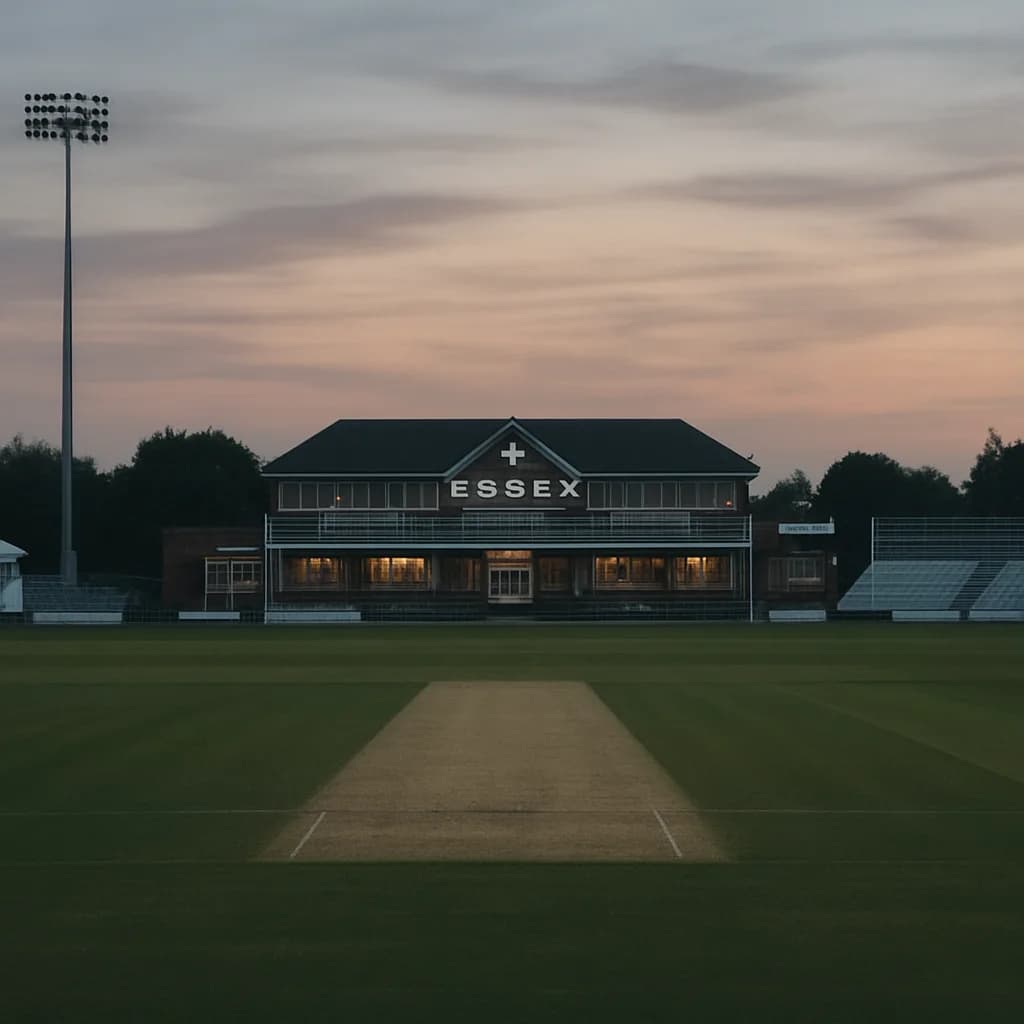
Representative image for illustration
Robin Das, a 24-year-old batter of Bangladeshi origin, is no longer under contract with Essex County Cricket Club after he appeared in court on a rape charge; the club has confirmed his release and said the matter is active in the criminal justice system. Essex ended Das's contract after the court appearance and directed supporters to the ongoing legal process rather than to any internal disciplinary outcome. According to published coverage, the club statement makes the contractual change clear while avoiding adjudication of the alleged offence itself (Yahoo Sports; Times of India).
What the club has said and how the release was described
Essex announced that Das "is no longer under contract" after his court appearance, language that stops short of a finding of guilt but confirms the club has severed the professional relationship reported by both outlets above. The Yahoo Sports report names Robin Das and notes his age as 24, and the Times of India article repeats the club's confirmation that he has been released following the court appearance (Yahoo Sports; Times of India).
Clubs commonly use measured language in such cases: they end employment ties to protect operations and avoid entanglement, while leaving legal determinations to the courts. The public statements quoted in the news reports do not set out an internal sanctions process or provide a timeline for any disciplinary hearing.
The legal steps ahead and what "released" means in practice
A criminal charge proceeds on a timetable determined by prosecutors and the courts, not the club. "Released" here means the player's playing and contractual ties to the county have ended; it is not a criminal conviction. Both pieces of reporting point to the court process as the locus of justice for the allegation (Yahoo Sports; Times of India).
Expect several practical consequences during the legal process: the player loses salary and match selection through the club; if the prosecution proceeds, the case may take months before trial or resolution; and professional opportunities elsewhere will be constrained while the allegation is unresolved. A court appearance itself often triggers early contract action because clubs face reputational risk and regulatory obligations.
This creates a trade-off. Clubs that act swiftly reduce immediate reputational and safeguarding risks but also face criticism if a player is later cleared. Conversely, delaying action risks the club being seen as indifferent to allegations of serious misconduct. The statements cited show Essex chose decisive separation pending the criminal system's outcome.
How English counties handle contracts and safeguarding obligations
Essex’s public wording follows a pattern used across counties when serious allegations arise: suspend or release the player and refer the matter to the police and legal authorities. While the news items do not reproduce the club's full safeguarding or contract policy, they reflect standard practice under the England and Wales Cricket Board's (ECB) wider safeguarding expectations for professional clubs. Clubs are expected to work with authorities and to take steps to protect staff, players, and the public; the reports place Essex’s action in that practical framework (Yahoo Sports).
For example, if a county suspends pay and invokes an investigatory clause in a contract, the club can pursue internal disciplinary procedures separately from the criminal case. That raises questions about due process and timing: if internal evidence gathering is paused until criminal proceedings end, the club must still manage team selection and sponsorship obligations. The reports do not state whether Essex has activated any contract clauses such as suspension without pay, but the club's phrase "no longer under contract" implies a definitive contractual termination rather than a temporary suspension (Times of India).
Wider cricket context: precedent, public reaction and related timelines
High-profile allegations against cricketers have led counties and national boards to act quickly in recent years. Sporting bodies face competing pressures: sponsors and supporters demand visible action, while employment law and fair process constrain what a club can do before a criminal verdict. A comparison: in an unrelated match report, Australia A completed a one-day series with a 69-run win on the day the other domestic headlines appeared, showing how cricket continues even as off-field issues break through headlines (Times of India, match report of 69-run win).
Public responses often divide along two lines: those who view immediate contractual action as necessary to show zero tolerance, and those who stress safeguarding of legal rights until guilt is established. The Times of India and Yahoo Sports pieces document the release but do not offer the club's detailed disciplinary or legal reasoning beyond pointing to the court process (Yahoo Sports; Times of India).
A named voice from the broader cricket coverage, India head coach Gautam Gambhir, remarked on coaching and selection dynamics in another recent item, saying he didn’t blame individuals after a team defeat; that comment illustrates how quickly on-field narratives shift even as off-field legal matters play out (Times of India, Gambhir quote).
Takeaway: what to watch next and how to assess new developments
Follow the court schedule and official club statements. A practical next step for anyone tracking the case is to check the magistrates’ or crown court listing where the hearing occurred and to watch for formal Essex updates or ECB comments; the initial reporting shows the club's action but not the legal timetable (Yahoo Sports; Times of India).
Expect three possible short-term outcomes: prosecutors drop charges, which could reopen employment or prompt a new internal review; a guilty finding, which would likely end professional prospects and trigger further sanctions; or a prolonged process that leaves the player's career in limbo. For fans, the immediate action is to rely on authoritative updates from the club and the courts rather than social media. For players and practitioners, this episode underlines the importance of familiarising yourself with club safeguarding policies and contract clauses that govern suspension, termination and cooperation with police inquiries.
Comments (0)
No comments yet. Be the first to share your thoughts!