Cricket in meltdown over disgraceful scenes
This article was drafted with Citeya, an AI writing tool, from published reports and is published under Kishan Prajapat's name. See our editorial standards or report an error.

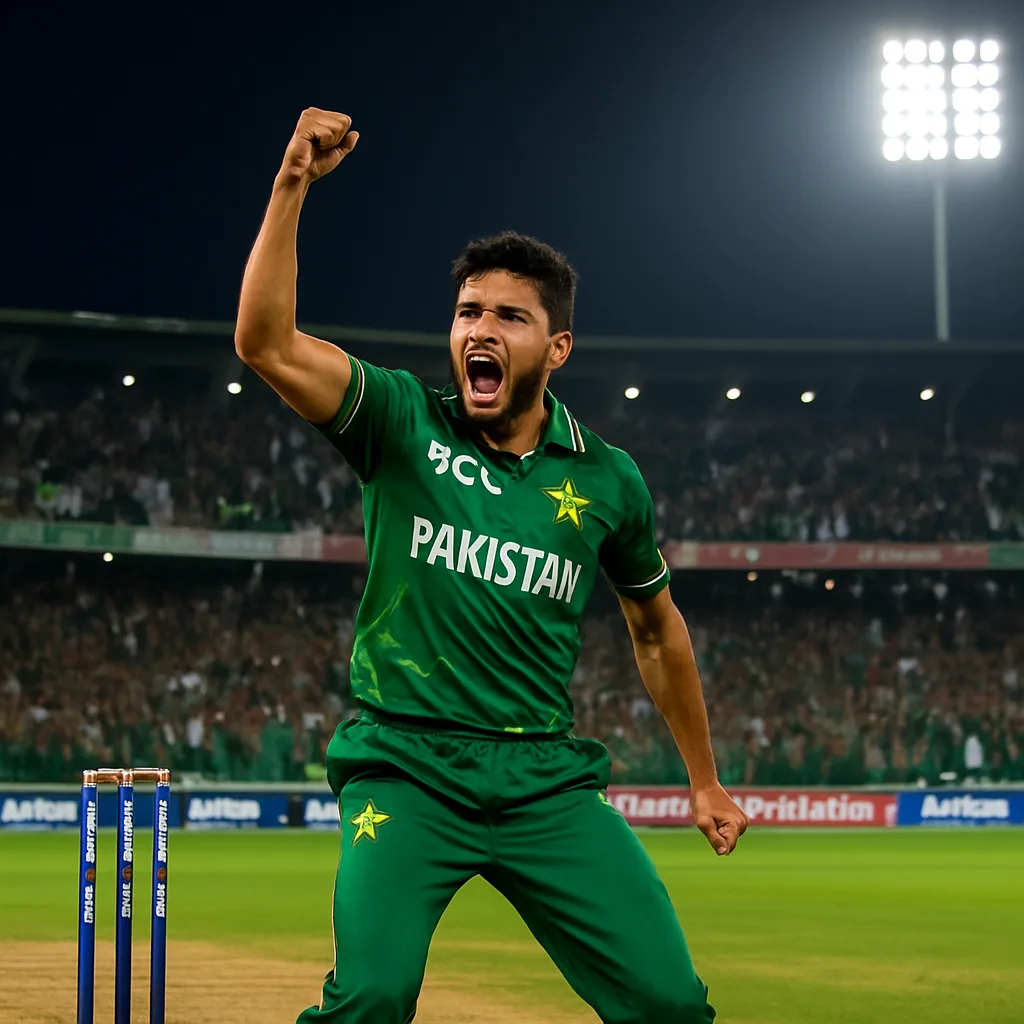
Representative image for illustration
Cricket is facing a reputational crisis after a series of public incidents that combined crowd disorder, player confrontations and incendiary commentary to put the sport "in meltdown over disgraceful scenes." A high-profile crowd incident in Durban prompted calls to stop hosting Tests, individual players were involved in heated confrontations on the field, and senior figures publicly condemned the behaviour while media scrutiny intensified. According to reporting, the opening day at Durban prompted calls for the city to be stripped of future Tests, a bench-mark incident that amplified separate episodes of player and commentator misconduct in recent weeks news.com.au.
What happened at Durban and why it matters
The single most damning episode referenced by multiple outlets was the crowd disorder captured during the first Test in Durban, which led to immediate calls from some quarters that the city should no longer host Test matches. Reporting says those images went "viral", prompting widespread condemnation and debate about security and crowd control at international fixtures news.com.au. That matters because Test cricket relies on host venues meeting safety and reputation standards; when a single match produces images judged "disgraceful", the governing bodies and broadcasters face pressure to act quickly to avoid sponsorship and audience fallout.
A concrete example is the immediate public outcry and the phrase "never host a Test again" reported in connection with Durban, which is not a technical sanction but a political response that national boards cannot ignore. The trade-off is practical: scheduling and infrastructure for Test cricket are expensive and politically charged, so removing a venue without clear, documented failures in security can create legal and contractual problems for organisers and broadcasters. Watch for formal statements from the International Cricket Council or Cricket South Africa; until those are posted, public pressure will drive the narrative rather than rule-based discipline.
On-field meltdowns and what they reveal about player conduct
Disgraceful scenes in cricket are not limited to crowds. Recent on-field confrontations have added to the sense of crisis. The Hindustan Times reported a heated episode in Dambulla involving Vaibhav Sooryavanshi and Sri Lankan players, plus India A's Tilak Varma confronting umpires twice after a Super Over defeat, which the article described as "chaotic scenes" Hindustan Times. Those incidents show a pattern: players under pressure sometimes cross lines that lead to disciplinary hearings, fines or suspensions.
Teams can intervene earlier through captains and coaches, accepting short-term reputational costs to protect long-term team culture. For example, tilting to stricter in-house penalties reduces the likelihood of public disciplinary action by a board but can create friction if players feel punished twice. Note that umpire confrontations often trigger formal misconduct processes, so teams that routinise mediation and anger-management support reduce both on-field incidents and subsequent fines.
An early apology, acknowledgement by a senior player, and immediate engagement with the match referee usually mitigate sanctions. But if you want transparency, ask the board for published disciplinary guidelines and past sanction examples; that will show whether the sport enforces standards consistently.
How commentary and media behaviour escalated the crisis
Commentators and broadcasts can escalate or defuse situations. The Chronicle reported that Ricky Ponting publicly addressed controversial remarks made on air by Kevin Pietersen about concussion, calling the comments "obscene" and clarifying the issue amid a match when Nathan Lyon performed strongly The Chronicle. Named commentary figures draw viewers, but offhand or sensational language can inflame viewers and players alike.
Broadcast regulators and networks face a trade-off between candid analysis and editorial responsibility. One route broadcasters can take is to publish a code of conduct for on-air talent and enforce it with spot fines or temporary removal from duties when lines are crossed. The reader who watches matches should press networks and advertisers to demand those standards. Broadcasters often react to immediate outrage; a consistent corporate standard reduces reactive decisions that confuse audiences.
Commentators are not neutral observers. When a high-profile ex-player makes a controversial remark during a live broadcast, the broadcaster's response becomes part of the story. Networks that act decisively tend to restore viewer trust faster than those that wait.
Financial and participation consequences for cricket
There are measurable costs when cricket's image takes a hit. Local reporting has linked rising match costs and declining grassroots access to a broader cost crisis in Australian cricket, saying registration fees and cost-of-living pressures are pricing players out of community cricket Daily Telegraph. When headline incidents dominate headlines, sponsors reassess exposure and some fans skip matches; one clear statistic from domestic cricket reporting is that financial barriers are already pushing participants to the crossroads, which magnifies reputational damage from public disorder.
A concrete comparison helps: before highly publicised incidents, local clubs commonly report stable or modestly rising registrations. After a season with viral misconduct stories, clubs in some regions reported flat or falling junior sign-ups, according to the same investigation Daily Telegraph. The trade-off for boards is immediate cost outlays for improved security, education programmes and broadcast oversight versus the slow, less-visible cost of lost participation and lower sponsorship bids.
A pragmatic step for boards is to publish incident-cost estimates and participation trends so stakeholders can see the link between conduct and revenue. Transparency helps justify short-term spending on prevention.
Concrete reforms stadiums, broadcasters and boards should adopt now
Start with three specific steps that administrators can press immediately. First, stadiums should tighten entry screening and stewarding protocols and then publish an after-action report within 72 hours if an incident occurs; that moves the discussion from outrage to facts. Second, national boards must publish and enforce consistent disciplinary guidelines for players and fans and make appeals processes public. Third, broadcasters should adopt an on-air code with named sanctions for presenters and a rapid-review mechanism for contentious commentary.
Those steps are practical. An immediate caveat: implementing them costs money, security upgrades, education programmes, and independent review panels are not free. But the cost of inaction is visible too: fewer spectators, fewer sponsors, and the erosion of youth participation. Fans and season-ticket holders who care can press their boards by asking for publicly scheduled town-hall meetings and for boards to release the number of crowd incidents and the sanctions applied in the past five years; that level of transparency makes comparisons possible.
Cricket has governance structures that can act. Ask for statements from the International Cricket Council or your national board; institutional response is the pathway from outrage to recovery.
Closing takeaway
If you want change, press for named, time-bound actions: demand that the relevant board publish a 72-hour incident report, that broadcasters release an on-air code and that stadiums commit to upgraded steward training within 90 days. Those steps create measurable accountability and will either restore confidence or force harder choices about venues and personnel. For readers who follow matches, lodge formal complaints with broadcasters and boards and ask for a public timetable of reforms; that civic action is one immediate lever to protect the sport's future.
Comments (0)
No comments yet. Be the first to share your thoughts!