The Ashes' Legacy: Inside Cricket's Oldest Rivalry
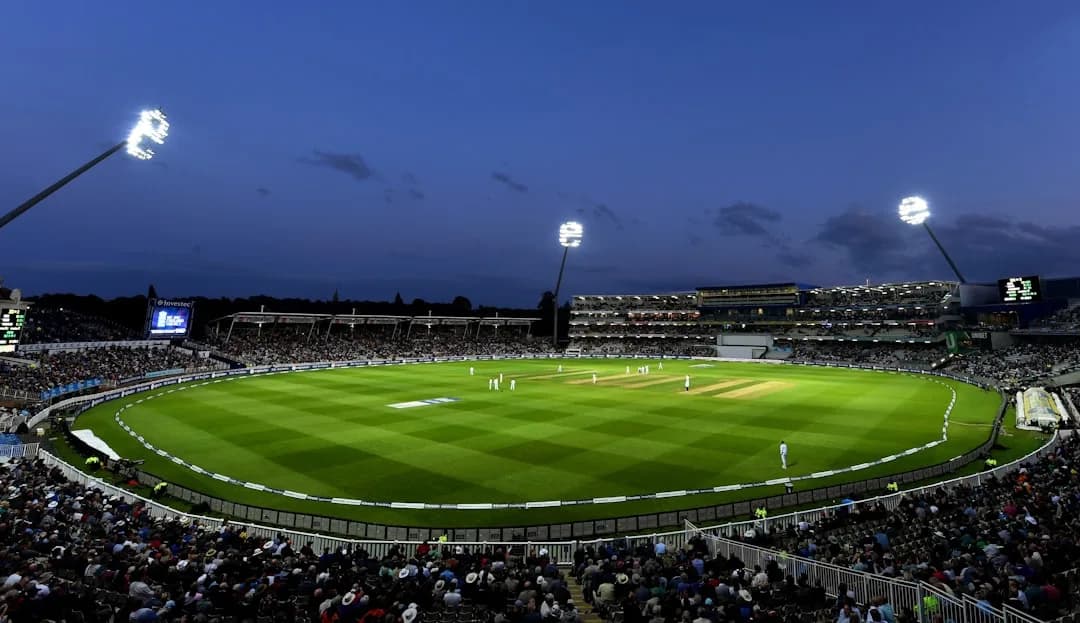
Representative image for illustration
A packed MCG crowd falls silent as a last-wicket pair blocks out three balls, then erupts when a single is taken to win a series by two runs. That moment tells you why this contest still matters.
Quick version: the Ashes is not just a bit of silverware. It began in 1877, has seen 853 men play Tests, and, while global markets and new broadcast models press on the sport, people who follow it say the emotional pull hasn't gone away (Cricket Australia; The Guardian).
What The Ashes means today
Put simply: the Ashes stands for raw national rivalry and the kind of Test cricket that can feel downright theatrical. Sports writers and historians treat the series as the touchstone of Test match drama; The Guardian's coverage of recent series framed the fixture as a contest that "never really starts or stops" because the narrative runs across decades and careers (The Guardian).
Experts say that emotional continuity is the Ashes' core value, and it binds fans across generations. Honestly, I think that continuity is what keeps casual viewers coming back: a single moment can connect you to matches played long before you were born.
How the rivalry started and early milestones
Records trace the rivalry back to about 1877, the very start of Test cricket, and that history gives the Ashes a gravity most other matches simply don't have (Cricket Australia).
By later reckonings, 853 men have played in Australia v England Tests, a stat that frames the series as both historical archive and living competition (The Guardian interactive list).
That number matters because it lets you see the series as both archive and living drama, before and after the T20 boom. Before global franchise cricket, national Test contests were the calendar. After the Twenty20 boom, attention splintered, yet the Ashes kept its place. Look, tradition held, even as formats changed.
I don't think tradition alone explains it, it's equal parts nostalgia and the simple drama of a long match.
Moments and players that built the legend
The Ashes' legacy is threaded through moments and the players who made them famous. Shane Warne is an obvious example; the New York Times called him "the biggest cricketing superstar of the lot," and his performances reshaped how leg spin was valued across series (The New York Times).
The Guardian highlighted players like Scott Boland as carriers of new threads, including Indigenous histories being marked at Ashes openers (The Guardian).
A concrete example: the Adelaide Test referenced in Australian press coverage after England's loss got framed as an Ashes turning point, and media outlets used the match result to question tactical shifts in England's approach (India Today). That match result and subsequent coverage show how a single Test can reframe narratives and affect coaching decisions.
How media and money are reshaping the Ashes
Officials and broadcasters openly say the way the Ashes is packaged is changing. Warner Bros. Discovery Sports Europe's Scott Young talked about hybrid and maverick production plans for Ashes coverage, which shows broadcast strategy now blends studio spectacle with on-field intimacy to keep audiences engaged (SVG Europe).
The problem is commercial pressure pushes schedules and presentation toward short attention spans, and some critics argue that broadcast culture can drown the game's quiet drama, as columnist Geoff Lemon argued about past coverage styles (The Guardian).
Then: radio and ink shaped the story. Now: multiple camera angles, streaming packages, and social clips decide what fans remember. That shift stretches traditions, it reshapes how we see them but doesn't wipe them out; mostly it repackages what fans already care about.
Misconceptions about the Ashes' relevance
A common misconception is that the Ashes are over because franchise cricket and money shifted the sport's center eastward. India Today's analysis shows how market power in India is changing cricket's map, and some even speculate about moving marquee fixtures, but experts counter that the Ashes retains unique pull precisely because of history and rivalry (India Today). That argument shows the flaw: commercial prominence does not equal cultural replacement.
Another mistaken belief is that older fans only care about Test cricket. The evidence suggests younger audiences engage with the Ashes through moments and personalities as much as format; listings of greatest Ashes players and modern polling show cross-generational interest remains (The Guardian interactive; The Telegraph).
There is a trade-off: chasing bigger audiences can bring more eyes, but it can also smooth out the little weirdnesses that make the Ashes feel alive. Officials, broadcasters, and leagues must balance spectacle with preservation, and that balance is never easy.
Practical takeaway: how fans can keep the Ashes alive
If you want to help keep it alive, do one simple thing: watch a full Test start-to-finish, ball by ball, and read the longer pieces around it, not just the highlight reels. Subscribe to at least one dedicated Ashes feed, read a deep feature, and watch a full day rather than highlight reels. That act helps demand for full-length Test coverage and signals broadcasters that long-form storytelling still matters. The Ashes' Legacy: Inside Cricket's Oldest Rivalry will survive only if audiences show they value it.
Frequently Asked Questions
Frequently Asked Questions
Q: When did the Ashes start? A: The rivalry traces back to the early Test era around 1877, part of the history celebrated in Cricket Australia's 150th anniversary materials (Cricket Australia).
Q: Who are some of the greatest Ashes players? A: Lists vary, but publications like The Guardian and The Telegraph publish ranked compilations; those pieces cite players from the 19th century through modern stars, totaling 853 Test participants in Ashes history (The Guardian; The Telegraph).
Q: Is the Ashes still commercially important? A: Yes, broadcasters are investing in new production models for Ashes coverage to reach wider audiences, according to Warner Bros. Discovery Sports Europe's planning interviews covered by SVG Europe (SVG Europe).
Image prompts
1) A packed Melbourne Cricket Ground at dusk during an Ashes Test, capturing dramatic clouds, overwhelmed scoreboard, and a focal close-up of a batter watching a delivery; cinematic, high-detail sports photography. 2) A vintage collage of Ashes memorabilia including an 1877-style cricket ball, worn bats, ticket stubs, black-and-white player portraits, and a modern broadcast camera peeking in; mixed media, textured, moody.
SEO meta
{"meta_title":"The Ashes' Legacy: Inside Cricket's Oldest Rivalry, History, Media, and What Fans Can Do","meta_description":"Explore The Ashes' Legacy: Inside Cricket's Oldest Rivalry, its history from 1877, key players, media shifts, and one practical way fans can keep Test cricket alive."}
Comments (0)
No comments yet. Be the first to share your thoughts!