2027 ODI World Cup Format: ICC Introduces Super 7 Stage as Tournament Expands to 14 Teams
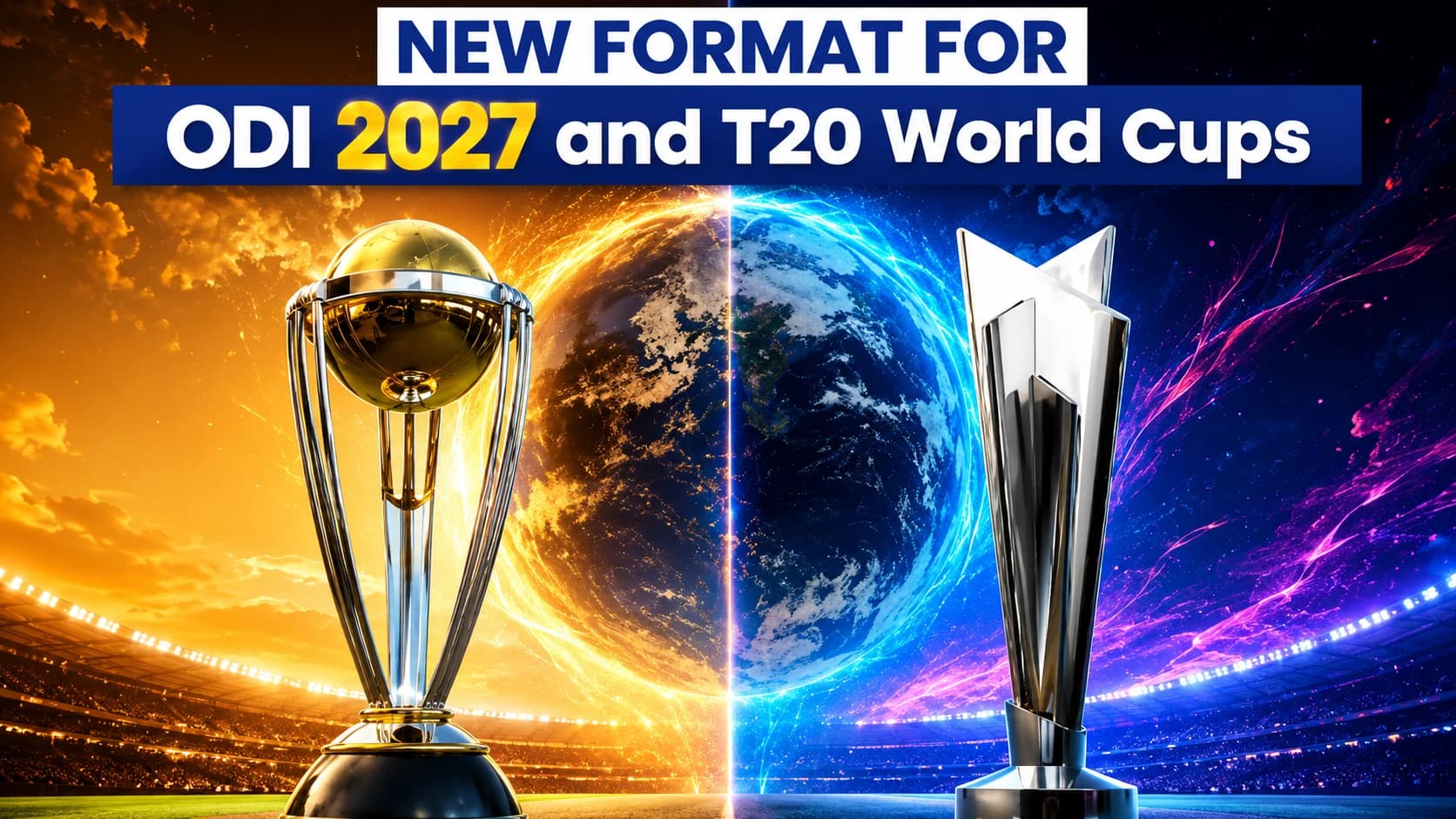
Representative image for illustration
The ICC has confirmed a major change to the 2027 ODI World Cup Format, confirming that there will be 14 teams and a new Super 7 stage at the tournament. South Africa, Zimbabwe and Namibia will host the tournament and are set to ditch the format used in the last few editions and introduce an additional stage before the semi-finals.
The revised format was approved during the ICC s annual conference, with officials explaining that the new system is designed to make every stage of the tournament more competitive. Instead of teams having little to play for once qualification is secured or lost, every match is expected to carry greater weight from the opening round onwards.
2027 ODI World Cup Returns to a 14-Team Tournament
The biggest headline is the jump from 10 to 14 participating countries. The ICC has decided to bring back a larger field to give more countries a chance to play on cricket s grandest stage after competing with just 10 teams in the 2019 and 2023 World Cups. The qualification process will still be tough but the expanded tournament means more Full Members and Associate nations will be in the hunt for a World Cup spot. It also reflects the broader ICC objective of growing the ODI format around the world.
With more teams involved, the tournament naturally becomes longer, but the governing body has introduced a different competition model rather than simply adding extra group matches.
How the New Super Series and Super 7 Stage Will Work
The tournament will not begin directly with the main group stage for all teams.
According to the new structure, the teams finishing 12th to 14th in qualification will first compete in a Super Series. Only one side from that phase will progress into the main tournament. That team will then join the remaining qualified nations, creating a 12-team main event divided into two groups of six. The newly introduced Super 7 stage follows the group stage of the competition. The top three teams in each group and the best-ranked fourth-placed team from either group will advance to this stage.
After those seven teams have played each other in another round of matches, the top four teams will then go through to the semi-finals. Teams won’t just be able to qualify for the knockout stage after one group phase anymore; they will need to keep playing well over a series of rounds.
Why the ICC Changed the Tournament Format
The ICC believes the revised format will make every match matter. In previous World Cups, teams occasionally found themselves either comfortably qualified or already eliminated before their final group games. That reduced the importance of several matches late in the league stage.
The new 2027 ODI World Cup Format is intended to avoid that situation.
Results earned in the opening phase will influence what happens later, while the Super 7 stage creates another layer of competition between the strongest-performing teams. It also increases the number of high-profile contests before the knockout rounds begin.
From a fan s perspective, it means fewer dead rubbers and more matches carrying genuine qualification pressure.
A Longer Road to the Trophy
To win the World Cup in 2027, teams will have to be more consistent over a much longer campaign. No more automatically going through to the semi-finals from a strong group-stage performance. Instead they are faced with the challenge of having to produce results in the Super 7 phase against some of the best opposition in the tournament. That added challenge could help squads with greater depth, flexible tactics and the ability to adapt to different playing conditions across three host nations.
South Africa, Zimbabwe and Namibia Ready to Host
The 2027 edition will be jointly hosted by South Africa, Zimbabwe and Namibia, marking one of the biggest cricket tournaments ever staged across the three nations. South Africa hosted the men’s ODI World Cup in 2003 and has a wealth of experience of hosting ICC events. Zimbabwe also comes back as a World Cup host after a few years while Namibia will be hosting World Cup matches for the first time, making it a historic occasion for the country’s cricketing journey. Different venues will present different conditions, adding another tactical layer to the tournament.
Final Tournament Details Still to Come
While the ICC has confirmed the overall competition format, the complete fixture list, match schedule, and venue allocations will be announced later after further discussions. The governing body is expected to finalize those details at its upcoming meetings before the qualification pathway reaches its final stages.
For now, the biggest takeaway is clear. The 2027 ODI World Cup Format will be unlike any recent edition, combining a larger field with a new Super Series and Super 7 stage in an effort to make every match count.
The 2027 edition is shaping up to be one of the most competitive ODI World Cups in recent memory with more teams in the mix, a longer road to the trophy and a handful of must-win contests before the semi-finals.
Comments (0)
No comments yet. Be the first to share your thoughts!