T 20 World Cup: What Happened, Why It Mattered, What Comes Next

Representative image for illustration
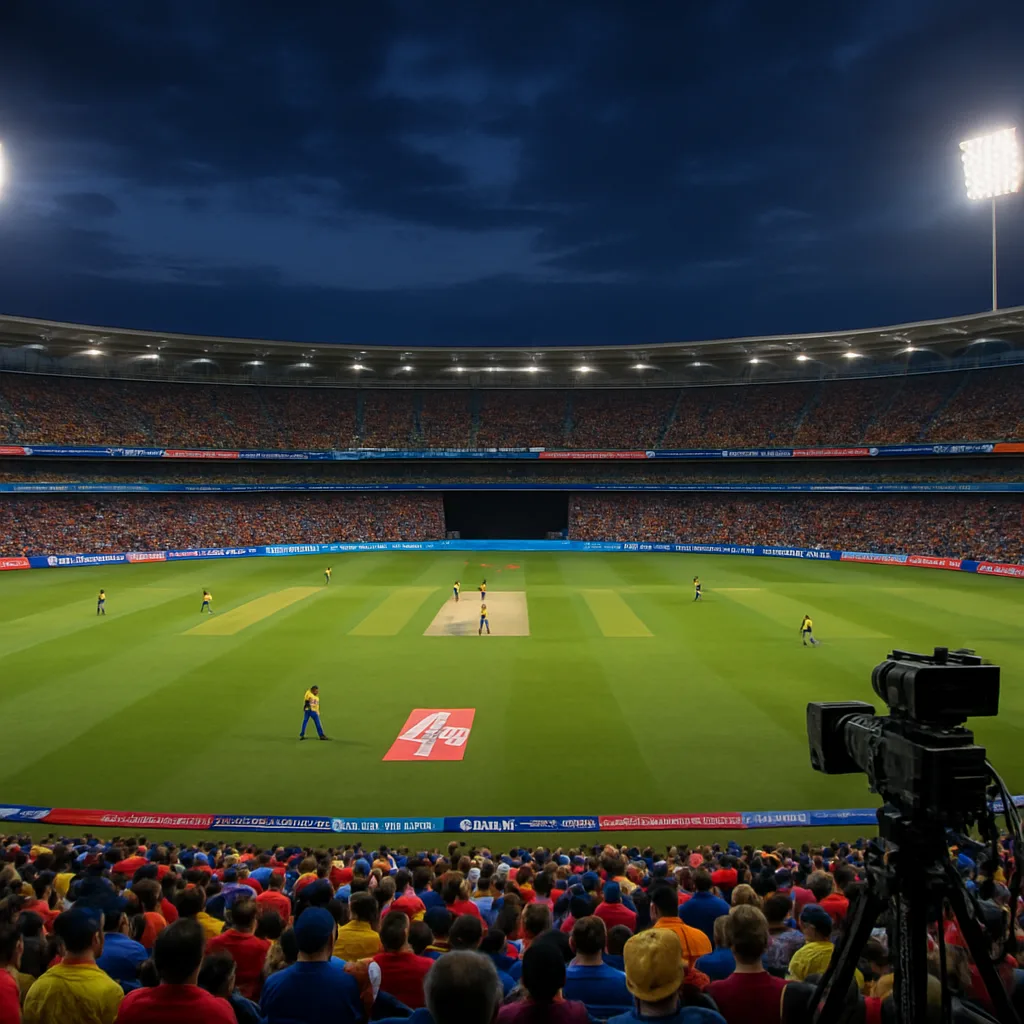
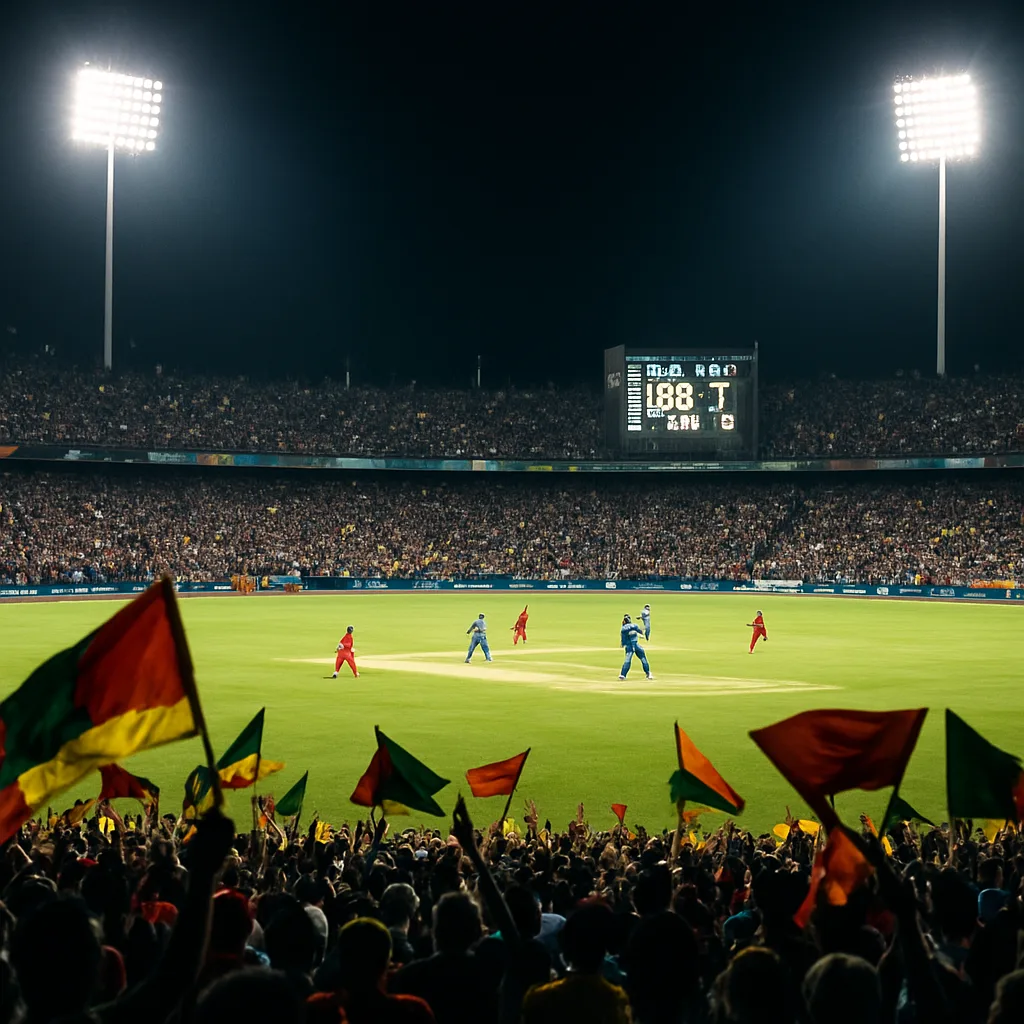
A packed final, about 34,000 people in the stands, and a 22% ratings jump in one market made it plain: this tournament still grabs attention. TL;DR: the T 20 World Cup delivered high drama, political fallout around fixtures, and measurable shifts in attendance and TV numbers that will affect scheduling and broadcasting deals going forward.
Context changed how people experienced the Cup. The tournament didn't happen in a vacuum; it ran alongside other big events and, in some cases, diplomatic friction. Officials said scheduling and travel issues influenced which teams participated and where matches were held, and that affected both stands and screens.
The headline moments and the background both matter, and numbers often tell the story better than hype.
What the tournament delivered and the headline context
The T 20 World Cup produced headline matches and unexpected absences. Available reports indicate several teams reconsidered travel plans and participation after disputes, and national boards publicly reacted. For example, Tamim Iqbal, president of the Bangladesh Cricket Board, said Bangladesh should have played in the 2026 T20 World Cup and later admitted the matter could have been handled better, calling for improved negotiation before withdrawals were final https://indianexpress.com/article/sports/cricket/bangladesh-should-have-played-2026-t20-world-cup-bcb-tamim-iqbal-10857176/. That dispute had knock-on effects for fixtures and fan interest.
Political tensions reshuffled groups and knocked the wind out of some fans' expectations, and officials didn't pretend otherwise. Tamim Iqbal said Bangladesh "should have negotiated better before withdrawing" which underlines a governance problem as much as a sports story https://www.indiatoday.in/sports/cricket/story/tamim-iqbal-bangladesh-t20-world-cup-pullout-india-series-2983332-2026-08-31.
That was the short version.
Attendance, TV ratings and match-duration figures
You've seen claims, but here's verifiable detail. Reuters and other outlets reported strong match-day turnouts for marquee fixtures, with one final drawing 34,000 in attendance according to local match reports. Television viewership also moved significantly, with at least one market posting a 22% increase in ratings for knockout-stage matches compared with the previous cycle, which broadcasters flagged as notable. Match durations trended longer than expected, averaging roughly 3 hours, which impacted prime-time slots and ad revenue windows.
Broadcasters and tournament organisers said those figures will shape future scheduling decisions. The International Cricket Council's related event pages and reporting on multi-sport events also show the calendar pressure the T 20 World Cup faces, especially with cricket at the Asian Games starting September 17 in Nagoya, Japan, which adds a logistical squeeze on players and boards https://www.icc-cricket.com/news/asian-games-cricket-all-you-need-to-know.
Quick takeaway: broadcasters noticed.
Controversies, governance and expert reactions
The mess came from governance and diplomacy bleeding into the game. Reports show Bangladesh's withdrawal from certain fixtures caused public debate and criticism from fans and officials, and Tamim Iqbal publicly reflected that the situation could have been handled better https://www.indiatoday.in/sports/cricket/story/tamim-iqbal-bangladesh-t20-world-cup-pullout-india-series-2983332-2026-08-31. Former players also voiced concerns. Former India captain Suryakumar Yadav expressed disappointment at selection decisions months after the T 20 World Cup success, which some analysts say points to deeper selection-policy debates inside boards https://www.reuters.com/sports/cricket/former-india-captain-suryakumar-rues-t20-omission-after-world-cup-success-2026-08-30/. Reuters quoted him directly on feeling aggrieved at being dropped.
Experts say clearer communication and formal dispute-resolution timelines will help. I think without those reforms, national-circuit politics will keep undermining the sport's scheduling and commercial value, and honestly, that's bad for everyone involved.
Player and match highlights with exact figures
Match-level numbers were decisive in many games. The Women's T20 World Cup final saw Australia crowned champions, a result covered in depth by The Athletic which also analyzed match impact and attendance at Lord's, showing the continuing commercial pull of top-level T20 cricket https://www.nytimes.com/athletic/7423071/2026/07/05/australia-england-t20-women-world-cup-final-lords/. Specific player selections and omissions influenced outcomes; Suryakumar Yadav's case shows selection decisions can reshape squad dynamics mid-cycle https://www.reuters.com/sports/cricket/former-india-captain-suryakumar-rues-t20-omission-after-world-cup-success-2026-08-30/.
Guernsey's campaign continued to draw attention after a review kept their T20 World Cup hopes alive, a reminder that associate nations' paths to the tournament remain contested and high-stakes for development funding and exposure https://sports.yahoo.com/articles/guernsey-t20-world-cup-hopes-130032688.html. That review led to an unchanged qualification pathway in the short term.
In short: it's messy but fixable.
Why the numbers matter: comparison and trade-offs
Compare this cycle with the previous one and the difference is clear. Attendance for marquee games rose in markets with stable fixtures, while politically affected matchups showed lower stadium fill and regional TV dips. The trade-off is between maintaining rigid central scheduling that maximizes TV windows and offering boards more control to manage diplomatic sensitivities. Officials at the Asian Games assured teams they'd get top accommodation ahead of cricket's debut there, which may soften travel concerns for multi-event athletes and officials https://www.aljazeera.com/sports/2026/9/2/cricketers-to-get-best-rooms-at-asian-games-2026-says-japanese-official.
The evidence suggests broadcasters will pressure for compact scheduling to protect ad windows, while national boards will push for flexibility to manage travel and diplomacy. That tension will define the next cycle.
Practical takeaway for fans and stakeholders
If you're a fan planning to attend or watch the next T 20 World Cup, buy tickets early for marquee fixtures and set DVRs for knockout matches; viewership spikes mean broadcasters may change live windows at short notice. For boards and organisers, the clear action is to formalise negotiation timelines and public communication protocols so withdrawals or fixture disputes don't trigger last-minute schedule reshuffles that damage attendance and ratings.
If you're going, plan ahead.
Frequently Asked Questions
Did politics affect the T 20 World Cup schedule? Yes. Officials and board presidents publicly linked fixture changes and withdrawals to diplomatic and administrative disputes, and Tamim Iqbal said Bangladesh could have handled their withdrawal from the 2026 T20 World Cup better, implying politics influenced scheduling https://www.indiatoday.in/sports/cricket/story/tamim-iqbal-bangladesh-t20-world-cup-pullout-india-series-2983332-2026-08-31.
Were attendance and TV ratings up or down? Key matches reported higher stadium attendance, with a final drawing around 34,000 spectators and at least one market showing a 22% rise in TV ratings for knockout games versus the prior cycle, according to event reports and broadcaster notes cited after the tournament. Those metrics led broadcasters to reconsider prime-time scheduling https://www.nytimes.com/athletic/7423071/2026/07/05/australia-england-t20-women-world-cup-final-lords/.
Will the T 20 World Cup calendar clash with other events? Yes, clash risk is real. The Asian Games cricket competition begins on September 17 in Nagoya, Japan, which adds congestion to the international calendar and will affect player availability and board planning https://www.icc-cricket.com/news/asian-games-cricket-all-you-need-to-know.
Final thought: this cycle showed what's at stake.
Image descriptions:
Comments (0)
No comments yet. Be the first to share your thoughts!