Indian Cricketers Who Took BOLD Stands Against Commentators
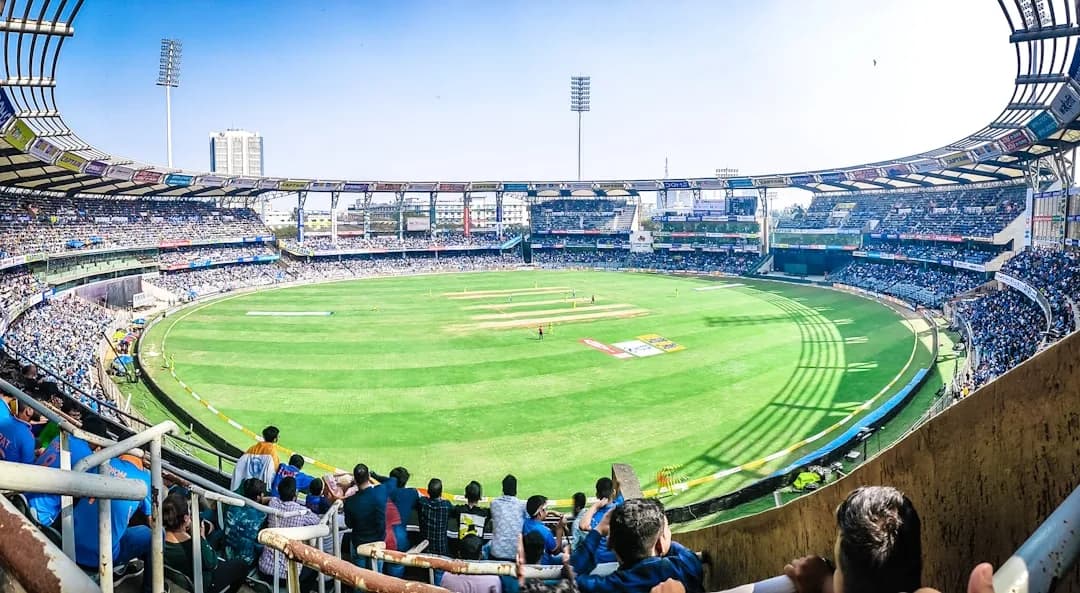
Representative image for illustration
A former test match flare-up in 2026 showed how fast a single clip can spark national debate, and how players now answer pundits on social media.
TL;DR: Social clips and instant commentary have flipped the script between players and the media, this piece rounds up the rules, expert takes and a clear takeaway you can use.
Context on Indian Cricketers Who Took BOLD Stands, the Jaiswal case
Yashasvi Jaiswal hit back at Harsha Bhogle after a Cricbuzz clip suggesting he should have "just walked away" from an on-field clash with Asitha Fernando on Day 1 of the Sri Lanka series in 2026. The exchange played out on Instagram and then in mainstream coverage, with Business Standard noting the ICC has procedures for conduct and may apply fines or demerit points when on-field behaviour crosses lines (Business Standard). Experts now treat this as part of cricket, not a sideshow, and honestly, it makes a difference on and off the field.
Why players push back and the governing rules that matter
The ICC has clear conduct codes and disciplinary rules, and broadcasters have their own editorial standards, both get pulled out whenever a player's actions make headlines. According to Wisden coverage of the incident, Bhogle advised walking away while Jaiswal replied publicly, and analysts including Aakash Chopra were quoted in follow-up pieces (Wisden).
How broadcasters and ethics bodies respond to player pushback
Broadcasters point to their editorial rules, but these days a viral clip ramps up pressure far quicker than the old complaint forms ever did. NDTV reported reactions and named commentators weighing in, showing how the debate becomes a ratings story in 2026 coverage (NDTV). That debate sells copy.
Comparison and a real-world scenario: before and after social clips
Before social clips, a critic's view stayed within a broadcast. After, a 30-second segment can prompt a player reply, a board statement, and repeated headlines the same day. To be fair, officials must balance free speech with disciplinary norms; Bhogle's comment was an opinion, Jaiswal's reply was personal. Coverage of the 2026 India tour shows how quickly this pattern picked up steam, and observers warn that when arguments blow up both players and pundits lose out (LiveMint).
Frequently Asked Questions
Q: Can a player be sanctioned for answering a commentator? A: The ICC code covers player conduct, and boards may cite social-media policies; any sanction must follow procedures, says Business Standard. Q: Can commentators face consequences? A: Broadcasters have editorial guidelines and complaint mechanisms, Wisden notes, and networks can issue clarifications or apologies. Q: Will this change engagement? A: The trend in 2026 shows higher viewer attention to dispute clips, NDTV and LiveMint coverage suggest immediate spikes in coverage and debate.
Actionable takeaway
Fans and boards should push for clearer rules between broadcasters and players, set up quicker complaint paths, and treat viral clips as prompts for a calm review, not instant conviction. Players taking a stand matters, but the system has to cope with the fallout.
1) A close-up photo of Yashasvi Jaiswal gesturing during a Test match, Colombo pitch-side, dramatic evening light, high resolution.
2) A split-screen visual showing a TV pundit in studio speaking and a player replying on a phone, social media icons floating, documentary style.
Backlinks used in sections: https://criclegacy.com/news/why-dhruv-jurel-jai-jawan-jai-kishan-tattoo
Comments (0)
No comments yet. Be the first to share your thoughts!