India’s 1st to 600th Test: Results and History of Every Landmark Match
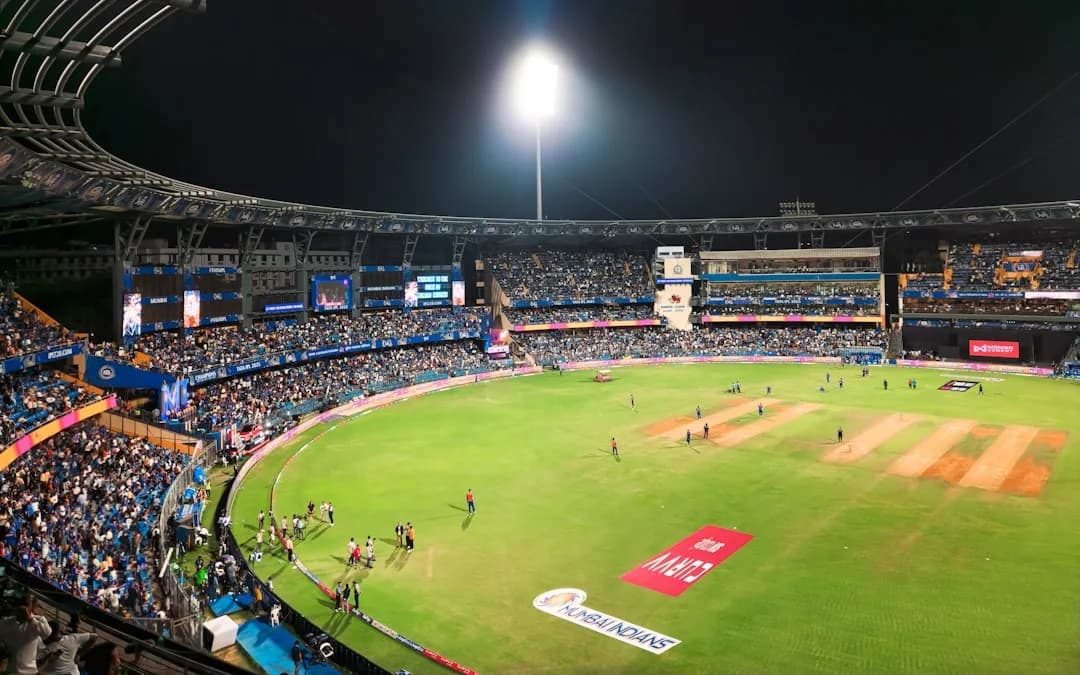
Representative image for illustration
Going from India's 1st Test to its 600th by August 15, 2026 is basically a story about endurance — and that big round number actually maps out how the team changed across eras. Quick version: India started in 1932 and hit Test 600 in Galle on Independence Day 2026. Below you'll find the landmark matches, how the game shifted, why it matters, and a few things you can do with the numbers.
The journey began with C.K. Nayudu leading India in their first Test in 1932, ninety-four years before the 600th mark — a reminder that cricket's timelines are long and layered (Yahoo Sports). I think that starting from a motley team then to a full-time profession now is one of the sport's most remarkable arcs.
How India moved from the 1st Test to the 100th Test (India 1st to 600th Test)
In the early decades there weren't many fixtures, but there were plenty of characters — and by Test 100 India was already settling into regular tours and home series. According to Indian Express, those first 100 matches set patterns of captaincy and selection that shaped future strategy.
Back then a big score really stuck out — fewer Tests meant fewer teammates, fewer performances, and more spotlight on each record.
Here's a short note to break the rhythm.
Mid-century landmarks: 200th to 400th Tests (India 1st to 600th Test)
By Tests 200 and 300 India wasn't just turning out players — it was producing spinners who could win matches and batters who adapted to touring life. Coverage from LiveMint shows how captaincy lists and roles evolved.
Don't buy the idea that nothing changed — pitch prep, fitness work, and how internationals were scheduled all altered the game's shape, as contemporary reports show. I honestly think that seeing those shifts laid out makes the modern game's differences easier to appreciate.
Modern era and the 500th and 600th Tests — what changed
The 500th was mostly about sheer volume. The 600th — played in Galle on August 15, 2026 — felt different: part cricket milestone, part national moment (Outlook India). Media coverage treated it as a milestone event, not just another match (LatestLY).
Fans often expect a straight upward line, but cricket rarely works like that — you see cycles of dominance and rebuilding, and India's win rates and captaincy changes over the years prove it.
A neat wrinkle: Test 600 was in Galle on Independence Day, which gave it extra national meaning and way more media attention than a typical fixture.
Frequently Asked Questions
Q: When was India’s first Test? A: India's first Test was in 1932 under C.K. Nayudu, cited by Yahoo Sports. It set the template for future tours.
Q: Why is the 600th Test significant? A: It marks volume and longevity; the 600th was played on August 15, 2026 in Galle and got wide coverage from Outlook India and LatestLY.
Q: Were milestone Tests treated differently? A: Yes, milestone Tests often get extra scheduling or ceremonial notes — the 600th coincided with Independence Day, making it symbolic beyond sport (Indian Express).
One last practical tip: actually use the data. If you track Test trends, start a simple spreadsheet: log milestone Test number, date, opponent, captain, and result — then chart win rates by decade; you'll spot cycles fast. Honestly, if you ask me, that simple habit turns anecdotes into evidence.
Comments (0)
No comments yet. Be the first to share your thoughts!