How Cricket is Played: A Complete Guide to the Sport
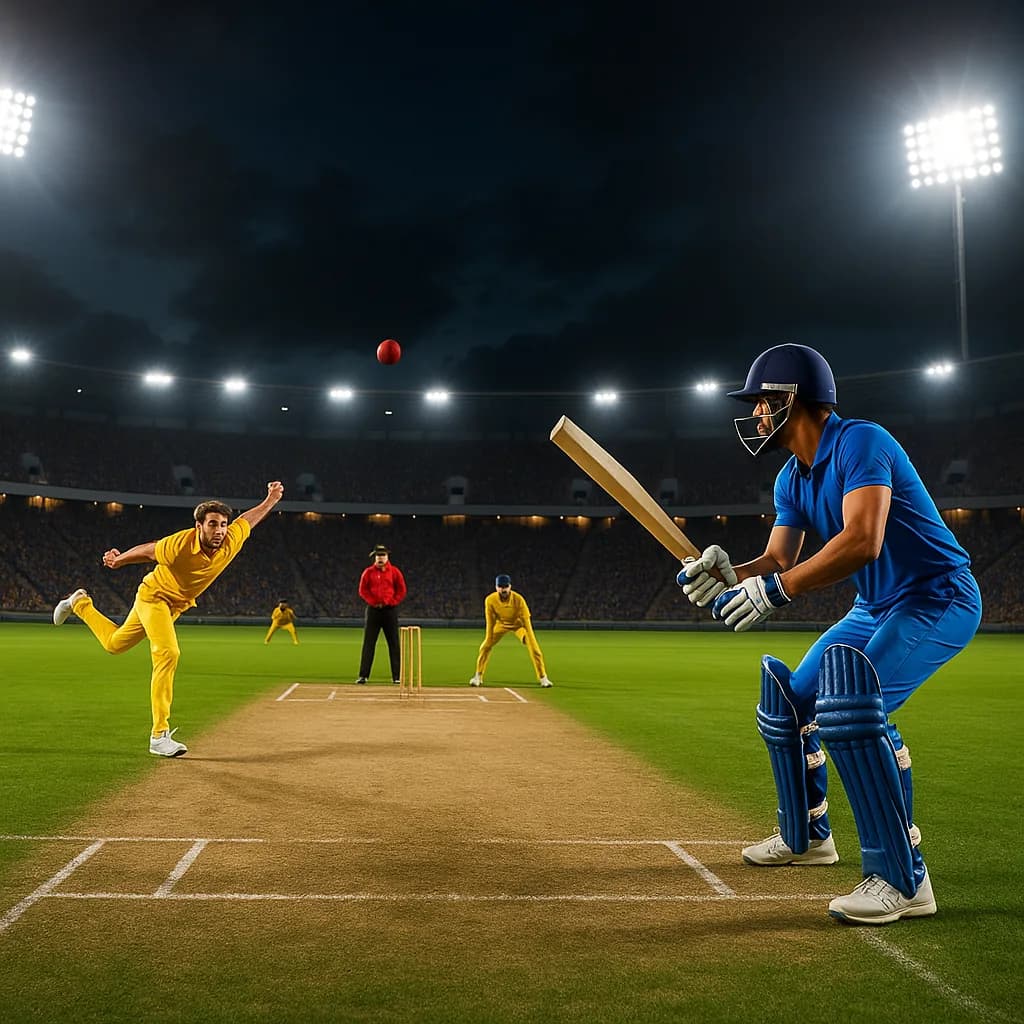
Representative image for illustration
Imagine standing on a lush green field, tension building as a bowler hurtles a hard leather ball toward a batsman gripping his bat tight. The bowler charges, the ball flies, and the batsman swings, sending the ball racing towards the boundary. This split-second showdown is what cricket boils down to, yet the game itself is anything but simple. If you’ve ever wondered how cricket is played, you’re about to discover the layers behind one of the world’s most beloved sports. Here’s a quick TL;DR: Cricket is a bat-and-ball game where two teams try to outscore each other by running between wickets and strategically defending or attacking over multiple overs.
The Basics of How Cricket is Played
At its core, cricket is played between two teams, each consisting of eleven players. The game unfolds on an oval field with a rectangular 22-yard-long pitch at the center. Two batsmen stand at either end of the pitch, while bowlers from the opposing team deliver balls in overs—a set of six legal deliveries. The goal is pretty straightforward: rack up runs while the bowling team does everything they can to get the batsmen out.
Runs are scored when the batsmen run between the wickets or when the ball reaches the boundary. Simple? The truth is, there's lots more nuance hidden under those rules. For example, the fielding team’s strategy in setting fielders deeply or close to the batsman changes the entire match tempo. The International Cricket Council (ICC) outlines these fundamental rules governing gameplay, ball delivery, and dismissals source.
Understanding Cricket Formats and Match Types
At first, cricket’s many formats can really trip you up. To be fair, the game is played in formats ranging from five-day Test matches to 20-over T20 games. Test cricket is the longest form, demanding patience and stamina where "how cricket is played" stretches into multiple sessions over several days. One famous example is the long-standing rivalry between England and Australia, which produces some of the sport’s most iconic moments source.
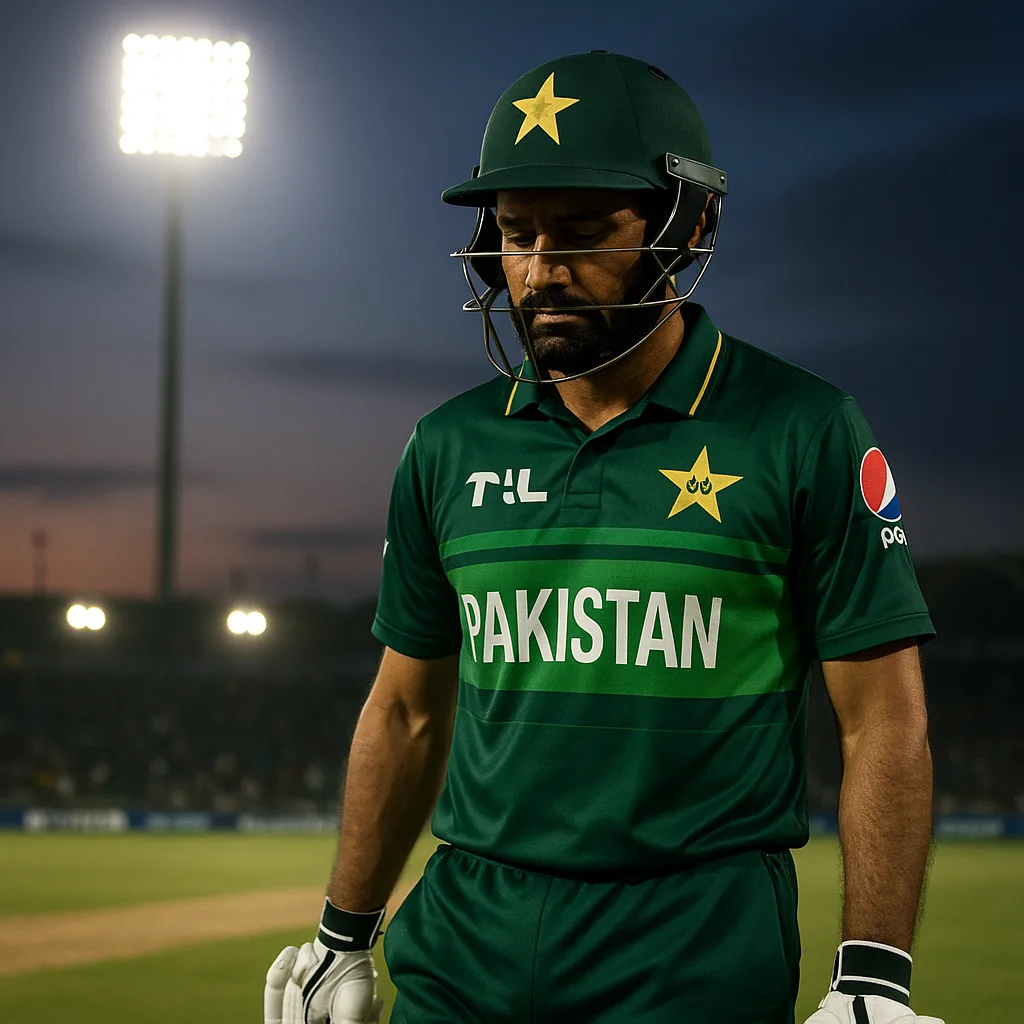
On the flip side, the Indian Premier League (IPL) delivers fast-paced drama where players like Mohammad Amir, now a British citizen playing for Trent Rockets, exemplify cricket’s global reach in shorter formats source. The format changes everything — how you score, set your field, and come up with strategies shifts depending on the game type.
Key Players and Their Roles in Cricket
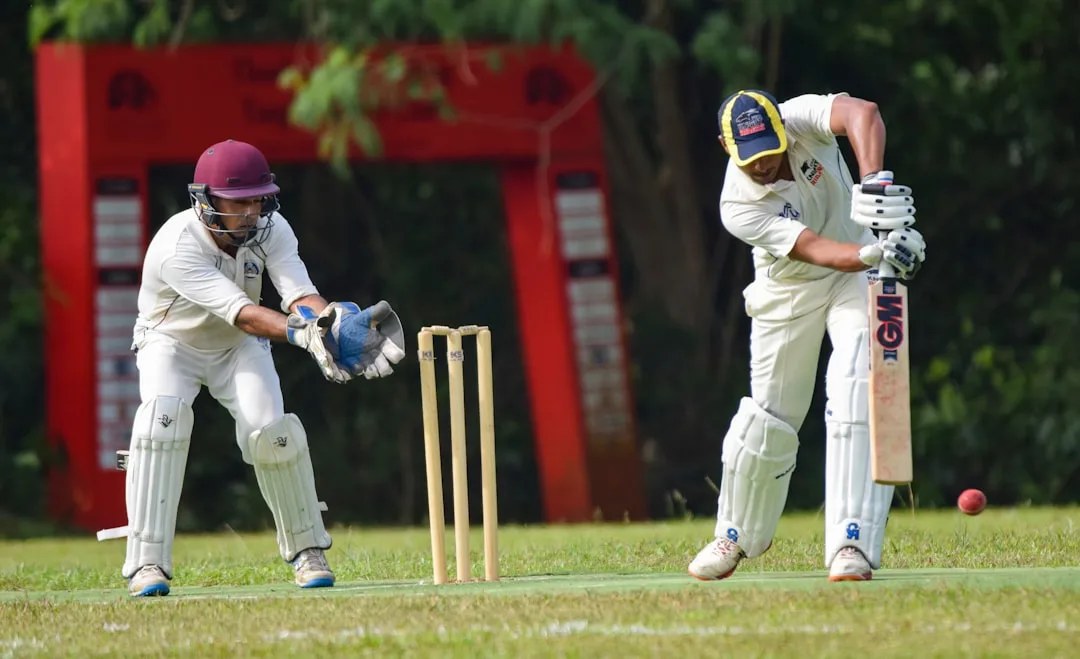
I think understanding the roles on the field is crucial. Batsmen defend their wicket and look to score runs. Bowlers aim to deceive and dismiss batsmen, employing variations in speed and spin. Then there’s the wicketkeeper, a specialist who stands behind the striker to catch balls and effect run-out stumping. Fielders support the bowlers by covering areas and preventing runs.
The captain plays a strategic role, setting fields and making critical decisions like when to declare an innings. Former legend Garry Sobers once said it’s about instinct and flair, which shows you how much artistry is involved beyond raw skill source. This balance of roles is what keeps cricket endlessly fascinating.
Scoring Runs and Winning the Game
So how do you actually win? Runs are obviously the currency of cricket. You get them by running between wickets or hitting boundaries—four runs if the ball bounces before crossing the boundary, six if it flies over without bouncing. Dismissals include being bowled, caught, run out, or leg before wicket (LBW).
The team that scores the most runs wins, but the path can be complicated by weather delays and other interruptions. Think about the famous 2026 match at Lord's where rain restricted play to just 9.4 overs — a frustrating scenario for everyone involved that profoundly affects how cricket is played source.
The problem is many people assume cricket is just a slow, boring game of endless waiting. That’s wrong. The World Cricketers’ Association recently raised concerns about changing the World Cup format, showing how even established bodies are trying to keep the game exciting and fair source.
Common Misconceptions About Cricket
One of the biggest myths? That cricket is only popular in a few countries. Actually, it’s played worldwide, including a growing scene in the US, despite challenges highlighted by corruption scandals—like when US player Bodugum Akhilesh Reddy was banned eight years for corruption offenses during the Abu Dhabi T10 competition source. This shows cricket's global footprint is expanding but not without bumps.
The idea cricket is always boring is also just plain wrong. Depending on the format and pace, it can be a thrilling rollercoaster of skill, tension, and drama. Honestly, if you haven't watched a T20 game live, you’re missing a spectacle of athleticism and strategy zipped into three hours.
Frequently Asked Questions
What equipment is needed to play cricket? You need a bat, a ball, wickets (stumps and bails), protective gear like pads and helmets, and a suitable field. Depending on the level of play, some gear is mandatory for safety.
How long does a cricket match last? It varies. Test matches last up to five days, One Day Internationals (ODIs) last about eight hours, and Twenty20 (T20) matches are around three hours. The format impacts time dramatically.
What is an over in cricket? An over consists of six legal deliveries bowled by one player. After each over, the bowling switches ends and to a different bowler.
Getting the hang of how cricket is played means appreciating its unique pace and strategy. Whether you watch a classic Test match or a quick T20 game, it’s the duel of bat versus ball that gives cricket its charm. Try catching a live match or streaming games—like those featured regularly on Radio Times—and you’ll see what I mean source. No sport demands such a mix of patience, skill, and split-second decisions.
Comments (0)
No comments yet. Be the first to share your thoughts!