FIR Threat Against RR Over Vaibhav Sooryavanshi IPL Role
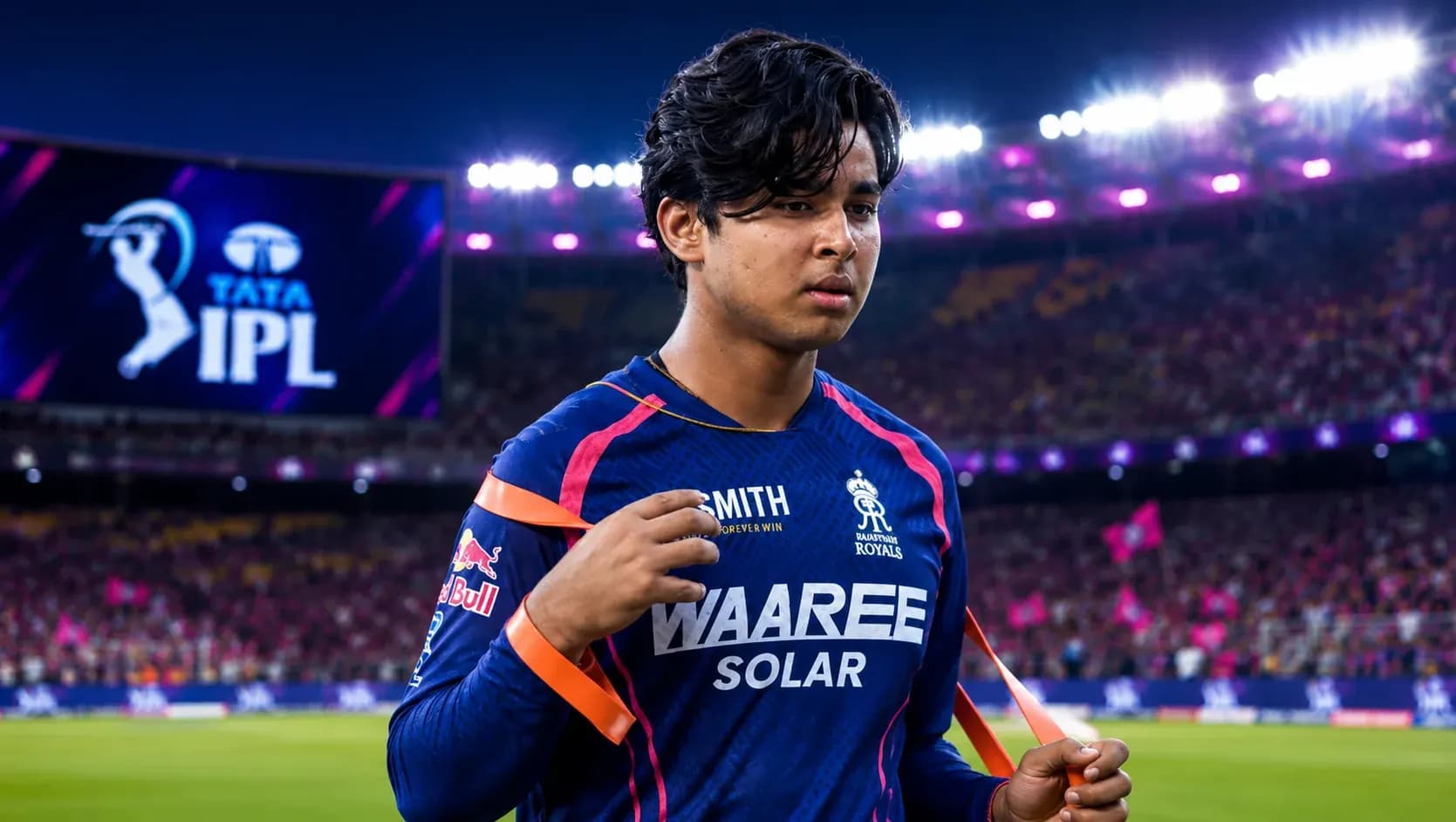
Representative image for illustration
Rajasthan Royals are in hot water. The FIR threat against RR isn bt just headline-grabbing drama — it’s a real legal challenge that questions the ethics of having 15-year-old Vaibhav Sooryavanshi play in the IPL. Honestly, it’s a tricky spot where passion for cricket clashes with child labour laws in India.
Vaibhav Sooryavanshi’s entry into IPL 2026 raised eyebrows almost as quickly as his bat hit runs. At just 15, he’s one of the youngest players ever featured in such a high-profile tournament. But that’s not all; a social activist moved to file an FIR against Rajasthan Royals, accusing the franchise of exploiting Vaibhav and violating child labour regulations. This FIR threat against RR took the IPL world by storm and has triggered a nationwide debate.
Why Is Vaibhav Sooryavanshi’s Participation Controversial?
The controversy springs from India’s strict child labour laws, which aim to protect minors from hazardous work— and some argue that professional sports fall under this category. Fans see Vaibhav as a prodigy, a once-in-a-generation talent thrust into the big league early. But critics ask, is this sporting dream turning into a child labour case?
You could compare it to a kid being pushed too hard to perform in exams at a young age — the pressure and scrutiny might be more than his age can handle. this legal grey area hasn’t been properly addressed before in cricket. And IPL, with its mega money and crowd frenzy, has never had to handle a teenage star this young.
Legal and Ethical Dimensions: Child Labour or Talent Launch?
The argument isn’t black-and-white. Child labour laws were designed to prevent minors from working in conditions harmful to their health and development. But playing professional cricket can sometimes mean hours of training, travel, and media pressure — which some see as exploitative.
However, it’s equally important to note that talented youngsters have always entered professional sports early. Sachin Tendulkar debuted for India at 16. So neither the law nor ethics have a simple answer. The FIR threat against RR highlights this tension— between protecting children and recognizing genuine talent.
It’s also about how well the franchise supports the player. Is Vaibhav getting proper education along with cricket training? Are his health and mental well-being monitored? I think organisations sometimes overlook these softer aspects in the rush for glory. That’s often the real mistake.
How Rajasthan Royals and IPL Are Responding
RR hasn’t taken the FIR threat lightly. Their management insists that Vaibhav’s participation is fully legal and within the rules set by the IPL and the BCCI. They claim the teenager is receiving adequate education and care. You could say it’s kind of like a balancing act — wanting to showcase young talent without crossing legal boundaries.
The IPL governing body hasn’t made a formal statement yet, which adds to the uncertainty. But as the league progresses, this controversy will probably keep growing, especially with more youngsters emerging every season.
Look at Riyan Parag’s vaping incident last year — another example where youth and cricket’s high stakes clashed publicly . IPL’s responsibility to protect its players extends beyond just playing rules — it’s about overall welfare.
The FIR threat against RR isn’t just a headline; it’s a wake-up call. Sports bodies need clear guidelines that separate healthy talent promotion from exploitation. Until then, debates like these will keep hitting the headlines.
Practical Takeaway for Fans and Cricket Stakeholders
If you’re a cricket fan, you might wonder: How should you feel about Vaibhav’s situation? My take — enjoy the cricket, sure. But don’t ignore the bigger picture. This isn’t just about runs and wickets. It’s about protecting young athletes from burnout or pressure.
For franchises and organizers, it means establishing transparent policies for young players. Regular health check-ups, backing education, and psychological counseling can make a huge difference. Treat young players like teenagers, not just cricket machines.
And if you’re someone following this FIR threat against RR closely, remember that sometimes legal battles take time but spark positive changes. So keep an eye out on this one — it’s shaping how cricket handles youth talent.
For a deeper look into Vaibhav Sooryavanshi’s recent comeback and his IPL impact, check out this piece.
Frequently Asked Questions
Q: Why is Vaibhav Sooryavanshi’s IPL debut seen as a child labour issue?
A: Because India’s child labour laws restrict minors from working in potentially harmful environments. Critics argue professional cricket, with its demands, might qualify. However, supporters say it’s a special case of nurturing talent.
Q: How old must a player be to enter the IPL?
A: The IPL doesn’t have a strict official minimum age limit, but generally players are adults or near 18. Vaibhav, being just 15, is unusually young which fuels controversy.
Q: What can IPL franchises do to protect young players?
A: They should ensure kids get education, psychological support, and proper rest. Balancing sport and growth is key — treating them not just as players but as teenagers with special needs.
Get the latest IPL 2026 updates, including match previews, team news, points table, and live results. Check the complete IPL 2026 Match Schedule with fixtures, venues, and timings on CricLegacy. For more cricket updates you can also download the CricLegacy Cricket App.
Comments (0)
No comments yet. Be the first to share your thoughts!